
Central AC
Central air conditioning systems are a significant upgrade for any home, offering a range of benefits that extend far beyond merely keeping your space cool. They improve the overall comfort of your living environment, enhance air quality, and can even increase the value of your property. When considering the installation of a central air conditioning system, it's essential to understand the different types available and the unique advantages they offer.
Benefits of Central Air Conditioning Systems
1. Improved Comfort:
Central air conditioning systems distribute cool air evenly throughout every room, eliminating hot spots and ensuring a consistent temperature.
2. Enhanced Air Quality:
These systems filter the air as it circulates, removing dust, pet dander, and other pollutants, which is especially beneficial for people with allergies or respiratory issues.
3. Increased Property Value:
Homes with central air conditioning are more attractive to buyers, often resulting in a higher resale value.
4. Convenience and Ease of Use:
With programmable thermostats and smart home compatibility, central air systems offer unparalleled convenience, allowing you to easily control your home's temperature.
5. Energy Efficiency:
Modern central air conditioning units are designed with energy efficiency in mind, potentially reducing your energy bills and minimizing your carbon footprint.
Types of Central Air Conditioning Systems
1. Split Systems:
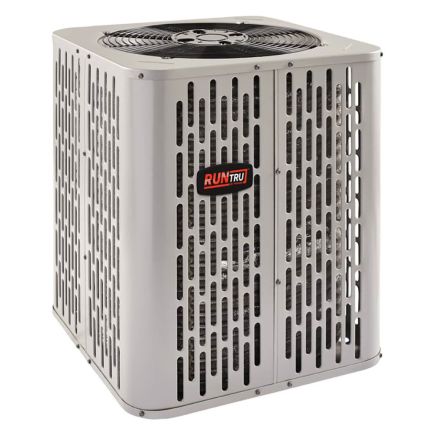
The most common type, split systems have an outdoor unit (containing the compressor and condenser) and an indoor unit (usually connected to a furnace or air handler). This type is ideal for homes with a pre-existing furnace but no air conditioning.
2. Heat Pumps:
Heat pumps function as both heaters and air conditioners, making them an excellent choice for climates with mild winters. They transfer heat outside in the summer and inside in the winter, offering efficient year-round comfort.
3. Packaged Central Air Conditioners:
These units combine the compressor, condenser, and evaporator into a single unit, which is usually placed on a roof or on a concrete slab near the foundation. This type is typically used in small commercial buildings or homes without adequate space for split systems.
4. Ductless Mini-Split Systems:
deal for homes without ductwork, these systems consist of an outdoor compressor unit and one or more indoor air handling units, connected by a conduit. They offer the advantage of individual room control and are more energy-efficient than traditional systems.
When selecting a central air conditioning system, it's crucial to consider your home's size, climate, existing HVAC systems, and budget.
Consulting with a professional HVAC contractor can help you determine the best type of system for your needs, ensuring you enjoy the many benefits of central air conditioning for years to come.
Key Factors in Choosing the Right Central AC System
Understanding SEER2 Ratings
Central air conditioners are rated by SEER2 (Seasonal Energy Efficiency Ratio 2), which measures how much cooling output a system delivers per unit of electricity consumed over a typical cooling season. Higher SEER2 ratings mean lower operating costs, though they typically come with a higher upfront equipment price. Current federal minimum efficiency standards set a baseline, but many homeowners find that investing in a higher-SEER2 system pays for itself over time through reduced summer electric bills — particularly relevant in the Chicago area, where cooling seasons can bring extended stretches of high humidity and heat.
Why Correct Sizing Matters More Than Bigger Capacity
A common misconception is that a larger AC unit will cool a home better or faster. In reality, an oversized system cools the space quickly but shuts off before adequately removing humidity, leaving the home feeling cool but clammy, while also short-cycling in a way that increases wear on the compressor. An undersized system runs constantly and still struggles to keep up on the hottest days. Proper sizing depends on a detailed load calculation — factoring in your home's square footage, insulation, window placement and orientation, ceiling height, and local climate data — not just a rule-of-thumb based on your home's size alone.
Single-Stage, Two-Stage, and Variable-Speed Compressors
- Single-stage — operates at full capacity or off; the most economical option but offers less precise temperature and humidity control
- Two-stage — can run at a lower capacity for milder days and full capacity during peak heat, improving comfort and efficiency over single-stage systems
- Variable-speed — continuously modulates output to closely match cooling demand, offering the most consistent temperatures, best humidity control, and quietest operation (see our Trane XV18 and American Standard AccuComfort Platinum heat pump systems, which use this same variable-speed approach)
Signs Your Central AC Needs Repair or Replacement
- Rising energy bills despite consistent usage patterns
- Uneven cooling between rooms or floors
- Frequent repairs or a system older than 12–15 years
- Excessive humidity indoors even with the AC running
- Unusual noises, or the system struggling to keep up on hot days
Split System vs. Heat Pump: A Practical Distinction for This Climate
While the page above outlines heat pumps as a general category, it's worth noting that in colder climates like Illinois, heat pumps are increasingly paired with a gas furnace as a backup (a hybrid/dual-fuel setup) rather than serving as the sole heat source — giving homeowners heat pump efficiency during milder weather while retaining reliable furnace heat for the coldest winter days. A traditional split system AC, by contrast, only cools and relies entirely on a separate furnace for heating.
Complementary Systems Worth Considering
A central AC system works best as part of a coordinated comfort strategy. Depending on your home's needs, you might also consider:
- A smart thermostat for precise, room-aware temperature control
- A whole-house dehumidifier to manage humidity independently of your AC's cooling cycles
- Zoning control systems if different areas of your home have different cooling needs
Professional Installation and Sizing Assessment
Because correct sizing, refrigerant charge, and ductwork compatibility all directly affect a central AC system's performance and lifespan, professional installation is essential. Our licensed HVAC technicians will:
- Perform a detailed load calculation specific to your home
- Recommend the appropriate system type, tonnage, and efficiency tier for your budget and comfort goals
- Verify existing ductwork can support the new system's airflow requirements
- Complete installation, refrigerant charging, and startup commissioning
- Walk through thermostat setup and maintenance recommendations
Frequently Asked Questions
How long does a central AC system typically last?
With regular maintenance, most systems last 12–15 years, though this varies based on usage, climate, and how consistently the system is serviced.
Should I replace my AC and furnace at the same time?
Not necessarily, but replacing mismatched equipment together can improve overall efficiency and simplify future service; our technicians can advise based on your existing furnace's age and condition.
What size AC unit do I need for my home?
Sizing depends on more than square footage alone — insulation, window exposure, ceiling height, and local climate all factor in; a professional load calculation is the only reliable way to determine correct sizing.
Expert Central Air Conditioning Installation, Repair & 24/7 Emergency Service
When summer temperatures spike in Chicagoland, a reliable, high-efficiency central air conditioning system is essential to keeping your home cool, comfortable, and energy-efficient. Whether you need an emergency AC repair during a heatwave, routine seasonal tune-ups, or a complete system replacement with a modern SEER2-rated condenser and matching evaporator coil, our certified HVAC specialists deliver prompt, professional results. We service all major central AC brands and models, utilizing advanced diagnostic tools to restore your system's peak performance quickly and affordably. Call our expert cooling technicians today at (224) 754-1984 for fast service, transparent estimates, or professional equipment replacement:
24/7 Emergency AC Repairs: Rapid-response troubleshooting and repairs for refrigerant leaks, compressor failures, electrical issues, and frozen coils.
High-Efficiency System Replacements: Expert installation of modern, energy-saving central air conditioners designed to lower monthly utility bills.
Precise Load Calculation & Sizing: Ensuring your new AC unit is perfectly matched to your home's square footage and ductwork capacity for optimal comfort.
Comprehensive Preventative Maintenance: Seasonal tune-ups and multi-point inspections to extend equipment lifespan and prevent costly mid-summer breakdowns.
Ductwork Integration & Balancing: Optimizing airflow across all rooms to eliminate hot spots and ensure even cooling throughout your living spaces.
Central Air Conditioning Services & Performance Standards
Professional cooling solutions tailored for residential homes, townhomes, and condominiums:
Service Category Feature & Specification Details Operational Advantage Emergency AC Repair 24/7 Dispatch for non-cooling units, strange noises, or electrical faults Restores indoor comfort rapidly when you need it most. System Replacement Modern SEER2-rated central condensers & matching coils Dramatically improves energy efficiency and cooling reliability. Refrigerant Diagnostics Leak detection, pressure testing, and R-410A / eco-friendly re-charging Ensures proper cooling capacity and protects compressor health. Preventative Tune-Ups Coil cleaning, electrical check, and blower motor lubrication Prevents unexpected breakdowns and lowers summer electric bills. Thermostat Integration Smart Wi-Fi thermostat wiring and scheduling setup Gives you remote temperature control and energy tracking from your phone. Duct Inspection Sealed connections and airflow balancing Maximizes cooling delivery efficiency across every room.
Key Benefits of Professional Central Air Conditioning Service
Partnering with certified HVAC professionals for your cooling needs delivers immediate practical and financial rewards:
Maximum Energy Efficiency: Well-maintained and properly sized AC units consume significantly less electricity, reducing your summer utility bills.
Extended Equipment Lifespan: Routine tune-ups and prompt minor repairs prevent premature system burnout and costly major overhauls.
Consistent Indoor Comfort: Eliminates uneven temperatures, humidity issues, and stale airflow across different floors of your home.
Reliable Peak Performance: Peace of mind knowing your central AC system won't fail when a heatwave hits Chicagoland.
Our Step-by-Step Central AC Service Process
Initial Diagnostic & Consultation: Inspecting your current AC unit, evaluating cooling performance, and discussing repair vs. replacement options.
Transparent Upfront Pricing: Providing a clear, detailed estimate with no hidden fees before any repair or installation work begins.
Expert Execution & Installation: Safely replacing components, handling refrigerant according to EPA standards, or installing new condenser and coil equipment.
System Calibration & Airflow Testing: Testing electrical draws, measuring temperature drops, and verifying refrigerant pressures for peak operation.
Cleanup & Home Protection: Leaving your workspace spotless and reviewing proper thermostat operation and maintenance tips with you.
Frequently Asked Questions: Central Air Conditioning
Q: How often should I service my central air conditioning system?
A: We recommend scheduling a professional preventative maintenance tune-up once a year (ideally in the spring before the cooling season starts) to ensure peak efficiency and catch minor issues early.
Q: Should I repair my old AC unit or replace it entirely?
A: As a general rule of thumb, if your system is over 10–12 years old, uses outdated refrigerant, or requires an expensive repair (like a failed compressor), investing in a modern, energy-efficient replacement is usually more cost-effective.
Q: Why is my central AC running constantly but not cooling the house?
A: This is often caused by a dirty air filter, restricted airflow, iced-over evaporator coils, or a refrigerant leak. Turn off the system to prevent compressor damage and call our technicians for a diagnostic check.
Q: Do you offer emergency AC repair services?
A: Yes. We provide prompt 24/7 emergency air conditioning repair services across Chicagoland to get your home cool and comfortable as quickly as possible.
With multiple locations throughout North Shore and Northwest suburbs of Chicago, Illinois, Emergency Plumbing offers promt and professional plumbing services.
Are you looking for a reliable plumber near me in the Arlington Heights, Bannockburn, Barrington, or surrounding areas?
Our local plumbing company offers expert services, catering to all your needs. Whether you're in the heart of Buffalo Grove, the serene streets of Deerfield, or require an emergency plumber in Des Plaines or Elk Grove Village, we are here to help. Our plumbing contractors are well-versed in the unique plumbing systems of Glencoe, Glenview, Hawthorn Woods, and Highland Park.
For those in Highwood, Hoffman Estates, or the quaint town of India Creek, our team guarantees prompt and efficient service.
Residents of Inverness, Kildeer, Lake Bluff, Lake Forest, and Lake Zurich can also rely on our expertise. We extend our services to Long Grove, Mettawa, Lincolnshire, Mount Prospect, Mundelein, Northbrook, and Palatine.
Need a plumber in Prospect Heights, Ravinia, RiverWoods, Rolling Meadows, Vernon Hills, Wauconda, Wheeling, Wilmette, or Winnetka? Look no further! As a trusted plumbing contractor, we ensure that your plumbing issues are solved quickly and efficiently, keeping your home or business running smoothly.