

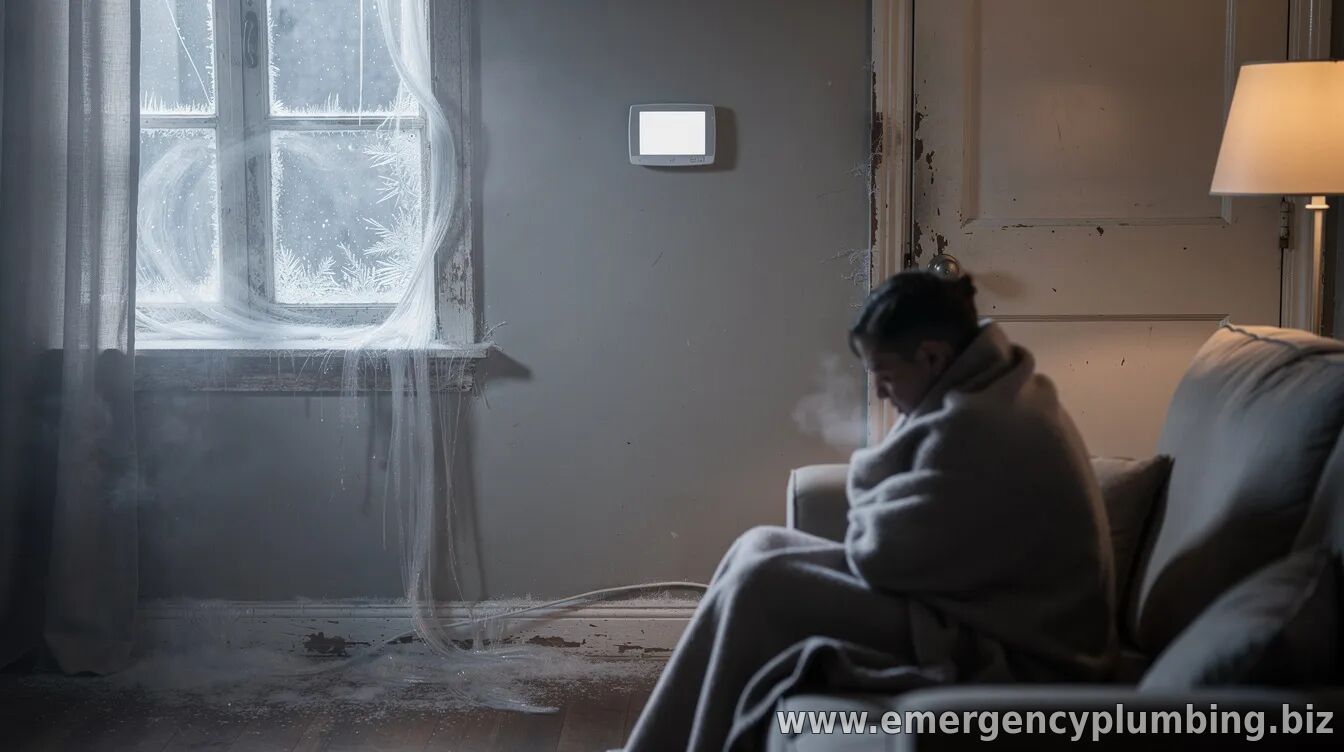
A thermostat reading of 70°F doesn’t always mean every room feels 70°F. Comfort depends on how heat moves through your house, where the thermostat is located, and how quickly rooms lose warmth. When your home feels cold while the HVAC system appears to be maintaining the setpoint, the problem is typically one of these factors: uneven temperatures, airflow issues, heat loss, or thermostat miscalibration.
1) The thermostat may be measuring the “wrong” spot
Many thermostats sit in areas that don’t represent the average temperature of the home—such as near a hallway door, in direct sunlight, by a window, above a vent, or on an exterior wall. In those cases, the thermostat can reach 70°F while the rooms you occupy are still cooler. If you notice the coldest areas are consistent (for example, bedrooms or rooms on one side of the house), this can point to placement and zoning issues ... Read more »