

While it is technically possible for a homeowner to clean a sump pump pit themselves, there are several reasons why it may be beneficial to call a plumber for this task:
1. Expertise and Experience: Plumbers have the knowledge, skills, and experience to properly clean and maintain sump pump pits. They are trained in identifying potential issues, ensuring proper drainage, and maintaining the overall functionality of the sump pump system.
2. Safety: Cleaning a sump pump pit can involve working in a potentially hazardous environment with standing water, debris, and electrical components. Plumbers are equipped with the necessary safety gear and precautions to minimize the risks associated with working in these conditions.
3. Thorough Cleaning and Maintenance: Plumbers have the necessary tools and equipment to thoroughly clean and maintain the sump pump pit. They can remove any accumulated sediment, debris, or clogs that may impede the pump's performance. They can also inspect the float switch, check valves, and other components for proper operation.
4. Preventative Maintenance: Regular cleaning and maintenance of the sump pump pit can help prevent issues such as clogs, pump failure, and flooding. Plumbers can provide guidance on how often cleaning should be done and offer additional preventive measures to ensure the longevity and efficiency of the sump pump system.
5. Warranty Considerations: If your sump pump is still under warranty, attempting to clean it yourself may void the warranty. Hiring a professional plumber ensures that the cleaning is done correctly and does not invalidate any warranties.
By calling a plumber to clean your sump pump pit, you can have peace of mind knowing that the task is being handled by a trained professional who can help confirm the pump and related components are working as intended. During a proper cleaning, they can remove built-up debris and sediment that may restrict movement or interfere with normal operation. With the right attention to the pit and surrounding hardware, you reduce the risk of unexpected clogs, unusual noises, or premature wear. That means your sump pump system is more likely to operate reliably when you need it most, while also supporting better long-term performance and longevity.
HOW OFTEN SHOULD YOUR SUMP PUMP PIT BE CLEANED?
Most homes benefit from annual sump pit cleaning, ideally performed before the spring rainy season when your pump will see the heaviest use. Homes with any of the following may need more frequent cleaning:
- Higher groundwater infiltration or a history of sediment/silt entering the pit
- A pump that's been running more frequently than usual
- Visible debris, oil residue, or unusual odor near the pit
- A pump that's older or has a history of clogging issues
WHAT'S ACTUALLY HAPPENING INSIDE AN UNCLEANED SUMP PIT
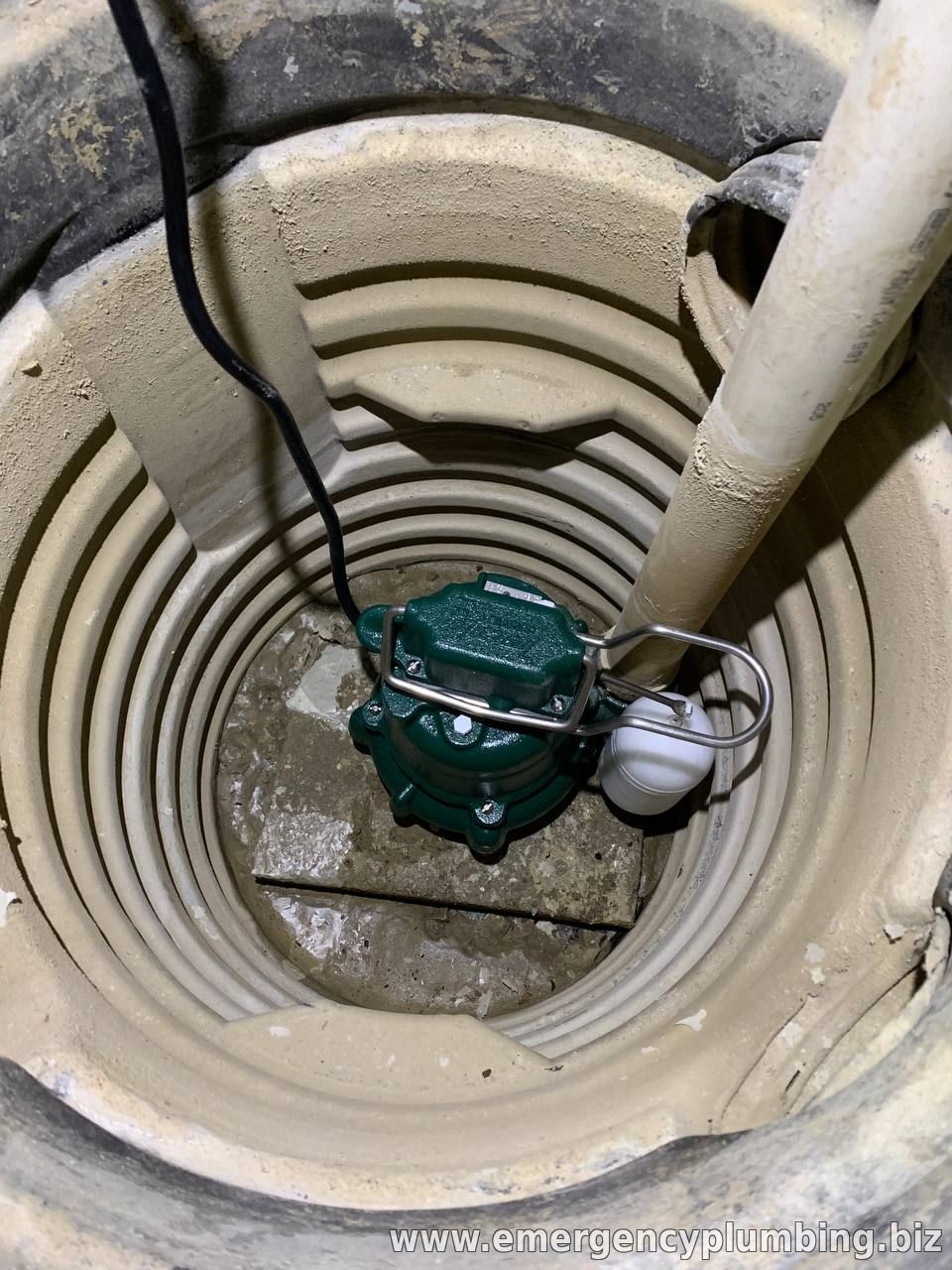
Over time, sediment, small debris, and even iron bacteria can accumulate at the bottom of the sump pit. This buildup:
- Restricts float switch movement, which can cause the pump to fail to activate properly, run continuously, or short-cycle
- Clogs the pump's intake, reducing pumping efficiency and forcing the motor to work harder — accelerating wear and shortening the pump's lifespan
- Creates odors as organic material breaks down in the standing water
- Can coat the impeller with mineral deposits or debris over time, further reducing performance
WHAT'S INCLUDED IN A PROFESSIONAL SUMP PIT CLEANING
A thorough cleaning typically involves:
- Removing the pump and inspecting all components (float switch, check valve, discharge line) for wear
- Removing accumulated sediment, debris, and standing residue from the pit itself
- Cleaning the pump's intake screen and impeller area
- Testing the pump's activation and cycling after reassembly
- Checking the pit lid/cover for a proper seal, which helps prevent radon gas and odors from entering your basement
SUMP PIT CLEANING VS. FULL SYSTEM MAINTENANCE
Pit cleaning addresses sediment and debris buildup specifically, but it's worth pairing with a broader system check — including testing your battery backup, verifying discharge line function, and confirming the check valve is preventing backflow — for complete confidence your system is ready for the next storm.
Frequently Asked Questions
How much does professional sump pit cleaning typically cost?
Pricing depends on pit accessibility and the extent of debris buildup — contact our team for a specific estimate, or ask about bundling pit cleaning with a full sump pump inspection for better overall value.
Can dirty sump pit water actually damage my pump?
Yes — sediment and debris can clog the intake and coat the impeller, reducing pumping efficiency and accelerating wear on the motor over time, which is why regular cleaning is a genuine preventative maintenance step, not just a cosmetic one.
Will cleaning my sump pit void my pump's warranty if I do it myself?
This depends on your specific manufacturer's warranty terms — some warranties require professional service to remain valid, so it's worth checking your documentation or asking our team before attempting DIY cleaning on a newer pump.
Why Regular Sump Pump Pit Cleaning & Maintenance Matters
Over time, silt, sand, mud, gravel, and iron bacteria accumulate at the bottom of your basement sump pit. This buildup gets sucked into your pump's mechanical intake, clogging impellers and locking float switches right when heavy rains hit. Call our flood prevention plumbers at (224) 754-1984 to clean and restore your sump system if you experience any of these red flags:
Sludge & Sediment Accumulation: Thick mud or gravel lining the basin floor, restricting pump intake grates and shortening motor life.
Stuck or Trapped Float Switch: Debris, mineral scale, or mud interfering with free vertical or tethered switch movement.
Foul, Stagnant Water Odors: Stagnant groundwater mixed with organic matter causing severe musty or sewage-like smells in your basement.
Mustard-Colored Slime (Iron Bacteria): Rust-colored gelatinous buildup produced by iron bacteria that rapidly clogs check valves and discharge lines.
Excessive Vibration or Loud Noises: Small rocks or hard debris lodged inside the pump impeller casing, causing motor imbalance.
Frequent Short-Cycling: Accumulated mud reducing effective pit water depth, triggering the pump to cycle on and off constantly.
Sump Pump Pit Maintenance vs. Mechanical Repairs
Routine cleaning keeps your existing pump operating at peak flow capacity while identifying wear before disaster strikes:
Maintenance Task What We Clean & Inspect System Protection Benefit Basin De-Silting & Mucking Vacuuming and manually extracting heavy sediment, rocks, silt, and mineral sludge from the basin bottom. Prevents foreign objects from jamming pump impellers and burning out the motor. Pump Intake & Volute Flushing Clearing intake screens, weep holes, and internal volute channels of mud and mineral scale. Restores maximum gallons-per-minute (GPM) discharge capacity during heavy storms. Float Switch & Arm Servicing Removing slime and scale buildup from float rods, cords, and magnetic microswitches. Guarantees reliable automatic pump turn-on and shut-off activation every cycle. Check Valve & Line Inspection Flushing check valve flappers and testing weep hole airlock clearance. Eliminates silent valve failures, water hammer thumps, and dangerous airlock conditions.
Professional Sump Pit Cleaning Equipment & Solutions
We utilize heavy-duty equipment and safe eco-friendly cleaning agents to fully restore your basement drainage pit:
High-Capacity Industrial Wet-Vacs: Powerful extraction equipment designed to remove gallons of stagnant water, thick sludge, and loose gravel safely.
Iron Ochre & Mineral Scale Treatment: Specialized non-corrosive flushing solutions that dissolve stubborn orange rust slime and hard water mineral crust.
Elevated Pump Paver Base Installation: Setting your pump elevated on a solid, non-porous masonry block above the pit floor to eliminate future mud intake.
Basin Deodorization & Sanitization: Applying eco-safe antibacterial washes to neutralize lingering basement odors and prevent mold spore growth inside the pit.
Our Comprehensive 6-Step Sump Pit Cleaning Process
Electrical Safety Lockout: Disconnecting main AC power and battery backup power sources to ensure complete electrical safety during extraction.
Pump Removal & Inspection: Pulling the pump motor out of the basin to inspect cord integrity, casing cracks, and intake grate blockages.
Sludge & Debris Extraction: Vacuuming out all standing water, heavy mud, sand, and gravel from the pit bottom down to bare concrete or gravel lining.
Deep Cleaning & Impeller Flushing: Scrubbing the pump housing, clearing the anti-airlock weep hole, and flushing clear water through the impeller assembly.
Elevated Re-Installation: Setting the pump back into the clean pit on an elevated base brick and reconnecting heavy-duty discharge unions.
System Water Fill Test: Refilling the pit with clean water, powering up primary and battery backup systems, and verifying smooth automatic switch activation and quiet discharge flow.
Frequently Asked Questions: Sump Pump Pit Cleaning
Q: How often should a basement sump pump pit be cleaned in Illinois?
A: We recommend professional sump pit cleaning at least once a year — ideally in early spring before heavy seasonal rains and snowmelt hit Chicagoland. Homes in areas with high water tables or heavy silt clay soil may require bi-annual cleaning.
Q: Why does my sump pit smell like rotten eggs or musty mildew?
A: Stagnant groundwater resting in the pit combined with decaying organic debris, bacteria, or dry P-traps leads to bad smells. Professional pit cleaning and sanitizing removes the organic buildup causing these odors.
Q: Can dirty water in the sump pit ruin my sump pump?
A: Yes. Small rocks and heavy silt wear down pump impellers, clog intake screens, and cause the motor to overheat from working harder. Over 50% of premature sump pump failures are caused by dirty, debris-clogged pits.
Q: What is the orange slime in my sump pump pit, and can it be removed?
A: That orange slime is iron ochre (iron bacteria). It is a natural byproduct of iron-rich groundwater that forms thick gel-like deposits. Our plumbers flush and clean iron bacteria from pits, switches, and check valves to prevent catastrophic clogs.
With multiple locations throughout North Shore and Northwest suburbs of Chicago, Illinois, Emergency Plumbing offers promt and professional plumbing services.
Are you looking for a reliable plumber near me in the Arlington Heights, Bannockburn, Barrington, or surrounding areas?
Our local plumbing company offers expert services, catering to all your needs. Whether you're in the heart of Buffalo Grove, the serene streets of Deerfield, or require an emergency plumber in Des Plaines or Elk Grove Village, we are here to help. Our plumbing contractors are well-versed in the unique plumbing systems of Glencoe, Glenview, Hawthorn Woods, and Highland Park.
For those in Highwood, Hoffman Estates, or the quaint town of India Creek, our team guarantees prompt and efficient service.
Residents of Inverness, Kildeer, Lake Bluff, Lake Forest, and Lake Zurich can also rely on our expertise. We extend our services to Long Grove, Mettawa, Lincolnshire, Mount Prospect, Mundelein, Northbrook, and Palatine.
Need a plumber in Prospect Heights, Ravinia, RiverWoods, Rolling Meadows, Vernon Hills, Wauconda, Wheeling, Wilmette, or Winnetka? Look no further! As a trusted plumbing contractor, we ensure that your plumbing issues are solved quickly and efficiently, keeping your home or business running smoothly.