
The cost to install a new toilet can vary depending on various factors such as your location, the complexity of the installation, and whether any additional plumbing work is required. On average, you can expect to pay anywhere from $150 to $500 for professional installation.
In some cases, this price may include the cost of the toilet itself, but it's important to clarify this with the plumber beforehand. If you're purchasing the toilet separately, make sure to factor in the cost of the toilet itself, which can range from $100 to $500 or more depending on the brand, features, and quality.
Keep in mind that these are just rough estimates, and prices can vary. It's always a good idea to get quote from plumbers in your area to compare prices and find the best deal. Additionally, consider the reputation and qualifications of the plumber to ensure a professional installation.
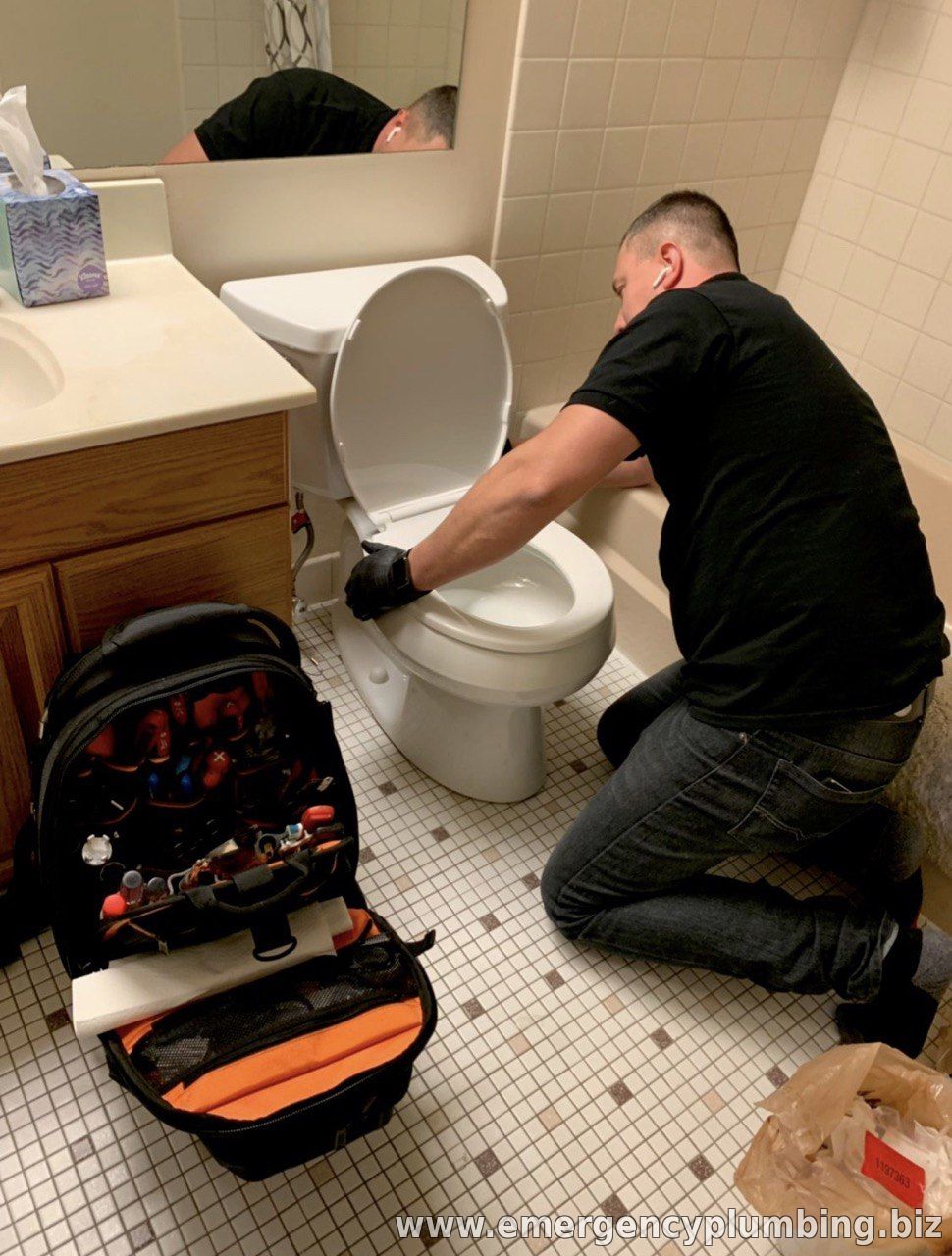
The cost of repairing a toilet can vary depending on the specific issue and the extent of the repairs needed. Here are some general estimates for common toilet repairs:
1. Clogged toilet: If you have a simple clog that can be cleared with a plunger or a toilet auger, you can fix it yourself at minimal cost. However, if the clog is severe and requires professional assistance, you might expect to pay around $100 to $200.
2. Running toilet: The cost to repair a running toilet typically ranges from $100 to $250. This can include fixing or replacing faulty components such as the flapper valve, fill valve, or float mechanism.
3. Leaking toilet: The cost to repair a leaking toilet will vary depending on the source of the leak. If it requires a simple fix like tightening a loose connection, the cost may be minimal. However, if there are cracks in the tank or bowl, or if any parts need replacement, the cost could be higher, ranging from $150 to $400.
4. Weak flush: Repairing a weak flush may involve adjusting the water level, cleaning or replacing the flapper valve, or clearing any blockages in the trapway or drain pipe. The cost can range from $100 to $250.
It's worth noting that these cost estimates are approximate and can vary based on several factors, including your location and the rates of plumbers in your area. It's always recommended to obtain multiple quotes from reputable plumbers to compare prices and ensure you're getting a fair deal.
If you're comfortable with DIY projects, you can attempt to troubleshoot and fix minor toilet issues yourself. However, for more complex problems or if you're unsure of what needs to be done, it's best to hire a professional plumber to ensure the repairs are done correctly and to avoid additional damage.
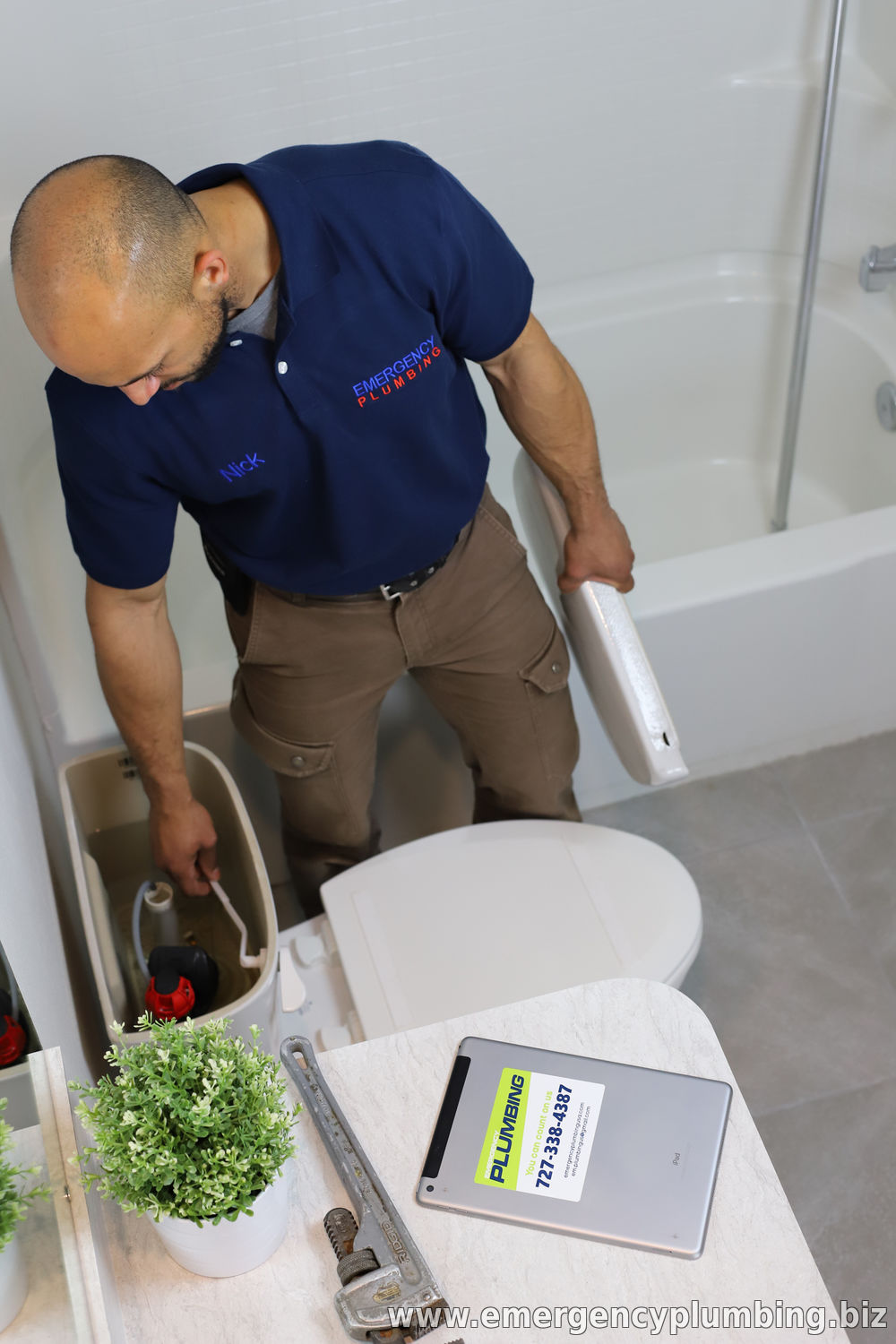
Most common problem with toilet
The most common problem with toilets can vary, but some frequently encountered issues include:
1. Clogged Toilet: This occurs when excessive toilet paper, foreign objects, or waste build-up obstructs the drain pipes, causing water to flow slowly or stop completely.
2. Running Toilet: A common issue where water constantly runs into the toilet bowl even when it's not being flushed. This can waste water and may be caused by a faulty flapper valve or a problem with the fill valve.
3. Leaking Toilet: When water leaks from the base or tank of the toilet, it can cause damage to the floor and waste water resources. The cause may be a faulty wax seal, loose bolts, or a cracked tank or bowl.
4. Weak Flush: If your toilet doesn't flush properly, it could be due to a partial blockage in the trap way or drain pipe, issues with the flapper valve, or inadequate water level in the tank.
5. Overflowing Toilet: This can be caused by a blockage in the drain pipe, a malfunctioning fill valve, or a problem with the float mechanism. It can lead to water damage and should be addressed promptly.
If you are experiencing any of these common toilet problems, it's best to consider contacting a plumber.
Remember we are just a phone call away from you
COMMON CAUSES OF TOILET CLOGGING
To help prevent clogging, it is best to avoid flushing certain items down the toilet. Even if something can get through at first, many non-toilet-safe materials do not break down properly, so they can collect inside the drain and cause a blockage later.
Baby Wipes
Unlike toilet paper, baby wipes won't flush. They are heavier and tend to glob together inside the drain, building up over time. Because they don't dissolve the way toilet paper does, one flush may not cause an immediate problem, but repeated use can make clogs much more likely.
Diapers
Together with baby wipes, this is one of the most common reasons why you might need fixing a clogged toilet. Diapers don't biodegrade, and just one item might be enough to cause a clog. Their material is designed to absorb and hold moisture, which means they can swell and form a blockage where they get stuck.
Cotton Pads
These also do not break down. Cotton pads can snag other debris trying to flow past them, creating a blockage. Once something catches, more waste can collect behind it, turning a small issue into a larger clog.
Dental Floss
At first sight, this item might seem very unlikely to cause clogging. Yet a floss might easily turn into a net, trapping anything else coming after it. Because it can wrap and gather, it can slow drainage and lead to a blockage that becomes harder to clear the longer it remains in the drain.
Paper Towels
They create blockages because they're made of a tougher blend of fibers. When you want to get rid of any toys, souvenirs or other items that are made of similar fibers, please throw them away together with dry garbage. If the material doesn't dissolve easily, it can collect in the plumbing and restrict the flow.
-
PIPE REPAIR, INSTALLATION & REPLACEMENT SERVICES
-
FAUCET REPAIR & INSTALLATION
-
BATHTUB REPAIRS
-
KITCHEN & BATHROOM SINK REPAIR & INSTALLATION
CHOOSING A NEW TOILET: WHAT TO CONSIDER
If you're replacing an old toilet rather than repairing it, a few factors are worth thinking through before you buy:
- Flush type: Gravity-fed toilets are the traditional, quieter option; pressure-assisted toilets use compressed air for a more powerful flush and resist clogging better, though they tend to be louder and cost more
- Bowl shape: Round bowls take up less space, making them a good fit for smaller bathrooms; elongated bowls offer more comfort and are the more common choice in modern installations
- Height: Standard toilets sit around 15 inches; "comfort height" or "ADA-compliant" models sit closer to 17-19 inches, which many adults find more comfortable and easier to use
- WaterSense certification: Look for this EPA label to ensure the toilet meets modern water-efficiency standards (typically 1.28 gallons per flush or less) without sacrificing flushing performance
SIGNS YOU NEED A TOILET REPLACEMENT, NOT JUST A REPAIR
Not every issue can be fixed with a new flapper or fill valve. Consider replacement if:
- The toilet is more than 25 years old (older models can use 3.5-7 gallons per flush, compared to today's 1.28-gallon standard — a major source of wasted water)
- You notice hairline cracks in the tank or bowl, which will eventually leak and can't be safely repaired
- The toilet requires frequent repairs — multiple fixes within a year or two often means it's more cost-effective to replace
- The toilet rocks or wobbles even after bolts have been tightened, which can indicate a damaged flange or subfloor issue
HOW A LEAKING WAX SEAL CAUSES BIGGER PROBLEMS
A failing wax ring seal between the toilet base and the drain flange is one of the most common — and most damaging — sources of toilet leaks. Because this leak happens at floor level, it's often not obvious right away. Left unaddressed, it can lead to:
- Water damage to the subfloor, which may require floor replacement in addition to the toilet repair
- Mold and mildew growth beneath the toilet base
- Unpleasant odors as sewer gas escapes through the broken seal
If your toilet rocks slightly, or you notice water pooling around the base after flushing, this is worth having inspected promptly rather than waiting.
FREQUENTLY ASKED QUESTIONS
Can I unclog a toilet myself before calling a plumber?
For a minor clog, a plunger or toilet auger is often enough to clear it yourself. If repeated plunging doesn't work, or if multiple fixtures in your home are backing up at once, that's a sign of a larger drain line issue that needs professional attention.
Is it normal for a toilet to run occasionally, or does it always need repair?
A toilet that runs briefly right after flushing is normal, but continuous running — especially if you hear water trickling when the toilet hasn't been used — usually means a worn flapper or fill valve and should be repaired promptly, since it wastes a significant amount of water over time.
How long does a typical toilet installation take?
A standard toilet replacement usually takes our technicians about 1-2 hours, assuming no issues with the flange or subfloor are discovered during the process.
Common Toilet Problems & When to Call a Professional
A malfunctioning toilet is not just an inconvenience — it can waste hundreds of gallons of water daily and cause severe water damage to your floors and subflooring. Contact our licensed plumbers at (224) 754-1984 if you encounter:
Constantly Running Toilet: Usually caused by a worn flapper, broken fill valve, or improper flush valve sizing. This can needlessly double your monthly water bill.
Water Leaking Around the Base: Indicates a failed wax ring seal or a cracked toilet bowl flange. Leaving this unfixed rots the subfloor beneath.
Weak, Partial, or Slow Flush: Often due to hard water mineral scale clogging the bowl jets, damaged flush valves, or partial drain line blockages.
Frequent Clogging & Overflowing: Recurring clogs may signal deeper drain line obstacles, tree root intrusion, or main sewer line backup.
Cracked Tank or Bowl: Hairline cracks in porcelain can suddenly split, causing sudden flooding in your bathroom.
Spud Washer or Shut-off Valve Leaks: Corroded emergency shut-off valves or degraded tank-to-bowl bolts causing slow, persistent drips.
Toilet Repair vs. Toilet Replacement: Which Do You Need?
Not sure whether to repair your existing toilet or upgrade to a new model? Here is how to decide:
Situation Recommended Action Why? Single failed component (flapper, handle, fill valve) Repair Quick, low-cost fix that restores full functionality instantly. Toilet is over 20–25 years old Replacement Modern 1.28 GPF (gallons per flush) High-Efficiency toilets save up to 16,000 gallons of water per year. Porcelain tank or bowl has visible cracks Replacement Cracked porcelain cannot be safely glued or sealed — replacement prevents sudden catastrophic flooding. Needs multiple repairs every year Replacement Installing a new, reliable unit is more cost-effective long-term than paying for repeated service calls. Bathroom remodeling or aesthetic update Replacement Modern elongated bowls, comfort-height designs, and smart bidet options enhance comfort and home value.
Professional Toilet Replacement & Installation Services
We supply and install all major brands and models of residential and commercial toilets, ensuring leak-free performance and compliance with Illinois plumbing codes:
Gravity-Fed Toilets: Reliable, quiet, and low-maintenance option for residential bathrooms.
Pressure-Assisted Toilets: High-power flush mechanisms ideal for heavy usage or homes prone to drain clogs.
Dual-Flush & Eco-Friendly Toilets: WaterSense certified fixtures that offer water-saving dual options (liquid vs. solid waste).
Comfort Height / ADA Compliant Toilets: Taller bowl heights (17–19 inches) for enhanced comfort, accessibility, and mobility ease.
Wall-Mounted & Concealed Tank Systems: Sleek, space-saving designs for modern bathroom remodeling projects.
Smart Toilets & Bidet Seats: Complete setup including electrical coordination, heated seats, self-cleaning nozzles, and touchless flushing.
Our Step-by-Step Professional Toilet Installation
Old Toilet Removal & Safe Disposal: We carefully disconnect water supply lines, drain the remaining water, and safely remove the old fixture without damaging your floor tile.
Flange & Floor Inspection: We examine the closet flange for cracks or rust, replace damaged floor bolts, and verify structural floor integrity.
Heavy-Duty Wax Seal / Rubber Gasket Fitting: A fresh, professional-grade wax ring or permanent rubber seal is installed to ensure an airtight, leak-proof join.
Precision Leveling & Mounting: The new bowl is securely mounted, leveled with specialized shims if necessary, and bolted down without cracking the porcelain.
Supply Line Connection & Leak Testing: We attach new stainless steel braided supply lines and perform multiple test flushes to verify zero leaks and optimal water pressure.
Frequently Asked Questions: Toilet Repair & Replacement
Q: How much does it cost to repair a leaking or running toilet?
A: Most standard toilet repairs (replacing flappers, fill valves, or tank-to-bowl seals) typically cost between $150 and $250, including parts and labor.
Q: What should I do if my toilet is about to overflow?
A: Act fast! Reach behind the toilet bowl, locate the shut-off valve on the wall, and turn it completely clockwise. You can also lift the tank lid and press the rubber flapper down manually to stop water from filling the bowl.
Q: Can I replace a toilet myself, or should I hire a licensed plumber?
A: While DIY installation is possible, improper seal placement or overtightening bolts can crack the porcelain, cause hidden subfloor water leaks, or lead to sewer gas leaks inside your home. Hiring a licensed plumber ensures the job is done right and backed by warranty.
Q: How long does a toilet installation take?
A: A standard toilet replacement takes approximately 1 to 2 hours for an experienced technician, provided the floor flange and drain line are in good condition.
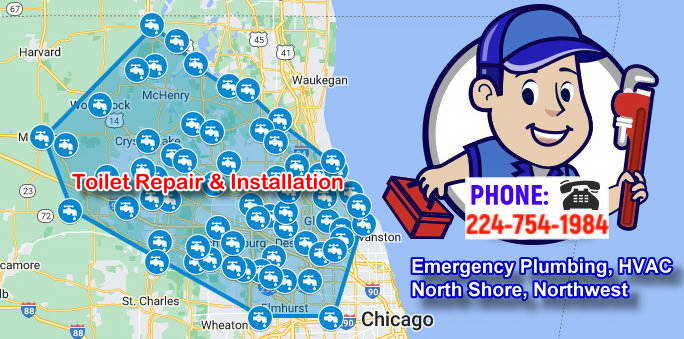
With multiple locations throughout North Shore and Northwest suburbs of Chicago, Illinois, Emergency Plumbing offers promt and professional plumbing services.
Are you looking for a reliable plumber near me in the Arlington Heights, Bannockburn, Barrington, or surrounding areas?
Our local plumbing company offers expert services, catering to all your needs. Whether you're in the heart of Buffalo Grove, the serene streets of Deerfield, or require an emergency plumber in Des Plaines or Elk Grove Village, we are here to help. Our plumbing contractors are well-versed in the unique plumbing systems of Glencoe, Glenview, Hawthorn Woods, and Highland Park.
For those in Highwood, Hoffman Estates, or the quaint town of India Creek, our team guarantees prompt and efficient service.
Residents of Inverness, Kildeer, Lake Bluff, Lake Forest, and Lake Zurich can also rely on our expertise. We extend our services to Long Grove, Mettawa, Lincolnshire, Mount Prospect, Mundelein, Northbrook, and Palatine.
Need a plumber in Prospect Heights, Ravinia, RiverWoods, Rolling Meadows, Vernon Hills, Wauconda, Wheeling, Wilmette, or Winnetka? Look no further! As a trusted plumbing contractor, we ensure that your plumbing issues are solved quickly and efficiently, keeping your home or business running smoothly.