

3:07 AM Hose Bibs and Spigots: A Practical Homeowner's Guide | |
Outdoor faucets, commonly called hose bibs or spigots, are a small but essential part of any home’s plumbing. Whether you’re upgrading old fixtures or choosing new ones for a outdoor project, understanding the options can save time and prevent leaks.
What you’ll find here: an overview of common types, installation considerations, maintenance tips, and how to troubleshoot typical issues. This guide is written for homeowners and DIY enthusiasts who want clear, practical guidance. Types of hose bibs and spigots
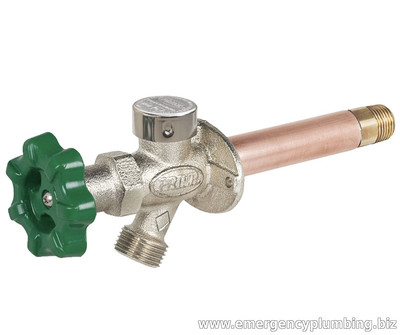
Hose bibs come in several configurations, including frost-free, standard compression, coreless (screw-in) street or sillcock, and angled models. Frost-free bibs extend the valve back into the heated part of the house, reducing the risk of frozen pipes in cold climates. Standard compression bibs are common and easy to install, but they require winterization in freezing regions. Angled models direct water flow differently and can fit tighter spaces.
Materials vary as well, with brass and chrome-plated brass being the most durable, followed by stainless steel and nickel finishes. Consider weather exposure, corrosion resistance, and compatibility with your garden hose fittings when choosing a finish. Installation basics
Before you begin, shut off the indoor water supply and drain the line. If you’re replacing an old bib, you’ll remove the packing nut and old valve, then install a new bib with appropriate thread sealant or tape. Frost-free models require careful alignment and may involve more extensive plumbing work. If you’re unsure, consult a licensed plumber to avoid leaks or frost damage.
Key installation tips include ensuring a watertight seal, checking for full extension of the handle, and testing for leaks after the first use. In many regions, outdoor spigots must comply with local building codes or homeowner association rules, so verify requirements before purchasing. Maintenance and common issues
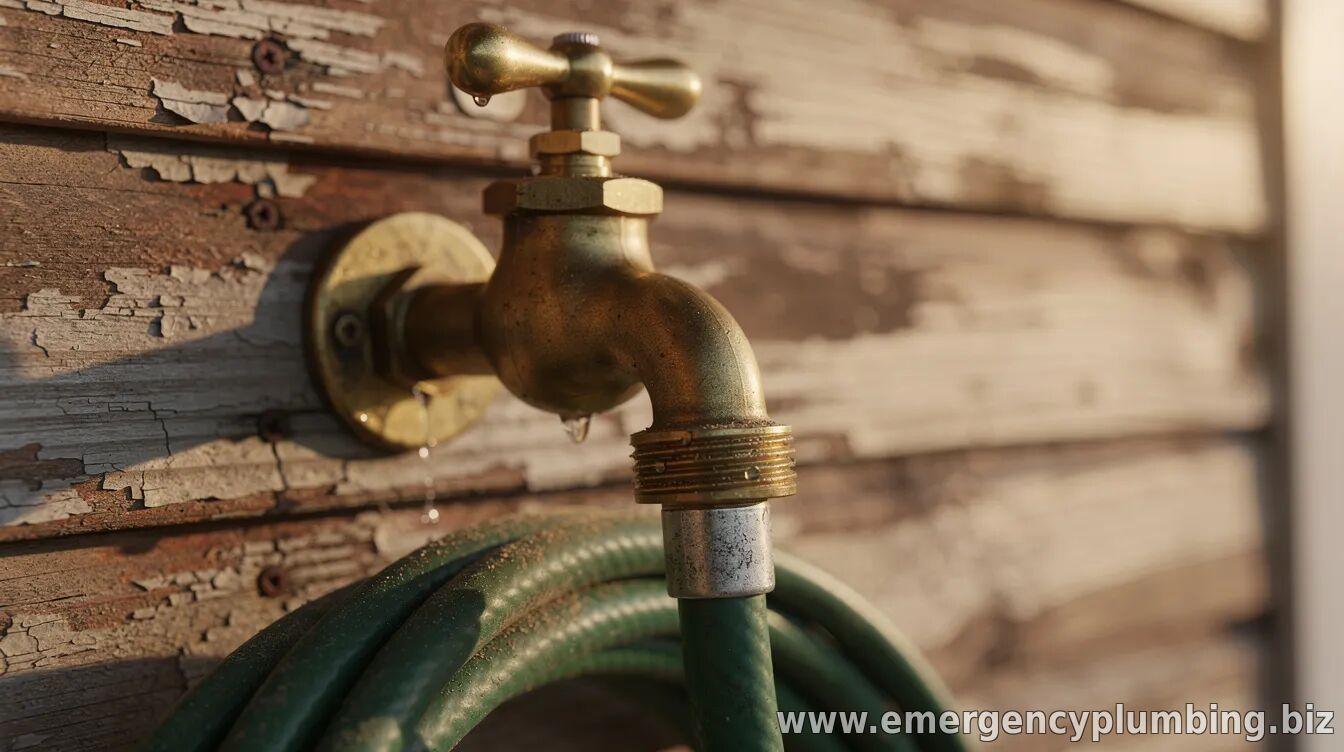
Regular maintenance extends the life of your hose bib. Winterization is crucial in freezing climates: disconnect hoses, drain the line, and shut off supply valves to prevent burst pipes. Periodically inspect for leaks around the stem and packing nut; tighten or replace components as needed. Clean aerators and hose adapters to prevent mineral buildup and ensure smooth operation.
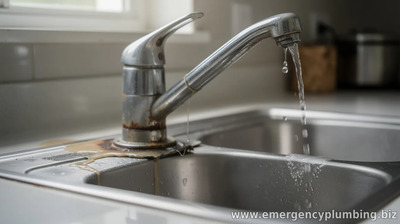
Common problems include leaks at the packing nut, frozen or stuck handles, and corroded stems. If a leak persists after tightening packing nuts or replacing washers, it’s often best to replace the entire bib or call a professional for assessment. Buying and safety considerations
When shopping, consider climate, ease of winterization, and whether you need a frost-free model. Check thread sizes (typically 3/4 inch) and hose compatibility. For homes with older plumbing, brass or stainless models tend to offer longer service life and better corrosion resistance. Always follow local plumbing codes and weatherproofing best practices when installing or upgrading outdoor faucets.
| |
⏰ Dispatcher support 24/7
📞 224-754-1984CALL ☎ Subscribe 👆 FORUM 🗣
North Shore, Northwest suburbs of Chicago, IL
Next & Previous posts
Related articles: