

0:50 AM How to Winterize Your Plumbing in Illinois | |
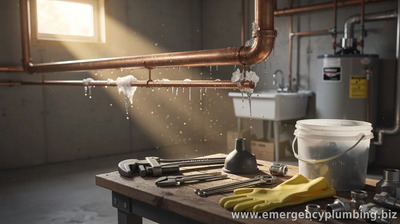
Winterizing your plumbing before Illinois temperatures drop is one of the best ways to prevent frozen pipes, leaks, and expensive repairs. While every home is different, a few proven steps can significantly reduce risk—especially for plumbing in unheated areas.
Start by identifying where your pipes run. Common problem spots include exterior walls, garages, crawl spaces, basements with poor insulation, and areas near doors or vents. Pay special attention to lines that lead to hose bibs, outdoor showers, sprinkler systems, and any plumbing connected to pools or irrigation. Seal drafts and improve insulation
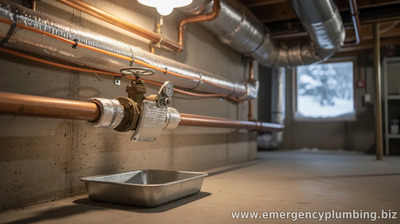
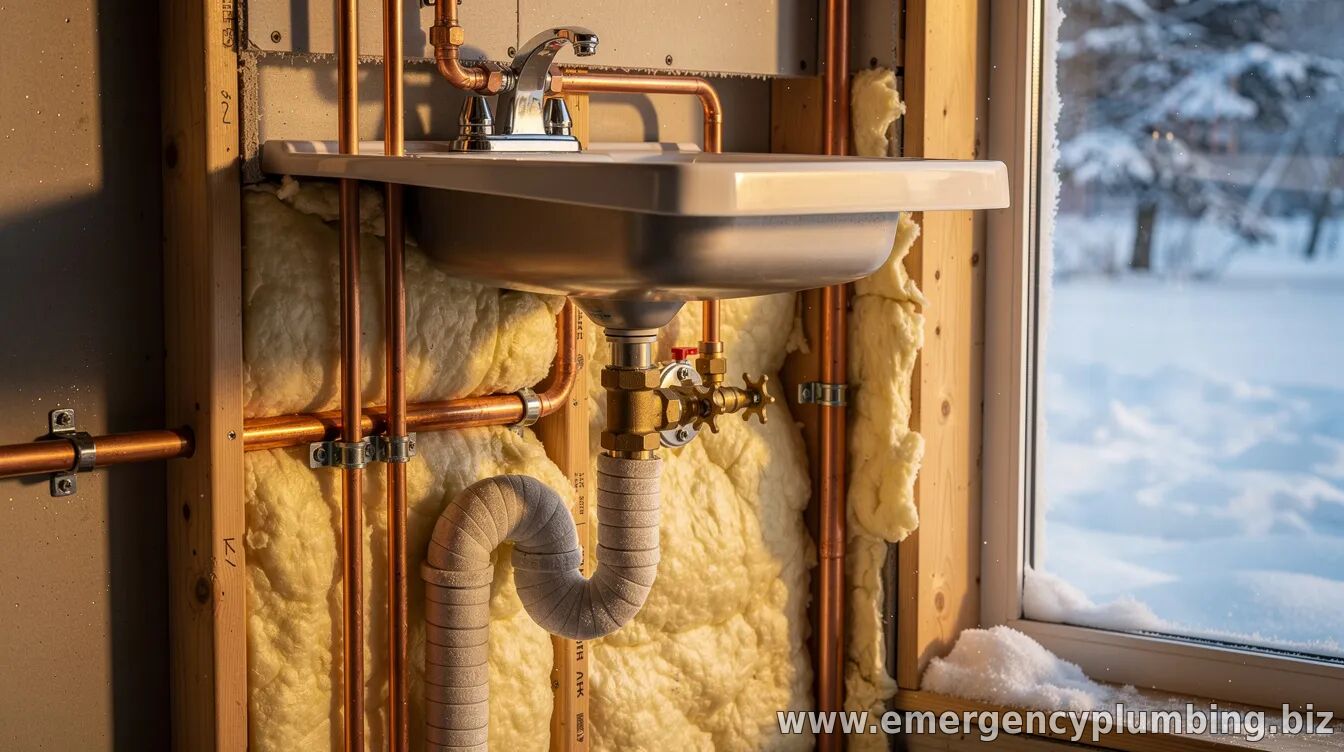
Cold air is one of the quickest ways to freeze pipes. Seal gaps around plumbing penetrations, foundation cracks, and openings near utility lines. Then insulate exposed pipes with foam pipe sleeves or fiberglass wrap designed for plumbing use. For best results, add insulation where pipes are most vulnerable—particularly along exterior runs and in unheated spaces.
If your pipes are located in a crawl space, consider using a vapor barrier and improving insulation around the crawl space floor. Even modest temperature improvements can help keep pipe surfaces above freezing. Drain outdoor lines and disconnect hosesOutdoor hose bibs and sprinkler lines are frequent culprits in Illinois. Disconnect and drain garden hoses fully. If your home has a dedicated shutoff for outdoor spigots, close it and then drain the remaining water through the spigot. For sprinkler systems, follow your irrigation provider’s guidance for proper seasonal shutdown—often involving blowing out lines and protecting backflow preventers.
Don’t assume that closing a valve fully eliminates water. Outdoor plumbing often retains water within the pipe run, so draining and clearing the lines is key before deep freezes. Shut off and protect indoor exposed plumbing
For indoor pipes in unheated areas (such as a basement corner near an exterior wall), you may need to take extra measures beyond insulation. If you have access to shutoff valves for certain sections, you can isolate them—then drain if appropriate, depending on your plumbing setup. Avoid DIY changes that could affect your water service without understanding your system.
For homes with recurring freezing issues in specific spots, installing heat tape may be an option, but it must be properly selected and used. Use outdoor-rated heat tape where appropriate, confirm it is installed according to manufacturer instructions, and avoid overlapping insulation in ways that create heat buildup. Maintain low-level water flow during extreme cold
During severe cold snaps, allowing a small, steady stream of water can keep pipes from freezing. The idea is to relieve pressure and reduce temperature drops inside the pipe. This is especially helpful for the last section of plumbing before it reaches an exterior wall—like a sink on an outside wall.
Choose a tap closest to where the pipes are most exposed, and let it drip or flow lightly for the coldest window, then turn it back down once temperatures stabilize. Check temperature and plan for power outages
Frozen pipe risk rises quickly as temperatures approach freezing. Set your home’s thermostat so unheated areas stay as warm as possible. If you use space heaters, keep safety in mind and ensure they are placed and vented properly.
If your winterization relies on an electric component—such as heat tape—consider what happens during power outages. While you can’t eliminate all risk, knowing your plan for extended cold without power helps you act faster if something goes wrong. When to call a professional
If you’ve had frozen pipes before, have questionable shutoff/drain capabilities, or your system includes complex components like backflow devices, repeated leaks, or older galvanized piping, a licensed plumber can assess vulnerable areas and recommend targeted protection.
Before Illinois weather turns, a focused winterization approach—insulate, seal, drain outdoor lines, and keep vulnerable indoor areas warmer—can prevent most freezing-related problems. Make these checks part of your seasonal routine, and you’ll be better prepared for the months ahead.
| |
⏰ Dispatcher support 24/7
📞 224-754-1984CALL ☎ Subscribe 👆 FORUM 🗣
North Shore, Northwest suburbs of Chicago, IL
Next & Previous posts
Related articles: