

REQUEST A QUOTE 📩

Submit the form, we'll contact you as soon as possible!


Name:
Email *:
Phone *:
Message *:
Select type of service *:
Your area *:
Add file (15 Mb MAX):
Security code *:

Emergency plumbing, plumber near me, service, HVAC, IL


HOME » BLOG ✍

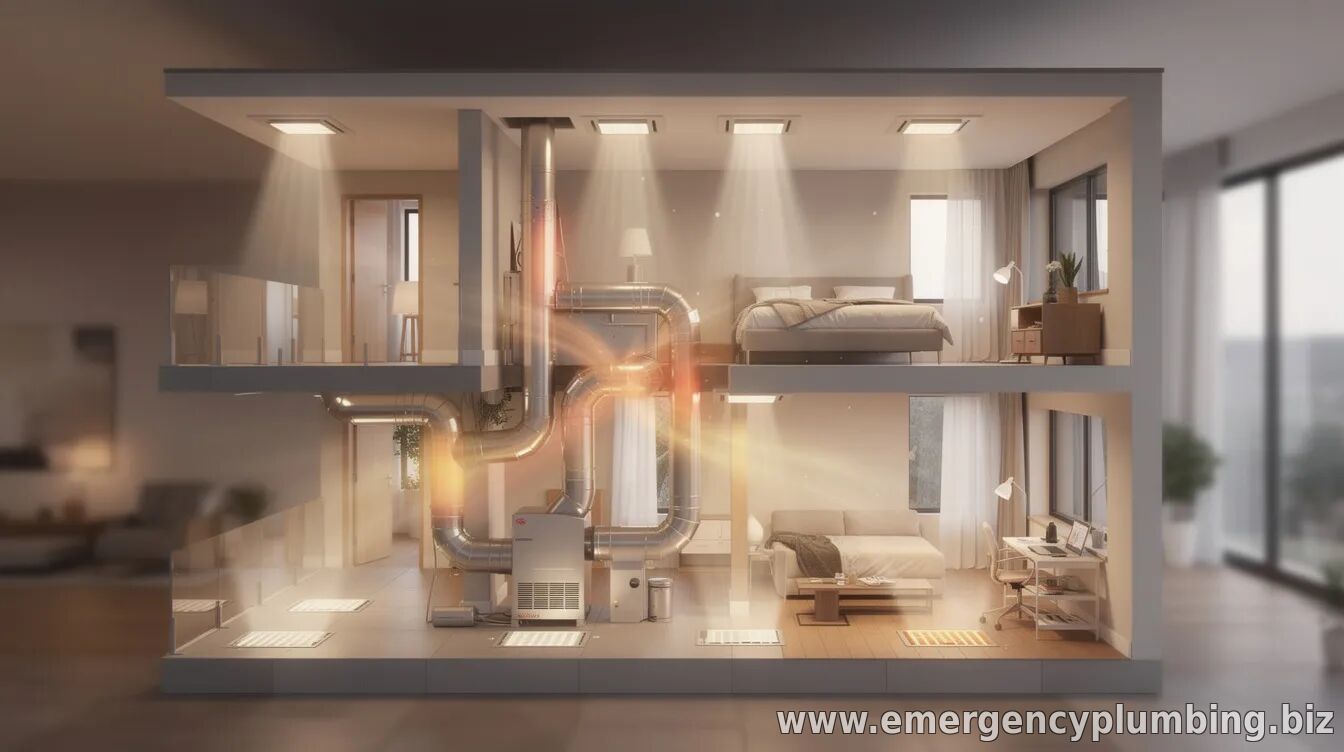
Combi-Boilers vs. Traditional Furnaces in Illinois

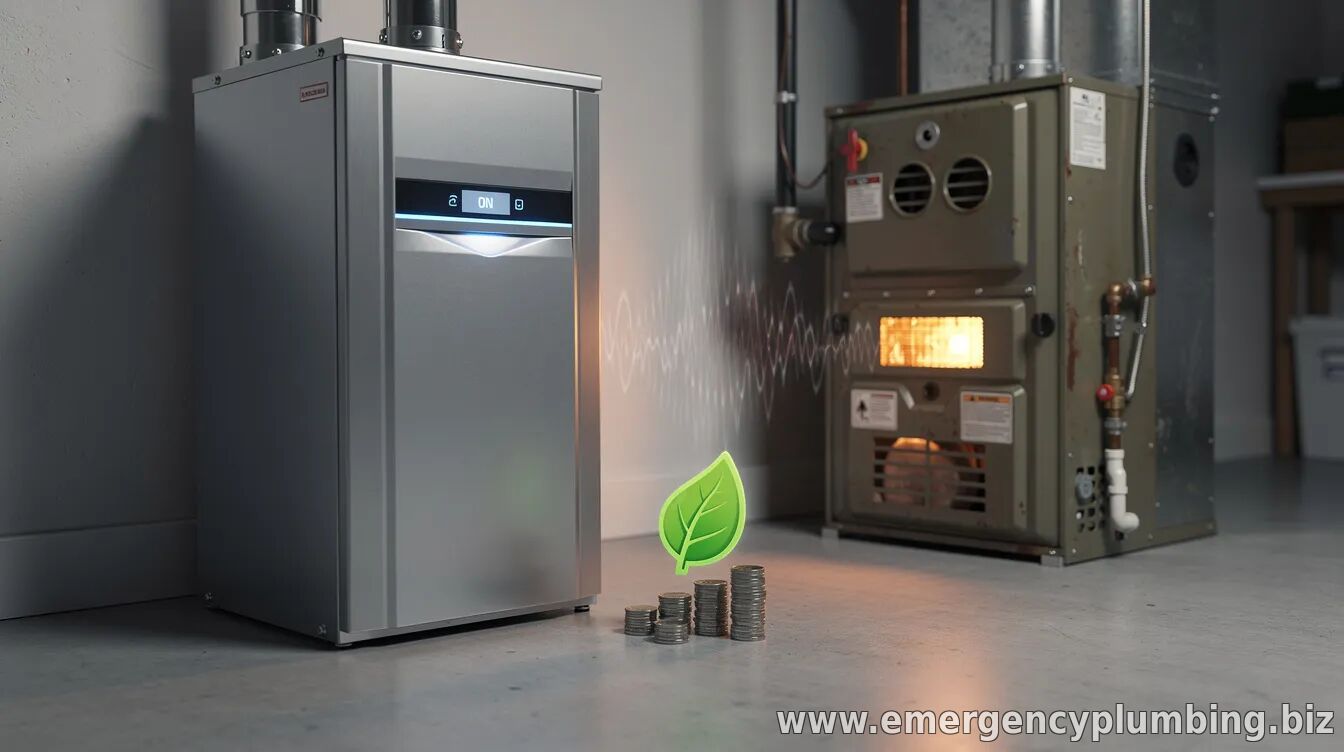
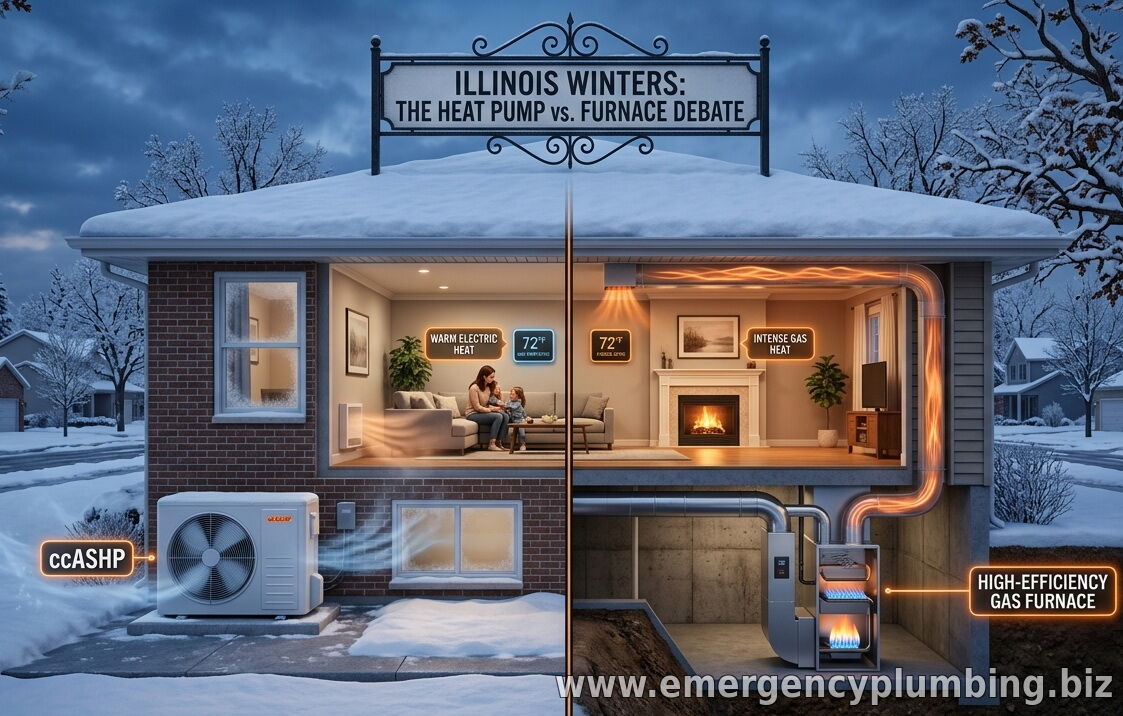
Illinois winters can be unforgiving, and heating bills often become the largest controllable energy expense for households. That’s why many residents are comparing modern condensing combi-boilers—which provide space heat and domestic hot water—from traditional furnace-based systems that typically require a separate water heater.


The headline: real savings are possible with combi-boilers, but the outcome depends on efficiency, installation quality, home envelope performance, and how you currently manage hot water use. Below are the practical factors that most influence results in Illinois.


1) How efficiency translates into lower bills


Condensing combi-boilers are designed to capture more heat from combustion gases by extracting additional energy as the system cools exhaust products. In contrast, many traditional furnaces deliver heat with less recovery, especia ... Read more »

06/23/2026 112 0
When to Replace Your Furnace Filter—and Why It Matters

Replacing a furnace filter sounds routine—until you realize it can affect everything from heating costs to respiratory comfort. A filter that’s overdue can restrict airflow, forcing your system to work harder, while a filter that’s too infrequent may allow more dust and particulates to circulate indoors.


So when should you replace your furnace filter? The short answer: follow manufacturer guidance, but also use performance signals like filter condition and your home’s real-world conditions.

... Read more »

06/23/2026 105 0
Pipe Burst at Night: What to Do Before the Plumber Arrives

A pipe bursting at night can turn minutes into costly water damage. The key is to act immediately, prioritize safety, and take a few practical steps to reduce the flow and protect valuables until a plumber arrives.


Step 1: Check for safety first. If you see sparks, smell gas, or water is near electrical outlets or appliances, do not touch switches or standing water. Keep people and pets away and, if necessary, call emergency services or your utility company. If it’s safe to do so, move to the next steps.


Step 2: Shut off the water supply. Locate your home’s main water shutoff valve (often near the water meter or where the main line enters the house) and turn it off. If you can’t find it quickly, check for a secondary shutoff (for example, near a bathroom or under a kitchen sink) and use that instead.

... Read more »

06/22/2026 103 0
How to Read a Sewer Video Inspection Report

Sewer video inspections use a camera pushed through your drain or sewer line to document the inside condition of the pipe. The resulting report typically combines still images, video segments, measurements, and a scoring or description of defects. Learning what you’re looking at helps you ask the right questions and make informed decisions about repairs.


Although each company formats reports differently, most follow the same logic: identify where problems are, describe what the camera sees, grade severity, and recommend actions. Below are the most important sections—and how to interpret what your plumber is actually showing you.


1) Locate the problem: footage, distance, and direction


Most sewer reports reference footage that corresponds to a known point along the line—often using distance markers such as “distance from cleanout” or a similar measurement. The plumber may also indica ... Read more »

06/21/2026 130 0
« 1 2 ... 12 13 14 15 16 ... 118 119 »