

REQUEST A QUOTE 📩

Submit the form, we'll contact you as soon as possible!


Name:
Email *:
Phone *:
Message *:
Select type of service *:
Your area *:
Add file (15 Mb MAX):
Security code *:

Emergency plumbing, plumber near me, service, HVAC, IL


HOME » BLOG ✍

Seasonal Energy Efficiency Ratio (SEER) explained

SEER stands for Seasonal Energy Efficiency Ratio. It measures the cooling output of an air conditioner or heat pump over a typical cooling season, divided by the amount of electricity consumed in watt-hours. In simple terms, a higher SEER number means the system provides more cooling for each unit of energy used.


Manufacturers test and rate units across standardized conditions to establish SEER ratings. The rating helps consumers compare models, estimate annual energy use, and predict potential savings on utility bills. SEER is most relevant in warm or hot climates where air conditioning dominates energy consumption during the summer months.


How SEER is calculated involves calculating the total cooling output (measured in BTU) across a range of indoor/outdoor temperatures and dividing by the total electrical energy input (in watt-hours) for those tests. The result is expressed as SEER, such as SEER 14, SEER 16, or higher for more efficie ... Read more »

03/09/2026 127 0
What causes water pressure changes in your home

Water pressure changes at home can be frustrating and confusing. Most homeowners experience occasional dips or spikes, but understanding the typical culprits makes it easier to diagnose and fix issues without overhauling your plumbing.


Common causes


1) Leaks and hidden corrosion: Small leaks in pipes or fittings can drain pressure gradually, especially if they’re behind walls or under floors. Corroded galvanized pipes or aging copper can constrict flow, leading to lower pressure in some areas while others stay unaffected.


2) Pressure regulator problems: Many homes rely on a pressure-reducing valve (PRV) to keep incoming pressure in a safe range. A faulty or misadjusted PRV can cause high or low pressure that affects multiple outlets.


3) Water main or supply line issues: Pressure drops can occur if the municipal supply or shared service line experiences maintenance, burs ... Read more »

03/08/2026 100 0
How to Extend Your Water Heater Lifespan: Practical Maintenance Tips

Water heaters are a quiet workhorse in most homes, often out of sight and out of mind until something goes wrong. With a regular maintenance routine, you can extend their life, improve efficiency, and avoid unexpected outages. Below are practical steps that homeowners can take without needing specialized tools.


Key maintenance steps


1) Test and maintain the thermostat setting. Keeping water around 120°F helps reduce energy use and minimizes mineral buildup. If you have a tankless model, follow the manufacturer’s recommended temperature range.


2) Drain and flush the tank at least once a year. Sediment from hard water accumulates at the bottom of the tank, reducing efficiency and shortening life. Attach a hose to the drain valve, drain a few gallons, then close and refill the tank.


3) Inspect the anode rod and replace as needed. The anode rod prevents tank corrosion; if it’s ... Read more »

03/08/2026 111 0
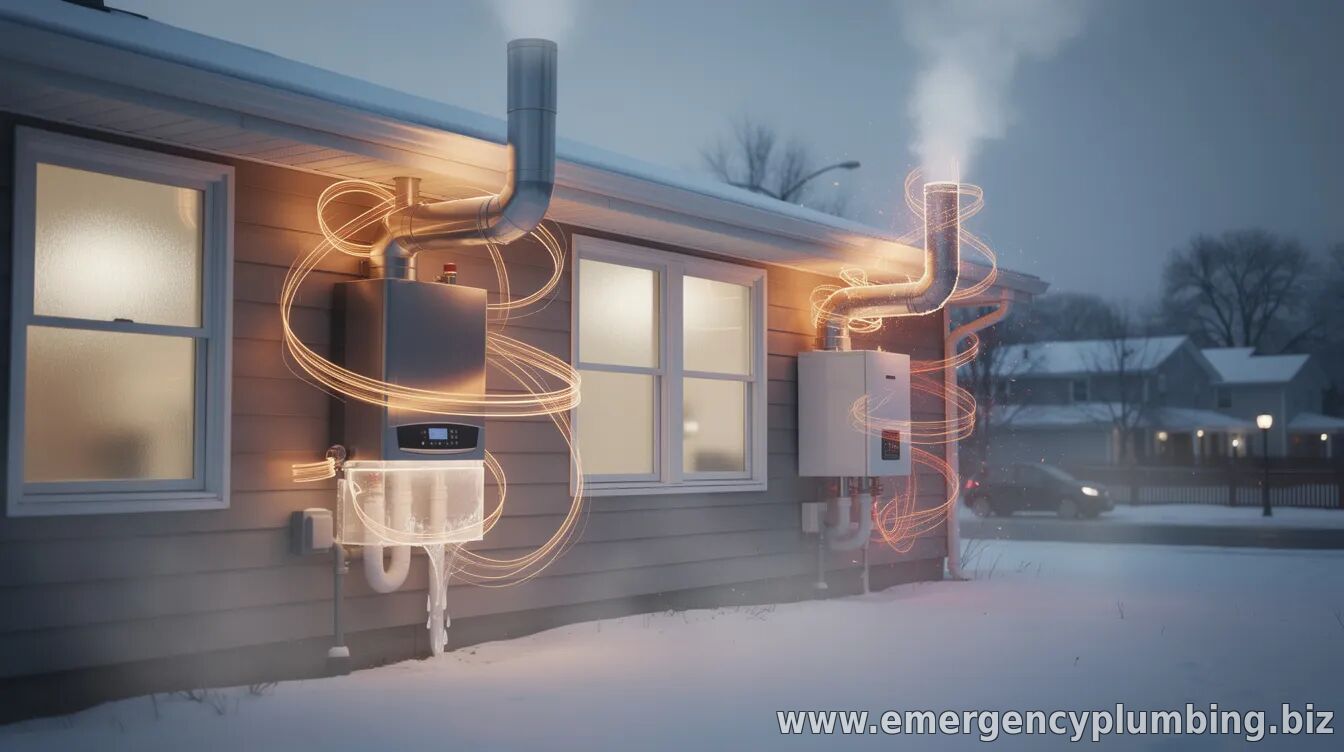
Are tankless water heaters suitable for large households?

For households with many residents or high simultaneous hot-water needs, the question isn’t just if a tankless system can heat water, but whether it can supply enough flow when several taps run at once. Tankless models heat water on demand, which can save space and reduce standby energy loss, but their effectiveness hinges on size, installation, and climate.


Key considerations for large households


1) Flow rate and proper sizing: Tankless heaters are rated by gallons per minute (GPM). A large household may require multiple outlets (showers, sinks, laundry) running at once. An undersized unit may deliver lukewarm water during peak demand. A professional assessment often involves calculating peak-hour usage and selecting a unit or a loop that can meet or exceed that demand.


2) Climate and water temperature: In colder climates, incoming water is cooler, reducing the available GPM. In such areas, ... Read more »

03/07/2026 116 0
« 1 2 ... 25 26 27 28 29 ... 104 105 »