

8:44 AM Warning Signs Your Sewer Line Needs Replacement | |
Many homeowners try to solve sewer problems with drain cleaner or drain snaking, but those fixes don’t address the root cause when the sewer line itself is failing. In older homes especially, a damaged or deteriorating sewer pipe can lead to persistent issues, higher maintenance costs, and potential health and property risks.
Recognizing early warning signs can help you schedule proper diagnosis and determine whether sewer line replacement is necessary. Frequent clogs and recurring backups
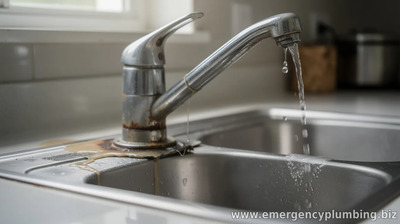
If you’re dealing with the same drains repeatedly—especially when a problem keeps returning after snaking—your sewer line may be obstructed by buildup inside the pipe or affected by structural damage. Persistent blockages often suggest the underlying pipe condition is deteriorating rather than a one-time stoppage. Slow drains throughout the home
Slow draining sinks, tubs, and toilets can point to a shared sewer line issue. While individual clogs happen, widespread sluggishness often indicates restricted flow in the main line, which can occur when the pipe is cracked, collapsed, or heavily scaled. Sewage odors near drains or in the yard
A sewer smell—inside bathrooms, near floor drains, or lingering outdoors—can be a strong indicator of leaks or venting problems. When odors persist, they may be tied to a compromised pipe that’s allowing waste gases to escape or leaking wastewater to the surrounding area. Water backing up when using plumbing
Backups during showers, dishwashing, or laundry are especially concerning. If multiple fixtures back up at once or you notice gurgling sounds in drains, it can indicate the sewer line isn’t carrying waste effectively—sometimes due to a collapsed section or blocked line.
In some cases, homeowners also notice wet patches in the yard near the sewer route. While moisture can come from landscaping or irrigation, unexplained soggy areas paired with odor or plumbing symptoms may signal a leaking line. Visible damage and age of the plumbing
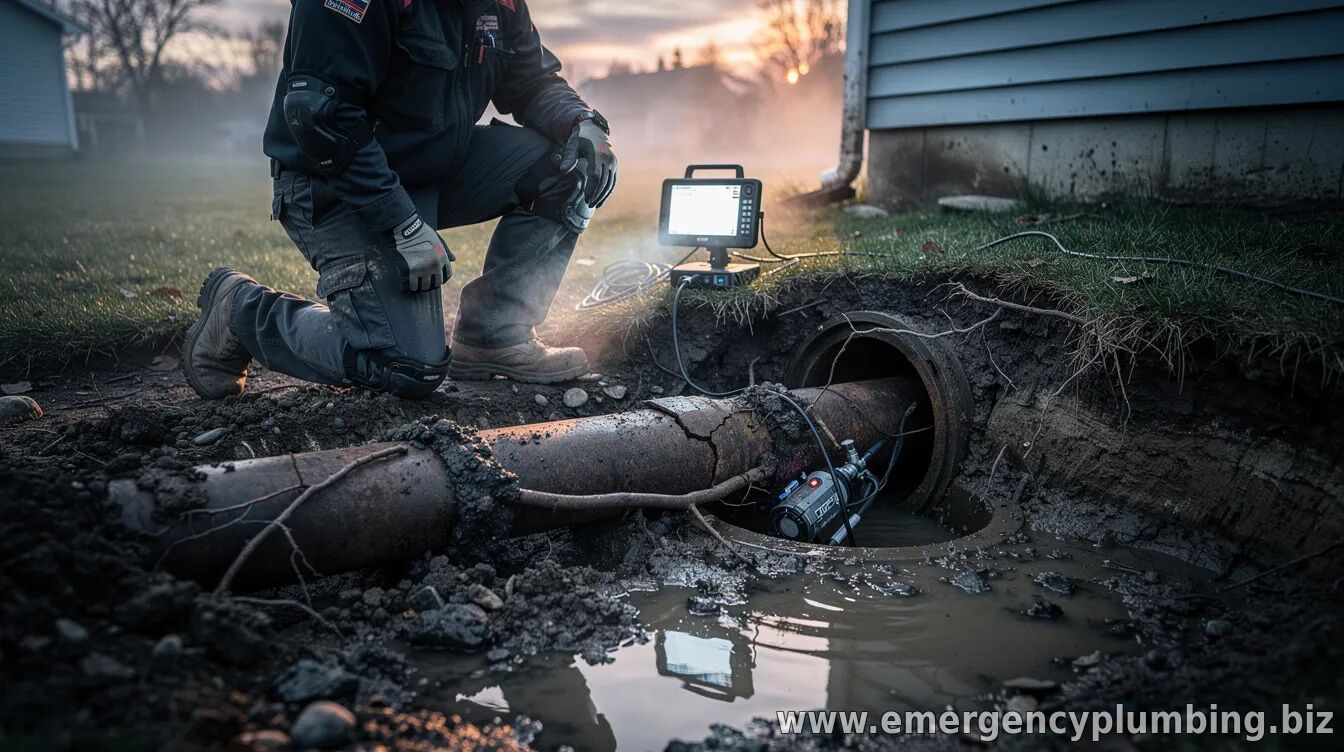
If your home is older and you don’t have a recent history of sewer repairs, it’s worth paying attention to pipe age. Materials such as older clay or aging cast iron can become more failure-prone over time, and corrosion or root intrusion can eventually progress beyond the point where patching is effective.
Visible signs may include recurring sinkhole-like depressions along the sewer path, cracks in nearby areas, or repeated “temporary” repairs that don’t last. What to do when these signs appear
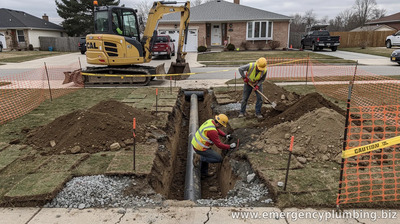
When multiple warning signs show up, the safest next step is a proper sewer evaluation using camera inspection. A technician can identify the condition of the line, confirm whether the issue is localized or widespread, and determine whether replacement is the most cost-effective long-term option.
Depending on findings and local conditions, solutions may include targeted repairs or full replacement. If the pipe is extensively damaged, replacement can prevent repeated emergencies and reduce the risk of future backups and leaks.
If you suspect sewer line failure, avoid relying solely on chemical drain cleaners, which can damage plumbing further and won’t resolve structural pipe problems. Instead, document the symptoms, note when they occur, and request a professional inspection.
Addressing the warning signs early can help protect your home, your health, and your budget—turning a recurring nuisance into a clear, definitive plan.
| |
⏰ Dispatcher support 24/7
📞 224-754-1984CALL ☎ Subscribe 👆 FORUM 🗣
North Shore, Northwest suburbs of Chicago, IL
Next & Previous posts
Related articles: