

2:12 AM Sump pump battery beeping: what to do and how to fix | |
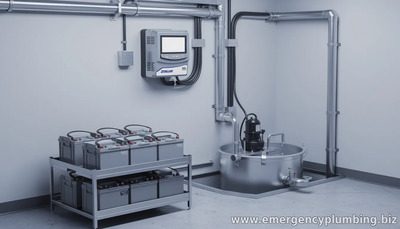
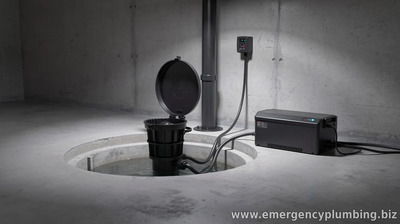
Hearing a beeping from your sump pump battery can be stressful, especially when storms are on the horizon. Beeping usually indicates a condition the system wants you to address: low battery charge, a battery fault, a maintenance alert, or a problem with the alarm circuitry. Understanding the pattern and the model’s manual can help, but there are common steps you can take to diagnose and resolve many beeping issues.
First, ensure safety. If your sump pump is in a flooded area, avoid contact with standing water and ensure the area is dry enough to work. If your unit is wired into a backup battery system, disconnect power before handling components to reduce the risk of electric shock.
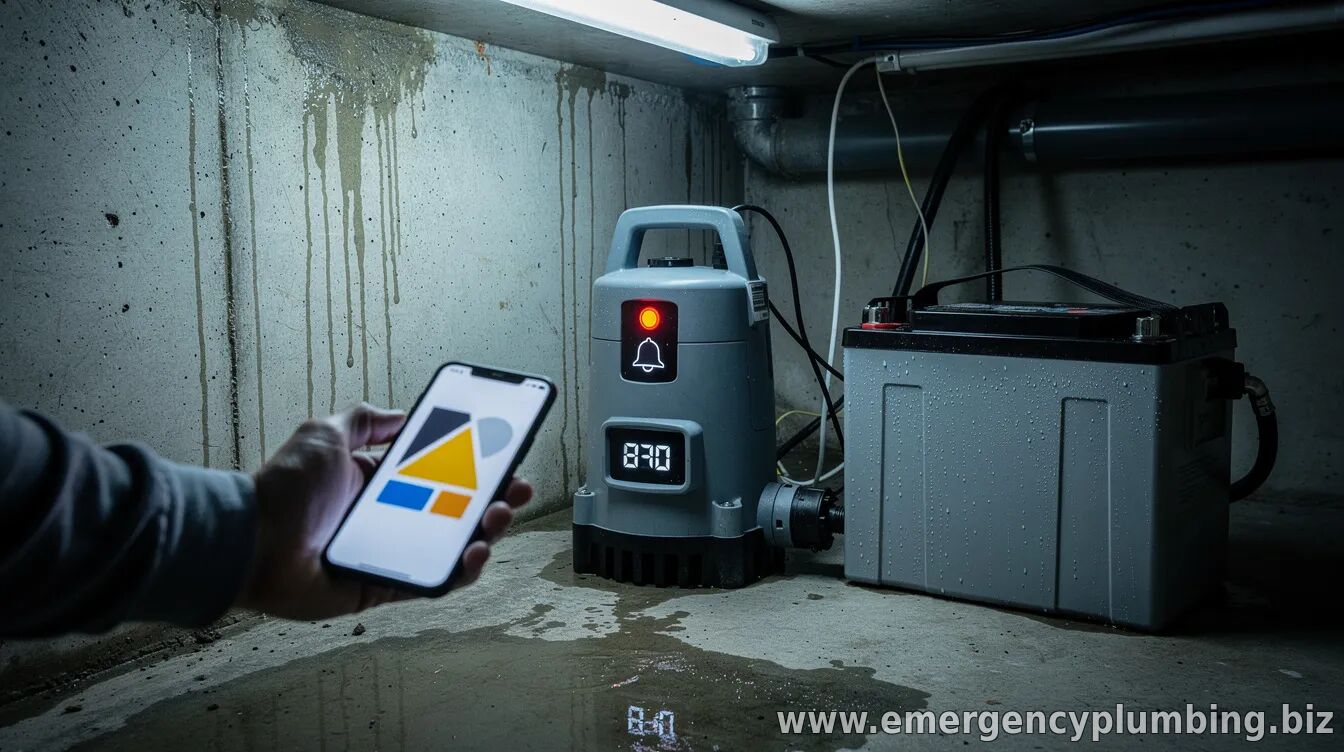
Check the basics: confirm the alarm pattern (continuous beep vs. intermittent), listen for a periodic chirp, and note any accompanying indicator lights. A continuous beep at regular intervals often signals a low battery charge, while a rapid chirp can indicate a fault or end-of-life battery. Some alarms use specific LED codes; refer to your model’s manual for exact meanings.
Inspect the battery itself. Look for corrosion on terminals, swollen or leaking cells, or loose connections. Clean any corrosion with a mixture of baking soda and water, then dry thoroughly before reattaching. Ensure all cables are firmly connected and that the battery is properly seated in its compartment.
Test the battery with a multimeter if you have one. A healthy 12-volt lead-acid sump pump battery typically reads around 12.6 volts when fully charged and about 12.0 volts or lower when discharged. If the voltage is significantly below 12 volts, replace the battery. If you’re unsure, contact the manufacturer or a licensed technician for a battery health assessment.
If the battery is old or has failed, replace it. Most sump pump backup batteries are designed for several years of service, but high-use scenarios, frequent outages, or extreme temperatures can shorten life. When replacing, use a battery type recommended by the manufacturer and ensure proper ventilation and secure mounting in the battery tray.
Reset the alarm after addressing the issue. Some models require a manual reset or a full power cycle (unplug, wait a few minutes, plug back in) to clear the alert. If the beeping continues after a battery replacement and a full reset, there may be another fault in the system—such as a control board issue or a faulty alarm module—and you should have a technician inspect the unit.
Prevent future beeps and outages with preventive checks: test the backup system monthly, inspect connectors for corrosion, and replace the backup battery every 3–5 years or per manufacturer guidelines. Keep the area around the sump pump dry and clear of debris to reduce strain on the float switch and motor.
| |
⏰ Dispatcher support 24/7
📞 224-754-1984CALL ☎ Subscribe 👆 FORUM 🗣
North Shore, Northwest suburbs of Chicago, IL
Next & Previous posts
Related articles: