
1:15 AM Underground Sewer Repairs and Outside Cleanout Installations | |
Repairs to underground sewer lines and the installation of an outside cleanout station are two of the most common upgrades for properties that experience backups, slow drains, foul odors, or recurring maintenance calls. While the exact scope depends on the condition of the line, the work typically centers on locating the problem, restoring proper flow, and adding access points that make future troubleshooting faster and less disruptive.
Why sewer line problems matter Sewer failures don’t just affect convenience. When wastewater can’t move freely through aging piping, it may back up into sinks, toilets, or floor drains, and it can create unpleasant odors and potential sanitation risks. In many cases, early repair prevents damage from spreading further along the underground run. 1) Assessing and locating the issue
Most projects begin with a sewer inspection, often using CCTV camera work to evaluate the interior condition of the pipe. Technicians look for breaks, collapsed sections, root intrusion, offset joints, damaged fittings, and signs of deterioration. This step is critical because the “fix” depends on what’s happening inside the pipe, not just on the symptoms at the surface. 2) Underground repair methods
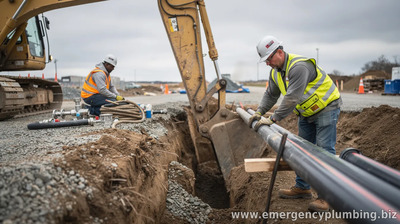
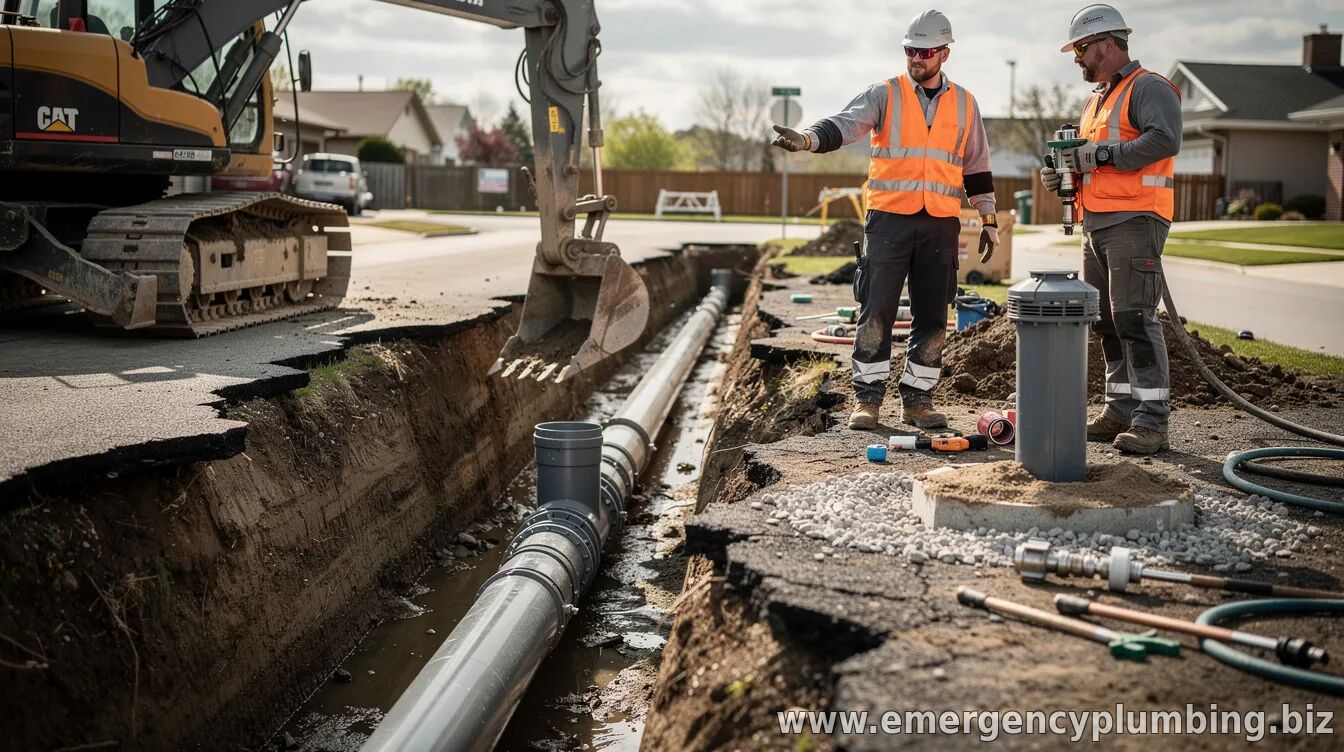
Once the damage is identified, crews choose an approach suited to the pipe’s material, depth, and extent of failure. Common options may include targeted pipe replacement for localized damage, trenchless methods where appropriate, or rehabilitation techniques designed to restore the line’s integrity while limiting excavation. In every case, the goal is to re-establish a dependable, leak-resistant path for wastewater to travel.
Installation of an outside cleanout station is frequently paired with repairs because it creates a practical access point for future inspections and service. A cleanout allows plumbing professionals to flush, test, and clear the line more efficiently without extensive digging, especially when problems recur years later due to sediment, minor blockages, or tree-root activity. 3) Permits, safety, and property considerations
Sewer work often involves permits and must meet local codes, particularly for excavation, access openings, and connections to existing systems. Safety planning also matters: crews typically protect landscaping, manage traffic or pedestrian access near work zones, and follow procedures to prevent contamination during handling and testing. Property owners can reduce delays by ensuring utility locates are completed and by coordinating access to the repair area.
Testing and verification After repairs and/or cleanout installation, a proper job is confirmed through verification steps. Depending on the system and local requirements, this may involve pressure or flow testing and a follow-up inspection to confirm alignment, structural integrity, and the absence of leaks or remaining obstructions. These checks help ensure the repair is durable rather than temporary. 4) What homeowners should do next
If you’re facing frequent clogs, slow drains, or suspect a compromised sewer line, consider documenting symptoms (when they occur and where backups show up). Ask whether a camera inspection is included, how the scope of repair will be determined, and whether an outside cleanout will be installed or upgraded as part of the work. Clear communication about timelines, permits, and restoration of the area—such as landscaping or pavement patching—can also improve the overall experience.
Underground sewer line repair and outside cleanout installation are practical, long-term solutions for maintaining wastewater infrastructure. When done with the right inspection, method selection, and post-repair testing, they can reduce repeat issues and make future service faster, safer, and less invasive.
| |
⏰ Dispatcher support 24/7
📞 224-754-1984CALL ☎ Subscribe 👆 FORUM 🗣
North Shore, Northwest suburbs of Chicago, IL
Next & Previous posts
Related articles: