

2:14 AM Understanding hot water recirculating pumps for homes | |
Many homeowners experience a frustrating delay before hot water reaches the tap. A hot water recirculating pump (often called a hot water circulation pump) speeds up delivery by keeping hot water circulating through the home’s plumbing. This can save time, reduce water waste, and improve comfort during routine chores like showering or washing dishes.
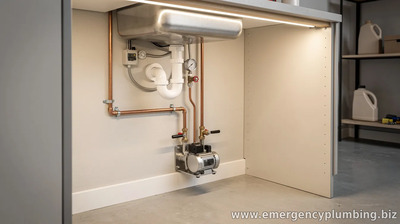
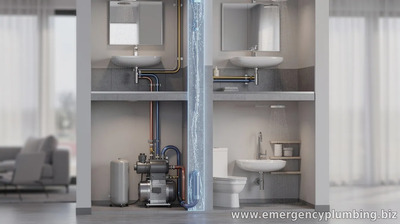
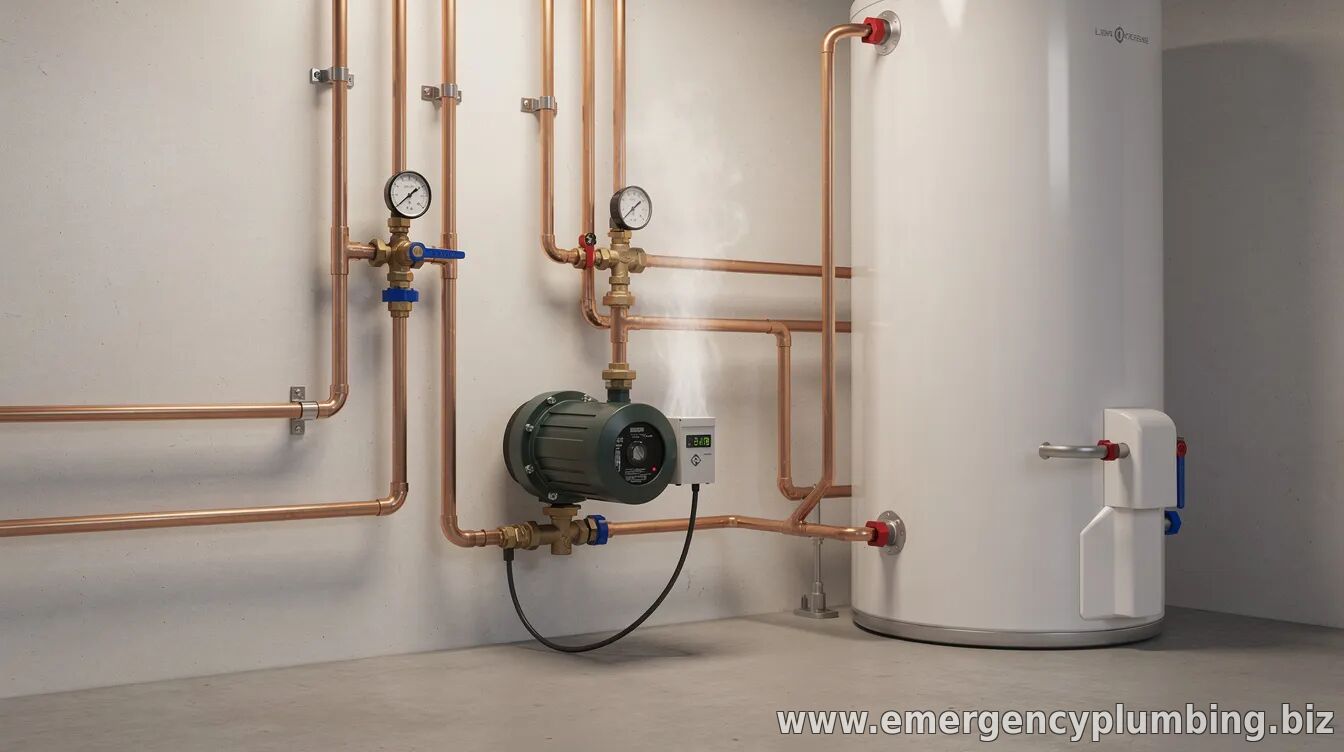
How it works is straightforward: a pump is installed in the hot water line or near the heater, creating a loop that keeps hot water moving slowly through the pipes. When you open a faucet, the cooler water in the line is pushed back toward the heater, and hot water is delivered almost immediately once the loop settles. Some systems use a dedicated return line; others rely on existing piping with a balancing valve and a check valve to minimize standby heat loss.
There are two common types: whole-house pumps that run continuously or on a timer, and demand or sensor-based systems that activate when you need hot water. Demand-based units are popular in homes with longer pipe runs because they conserve energy by circulating only when needed.
Before installing, homeowners should consider pipe length, footprint, and the location of the water heater. Longer runs benefit more from a recirculation system, but installers must account for standby heat loss and potential temperature drop along the loop. In some homes, retrofitting a recirculation loop can be invasive or costly, while others can adopt compatible retrofit kits that use the existing cold line for return flow.
Energy savings depend on usage patterns and how well the loop is insulated. Some studies suggest modest energy reductions, while others report greater efficiency in households with frequent hot water use. The key is balancing the pump’s operation with insulation and the length of piping to minimize heat loss.
Maintenance is typically simple: periodic checks for leaks, ensuring the pump is wired correctly, and confirming that the controller settings match household needs. Some models include smart controls that learn daily routines and adjust pumping times accordingly, which can further reduce waste.
Experts advise homeowners to obtain multiple quotes, verify compatibility with existing water heaters, and consider local codes or permitting requirements. A licensed plumber can assess pipe layout, valve placement, and electrical connections. When installed correctly, a hot water recirculation pump can offer faster hot water at the tap with manageable energy use.
| |
⏰ Dispatcher support 24/7
📞 224-754-1984CALL ☎ Subscribe 👆 FORUM 🗣
North Shore, Northwest suburbs of Chicago, IL
Next & Previous posts
Related articles: