

3:57 AM Water Heater Installation and Repair: Quick Guide for Homes | |
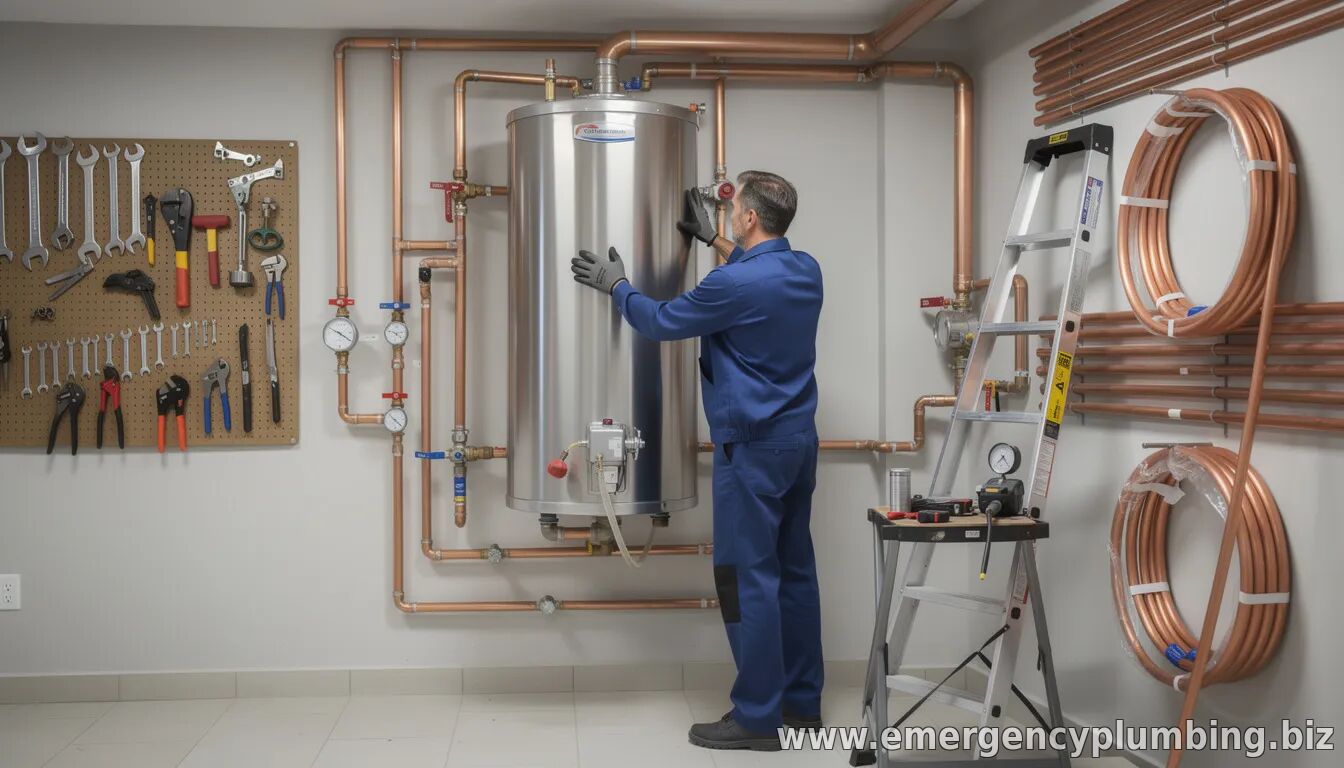
Water heaters are a critical but often overlooked part of home comfort. Whether you’re upgrading to a more efficient model or fixing a failing unit, understanding the basics can save time and money. This guide outlines practical steps, safety considerations, and what to expect during installation or repair. Key points at a glance: choose the right type (gas vs electric), assess space and venting needs, weigh energy efficiency options, and plan for routine maintenance to extend lifespan. 1) Determine the right type and sizeCommon residential options include tank-style electric, tank-style gas, and tankless models. Size depends on peak demand, number of occupants, and shower/bath usage. A professional can perform a load calculation to ensure the unit is neither undersized nor oversized, which affects efficiency and lifespan. 2) Installation considerationsSafety is paramount. Gas models require proper venting and gas line fittings, while electric units need adequate electrical service and correct circuit sizing. Location matters: choose a dry, accessible space with enough clearance for service and replacement. Local codes may dictate setbacks, seismic straps, and venting standards. Professional installation typically includes mounting, connections, venting (for gas models), pressure relief valve testing, and a leak check. If you’re replacing an old unit, ensure the new model’s inlet/outlet connections match the existing plumbing or plan for adapters. 3) Common repair considerationsLeaks, temperature fluctuations, and inconsistent hot water are frequent complaints. Typical fixes include replacing faulty thermostats, heating elements, or pressure relief valves, and addressing sediment buildup. For gas models, verify the pilot or ignition system, and gas pressure. For electric models, check circuit breakers and wiring integrity. Some repairs are straightforward, while others require licensed technicians, especially when gas lines or venting are involved. Regular maintenance—draining the tank annually, inspecting anodes, and testing safety devices—can prevent many issues. 4) Costs and timelinesInstallation costs vary by type, capacity, and locale, but homeowners commonly see a range from several hundred to several thousand dollars, plus potential permit fees. Repairs may cost less if the issue is a replaceable part, but extensive problems can drive up expenses. A professional assessment helps set realistic timelines and budgets. 5) Maintenance and tips for longevityDrain and flush the tank yearly to reduce mineral buildup. Check the anode rod every 1–3 years and replace it as needed. Test the temperature relief valve and reset the thermostat if hot water feels inconsistent. Consider upgrading to a higher-efficiency model or a tankless system if you want long-term energy savings. Taking proactive steps—from proper sizing to routine maintenance—can extend the life of your water heater and improve home comfort while controlling energy costs.
| |
⏰ Dispatcher support 24/7
📞 224-754-1984CALL ☎ Subscribe 👆 FORUM 🗣
North Shore, Northwest suburbs of Chicago, IL
Next & Previous posts
Related articles:
![]()