
REQUEST A QUOTE 📩

Submit the form, we'll contact you as soon as possible!


Name:
Email *:
Phone *:
Message *:
Select type of service *:
Your area *:
Add file (15 Mb MAX):
Security code *:

Emergency plumbing, plumber near me, service, HVAC, IL


How to Unclog a Drain Without Chemicals: Safe Steps

A clogged drain is one of the most common household problems, but chemical cleaners are not always the best first move. They can damage pipes, worsen certain clogs, and pose risks to people and pets.


Before you start, confirm what you’re dealing with. If the sink or tub backs up, smells foul, or drains slowly, the blockage is likely physical. If there’s standing water and repeated clogging, a deeper obstruction may be present.


Step 1: Remove what you can safely. If the clog is near the surface, take out the stopper/strainer and remove visible hair, food, or debris by hand. Use gloves and a flashlight to check around the drain opening, then rinse with hot water once you’ve cleared loose material.


Step 2: Use hot water the safe way. For many minor clogs, running the tap with the hottest safe water can help dissolve grease. Start with a short flush, wait a few minute ... Read more »

05/13/2026 112 0
Why Is My Water Bill So High? 7 Hidden Leaks to Check

If your water bill has jumped without a clear change in habits, the most common culprit is water leaking somewhere in your home or property. The good news: you can often narrow down the problem quickly with a few checks that don’t require special tools.


Start with the “leak test”


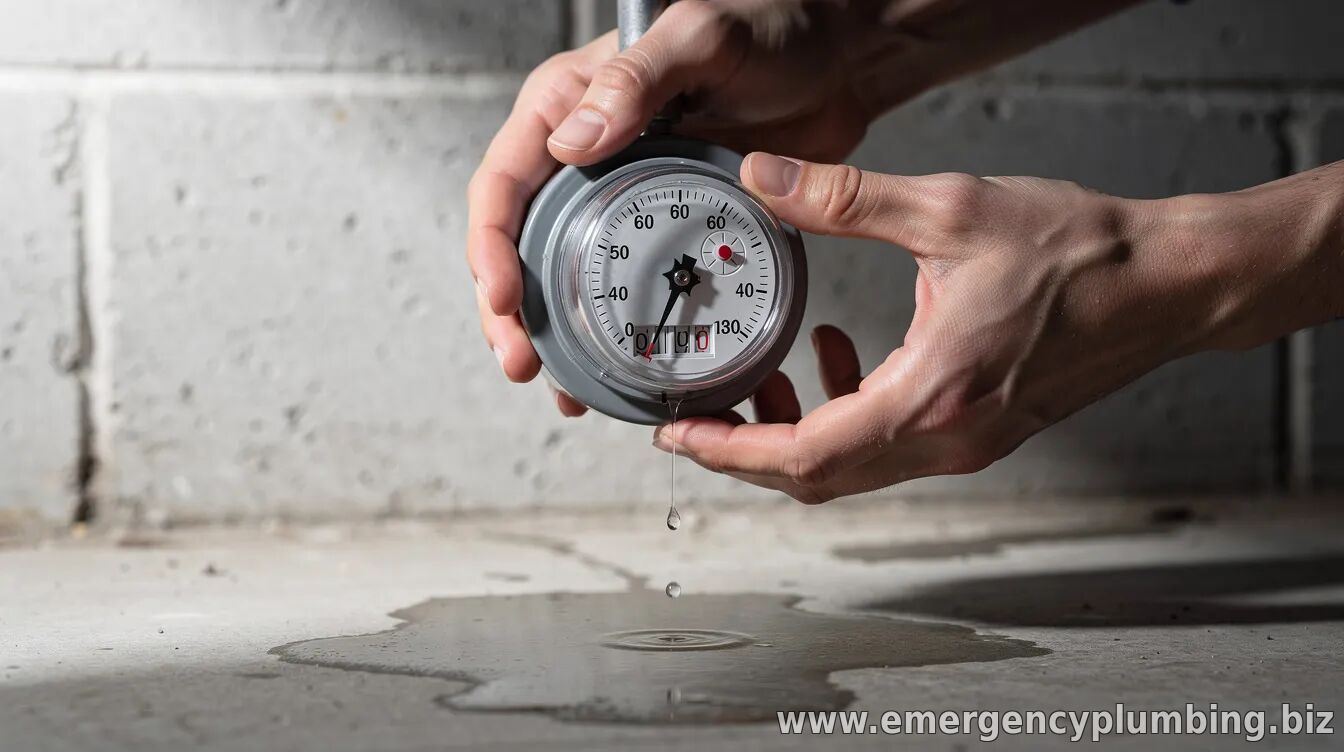
Before you inspect fixtures, confirm whether water is running when it shouldn’t. Turn off all faucets, stop using laundry/dishwashers, and make sure sprinklers are off. Then check your water meter—if it continues to move, you likely have a leak somewhere on your side of the meter.


7 hidden leaks to check


Once you’ve confirmed ongoing flow, inspect the likely areas below. Even small leaks can add up over days and show up as a noticeably higher bill.


  • Toilet leaks: A flapper that doesn’t fully seal, a worn fill valve, or a s ... Read more »
05/12/2026 97 0
10 Simple Habits to Extend the Life of Your Plumbing

Plumbing failures rarely begin as catastrophic events. More often, they develop slowly from worn parts, mineral buildup, and small leaks that go unnoticed. The good news: many longevity problems can be reduced with straightforward habits that cost little time or money.


1) Fix small leaks immediately


A dripping faucet or a slowly running toilet can waste large amounts of water and quietly damage fixtures and surrounding materials. Addressing leaks early helps prevent corrosion, water damage, and higher utility bills.


2) Don’t flush “non-flushable” items


Even products labeled as safe can contribute to clogs. Avoid flushing wipes, dental floss, grease, cotton swabs, and feminine hygiene products. For toilet-safe paper, use only what is designed to break down quickly.


3) Use drain strainers


Hair, soap residue, and small f ... Read more »

05/11/2026 82 0
Why Pipes Freeze in Winter and How to Prevent It

As winter temperatures fall, household plumbing can be at risk—especially where pipes run through unheated spaces. When water inside supply lines gets cold enough, it can freeze, expanding and sometimes cracking pipes, leading to leaks or flooding when the ice thaws.


Most freeze-related problems start with exposure. Pipes in exterior walls, crawl spaces, garages, basements, and along uninsulated exterior runs often cool faster than plumbing inside heated rooms. Wind and drafts can worsen the drop in pipe temperature, even when the air temperature isn’t extremely low.


Freezing typically begins at the weakest points: joints, valves, and sections with poor insulation. A small ice plug can form, blocking flow. In supply lines, continued freezing can increase pressure in nearby sections and contribute to ruptures—particularly when the pipe is trapped and water can’t relieve expanding ice.


How ... Read more »

05/10/2026 93 0
« 1 2 ... 13 14 15 16 17 ... 96 97 »