

REQUEST A QUOTE 📩

Submit the form, we'll contact you as soon as possible!


Name:
Email *:
Phone *:
Message *:
Select type of service *:
Your area *:
Add file (15 Mb MAX):
Security code *:

Emergency plumbing, plumber near me, service, HVAC, IL


How often should a sump pump be checked?

Keeping a sump pump in good working order is essential for avoiding basement flooding during heavy rain or rapid snowmelt. For most homes, a routine check every month plus a more thorough seasonal inspection is enough to catch issues before they fail.


Monthly quick checks — In a quick 5-minute cycle, test the pump by pouring a small amount of water into the sump pit to ensure the float rises and the pump activates. Listen for the motor running smoothly and check that discharge lines are clear. While you test, look for signs of corrosion, leaks, or unusual noises.


Seasonal and annual checkpoints — At least once a season, remove any debris from the pit, verify the power connection, and inspect the electrical outlet and GFCI protection. Check the sump’s backup system (battery-powered pump or water-powered backup) if you have one, testing it according to the manufacturer’s instruction ... Read more »

03/07/2026 20 0
How Often Should Hydro Jetting Be Done? A Homeowner’s Guide

Hydro jetting uses high-pressure water to scour the inside of pipes, removing grease, mineral deposits, and roots that mechanical snakes can miss. It is effective for main lines and interior drains, but how often you should do it isn’t a one-size-fits-all answer. The right interval depends on several factors, including pipe material, age, and the level of use in your home.


Typical intervals: For many households, a preventative hydro jetting every 1–3 years is common for main sewer lines and frequently-used interior drains. Homes with heavy grease loads, frequent kitchen use, or older clay or cast-iron pipes may benefit from more frequent service, while newer PVC lines with little buildup might go longer between sessions.


Why intervals vary: Pipe material can influence how quickly debris accumulates. Grease-laden or mineral-heavy waste, tree roots near the sewer line, and infrequent maintenanc ... Read more »

03/07/2026 17 0
Pipe Replacement: When to Replace Old, Damaged Pipes

Pipes age and wear differently depending on material, climate, and maintenance. When corrosion, frequent leaks, low water pressure, or discolored water persist despite repairs, it’s often a sign that replacement is the most cost-effective long-term solution. A professional inspection can help determine whether repair or full replacement is warranted.


When to consider replacement


Common indicators include persistent leaks in multiple locations, sudden spikes in water bills with no clear cause, visible corrosion or rust on pipes, and frequent repair visits. If your home has older materials such as lead, galvanized steel, or certain polybutylene systems, replacement is often recommended for safety and reliability.


Replacement options


Contractors typically offer several approaches depending on the house layout and budget:

03/01/2026 34 0
Pipe Repair: Diagnostics and Fixes from a Local Specialist

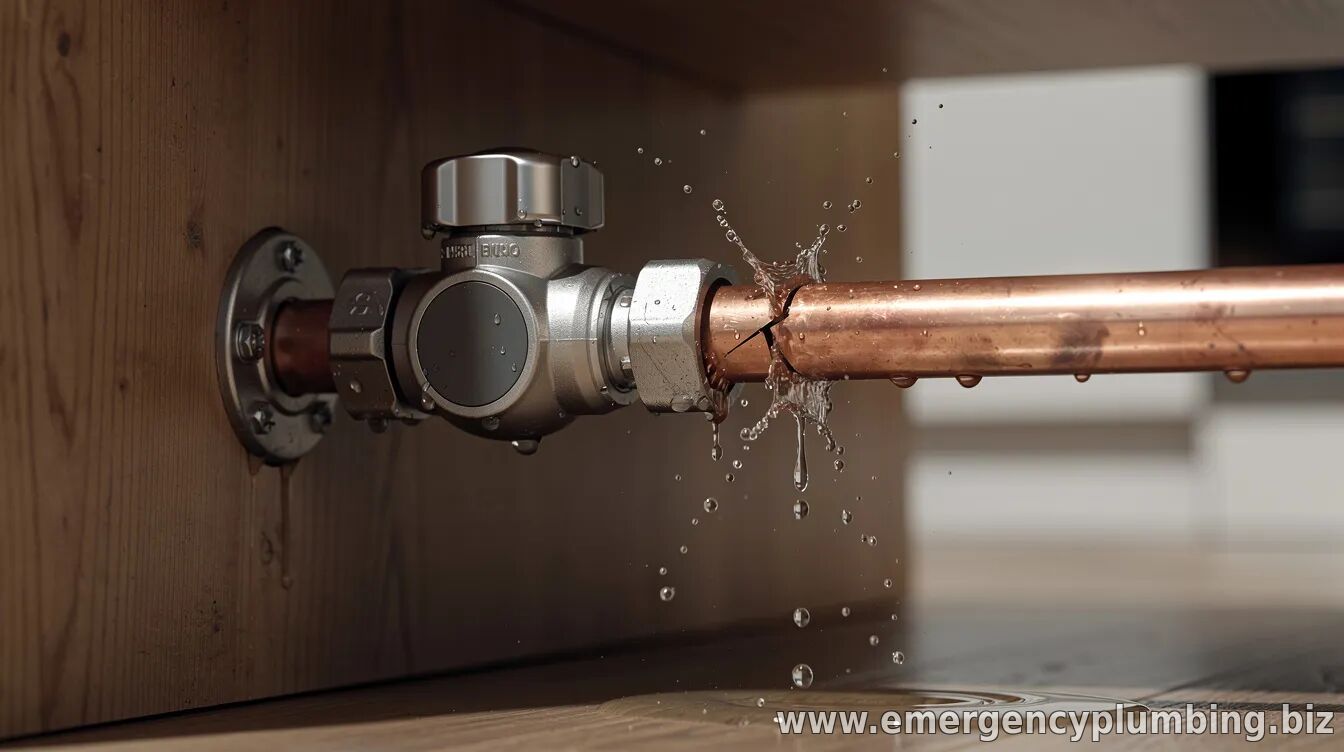
Emergency leaks, unusual odors, or low water pressure can signal hidden pipe problems. A local plumbing expert explains how a proactive diagnostic approach helps identify the root cause before costly damage occurs. From acoustic sewer testing to camera inspections, modern tools allow technicians to pinpoint issues without invasive digging.


Once the problem is identified, repair options are presented with clear pricing and timelines. Common fixes include replacing corroded sections, repairing leaks at joints, or rerouting pipes to alleviate pressure and improve flow. The goal is to restore reliability while minimizing disruption to daily life or operations.


Technicians emphasize prevention as part of any repair plan. Routine maintenance, seasonal inspections, and the use of corrosion-resistant materials can extend pipe life. Homeowners are advised to monitor for telltale signs such as damp spots, dampened walls, and unusually high water b ... Read more »

03/01/2026 27 0
« 1 2 3 4 ... 65 66 »