

REQUEST A QUOTE 📩

Submit the form, we'll contact you as soon as possible!


Name:
Email *:
Phone *:
Message *:
Select type of service *:
Your area *:
Add file (15 Mb MAX):
Security code *:

Emergency plumbing, plumber near me, service, HVAC, IL


Fall HVAC Tune-Up: What to Check Before Winter in Illinois

Illinois homeowners typically start thinking about heating systems in late fall—often after temperatures dip and the first heating call reveals problems. A proactive HVAC tune-up before winter can reduce the odds of emergency repairs, help your system run more efficiently, and support healthier indoor air.


Start with performance and basic safety checks


Before adjusting anything, confirm your thermostat settings and verify the system can safely start and stop. Check that vents and returns are not blocked by furniture, rugs, or storage items. Then inspect visible components for signs of wear, damage, or unusual corrosion—especially around the furnace or air handler.


Also ensure your carbon monoxide (CO) detectors are working properly. A functioning CO alarm is one of the most important safety steps, particularly before the system runs harder during colder months.


Inspect airf ... Read more »

05/23/2026 140 0
Water Quality in Lake Forest: Homeowners’ Key Checks

Water quality is one of those issues that rarely stays “set and forget.” Even in well-managed systems, changes in rainfall, aging infrastructure, and local land use can affect what ends up in your tap. For residents in Lake Forest, knowing the right checks—and doing them at the right time—can help ensure safer drinking water at home.


Start with the source: utility water vs. a private well


The first question for any homeowner is where their water comes from. Many Lake Forest households receive treated water through a municipal or community provider, while others may rely on private wells. The risk profile and the best next steps differ: utility customers should focus on public testing results and household plumbing considerations, while private-well owners need a more hands-on testing plan.


Know what to look for in public reports


If you get water from a utility, ... Read more »

05/22/2026 145 0
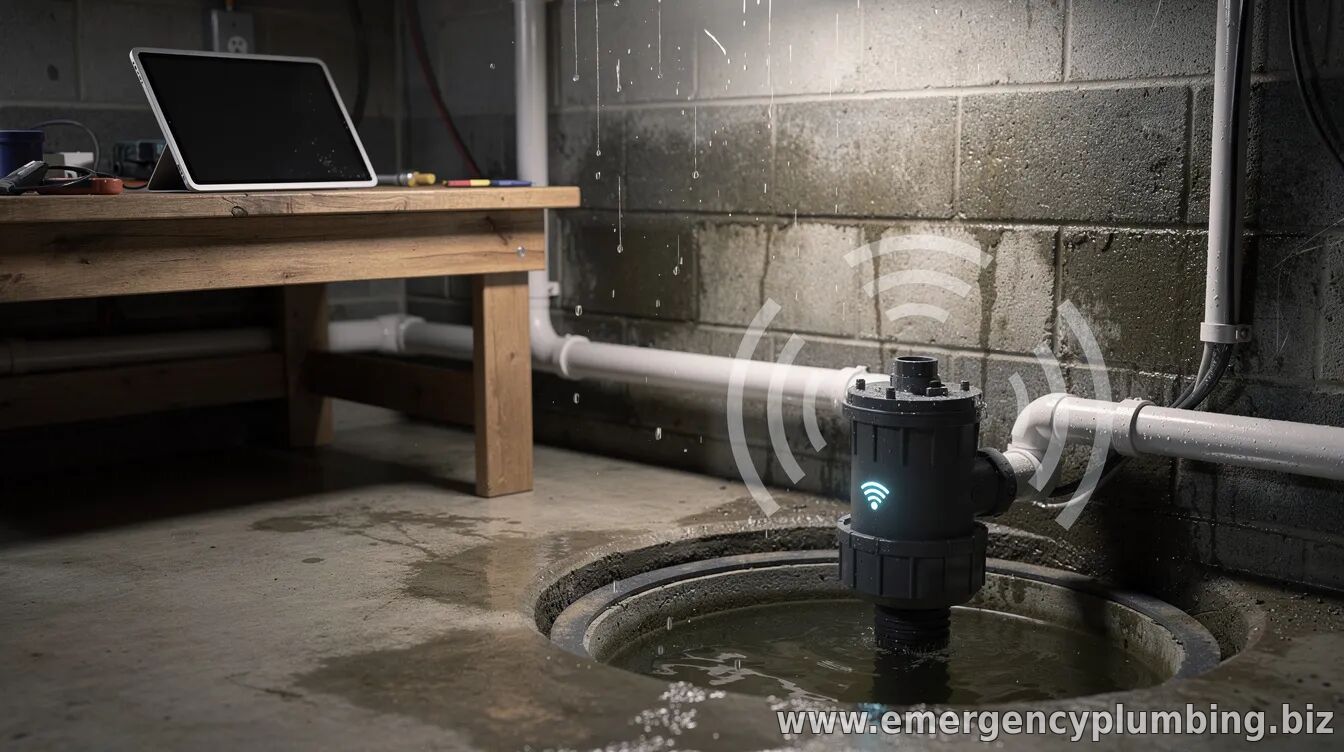
Battery Backup Sump Pumps vs. Water-Powered Pumps

A sump pump is one of the most important safeguards for homes prone to flooding, but heavy storms and power failures can still leave basements vulnerable. Two common backup approaches—battery backup sump pumps and water-powered sump pumps—handle outages differently, with distinct trade-offs for reliability, installation, and ongoing upkeep.


Battery backup sump pumps: steady power during outages


Battery backup sump pump systems use a dedicated battery (often with a charger and alarm) to run the primary pump when electricity goes out. Many setups automatically switch over during an outage, helping keep water from rising while the grid is down.


Key advantages include controlled performance during outages and broad compatibility with many sump pump installations. Battery systems are also typically designed to respond quickly when the float switch signal ... Read more »

05/21/2026 155 0
How Long Does a Sewer Line Last? Typical Lifespans and Signs

Homeowners rarely think about sewer lines until there’s a backup, foul odor, or a drain that suddenly won’t clear. But knowing how long a sewer line typically lasts—and what speeds up failure—can help you plan maintenance and avoid emergency repairs.


Typical sewer line lifespans by material


The expected service life varies widely because sewer pipes are built from different materials and installed under different conditions. In many residential settings, a sewer line can last:


  • Clay (common in older homes): often 30 to 60 years
  • Cast iron: commonly 50 to 75 years
  • ABS/PVC (plastic): frequently 50 to 100+ years
  • Brick/stone and older masonry joints: can fail earlier due to mortar and joint deterioration


Even when pipes are still pres ... Read more »

05/20/2026 149 0
« 1 2 ... 24 25 26 27 28 ... 110 111 »