

REQUEST A QUOTE 📩

Submit the form, we'll contact you as soon as possible!


Name:
Email *:
Phone *:
Message *:
Select type of service *:
Your area *:
Add file (15 Mb MAX):
Security code *:

Emergency plumbing, plumber near me, service, HVAC, IL


Low Home Water Pressure: Common Causes and Fixes

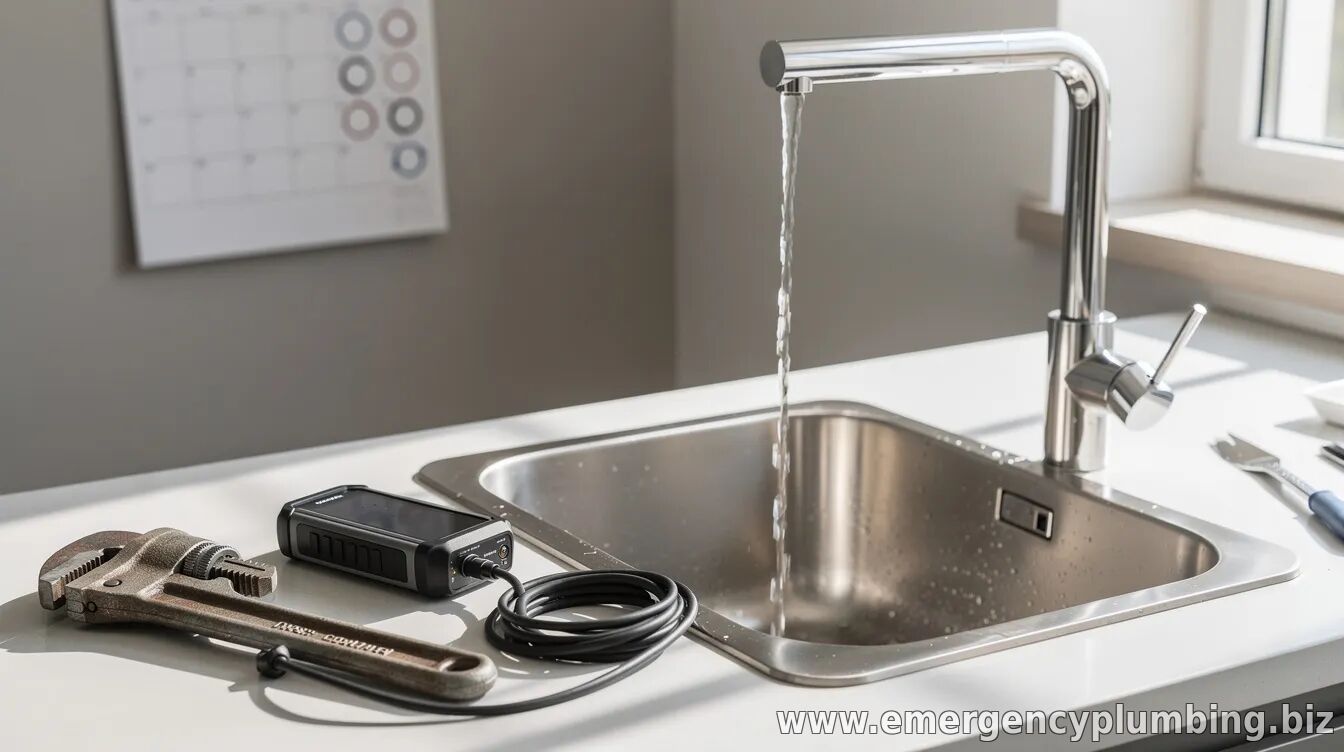
Low water pressure is a frequent home maintenance complaint, and the cause can range from a minor blockage to a system-wide water-supply problem. The key is figuring out whether the pressure drop is limited to one faucet or affects the entire house—because that determines where to look first.


1) Check if the problem is localized or whole-house


Start by testing multiple fixtures. If only one tap (such as a kitchen sink) is weak, the issue is often confined to that fixture or its supply line. If pressure is low at every faucet and shower, the problem may involve the home’s main shutoff valve, a pressure regulator, sediment buildup, or the municipal supply.


2) Common culprits inside the home


One of the most frequent causes is a partially clogged aerator or showerhead. Mineral deposits can restrict flow, especially in areas with hard water. Another possibility is a buildup of ... Read more »

04/27/2026 71 0
Tankless vs. Tank Water Heaters for Chicago Homes

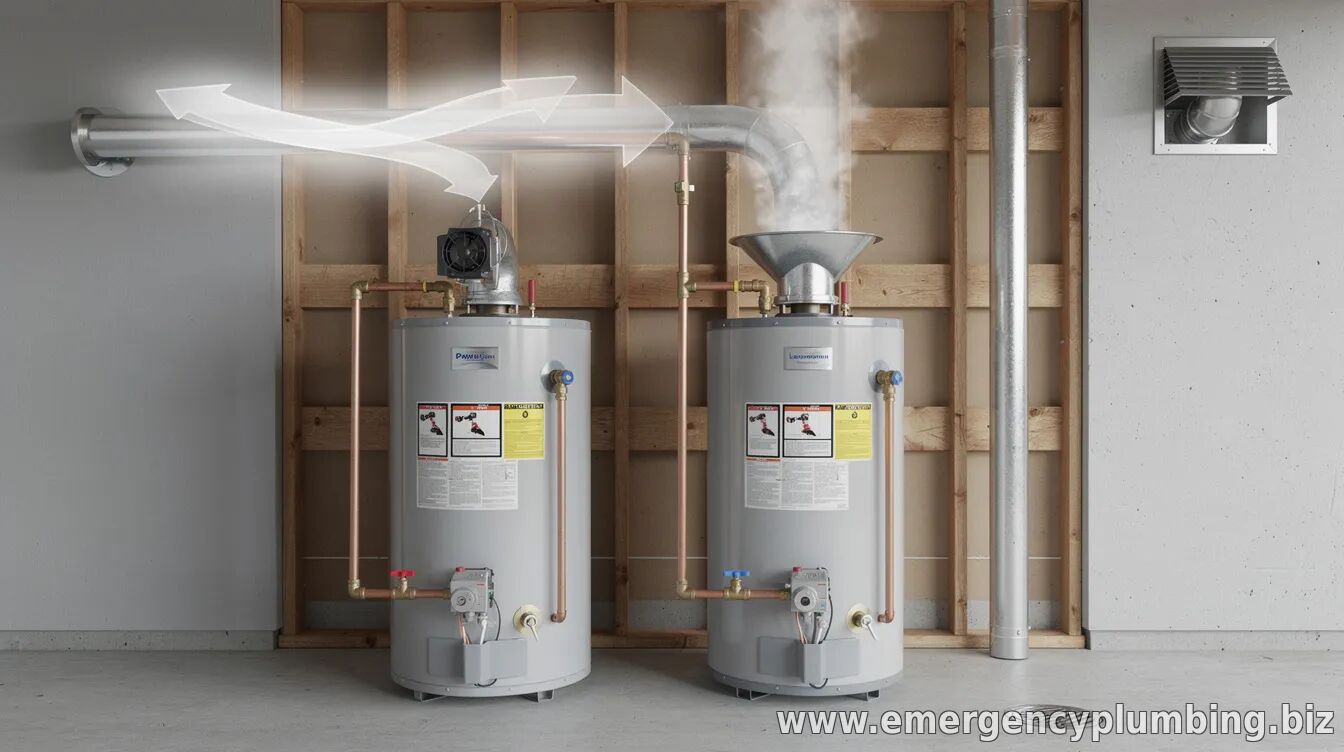
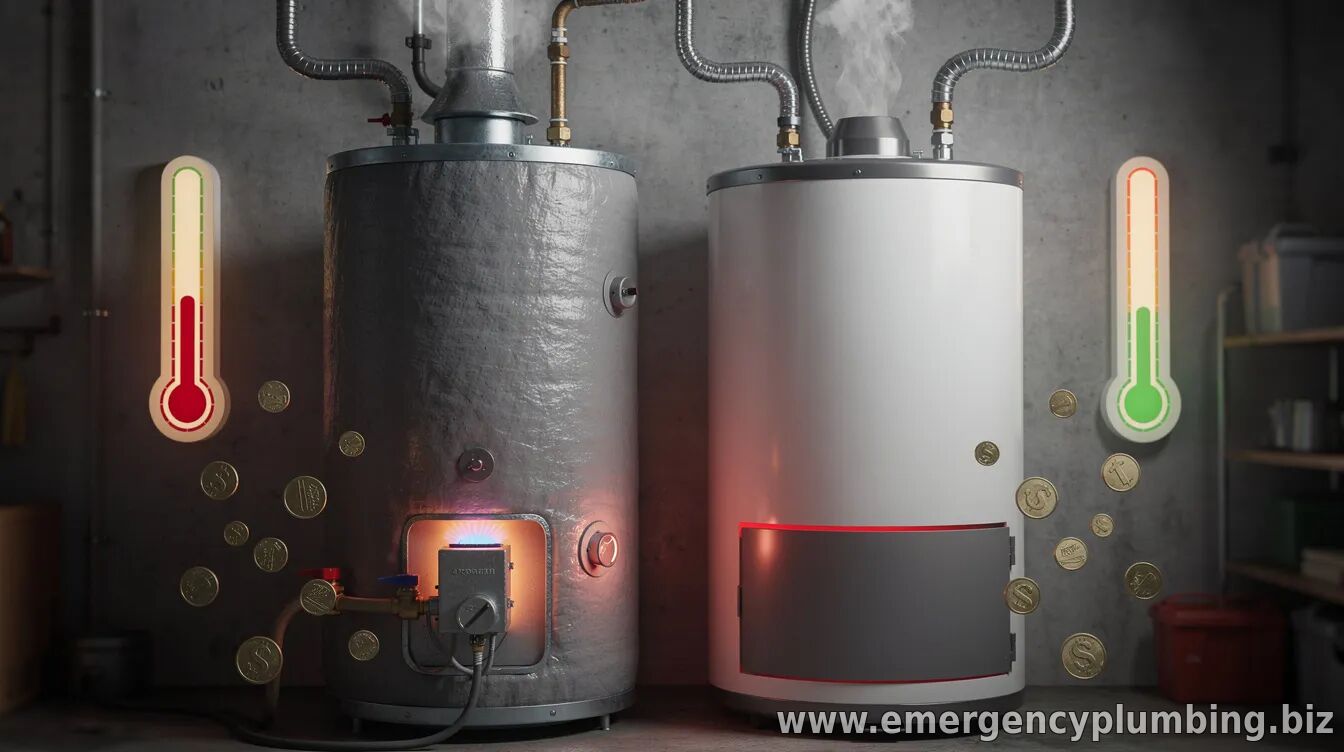
For many homeowners in the Chicago area, the choice between a tankless and a traditional tank water heater is more than a comfort question—it’s an energy and reliability decision shaped by winter temperatures, household size, and daily hot-water habits. Both systems can deliver hot water reliably, but they do so in very different ways.


Tank water heaters store heated water in an insulated tank and deliver it as you use hot water. Tankless units heat water on demand, so they only run when a faucet, shower, or appliance calls for hot water.


How each system performs in Chicago winters


Chicago-area winters can test hot-water systems because incoming water temperatures often drop significantly. With a tank heater, this mainly affects how often the unit cycles to maintain the stored temperature. With a tankless equipment, colder incoming water can slightly reduce flow rate or require the unit to work hard ... Read more »

04/27/2026 77 0
24/7 Emergency Plumbing Help: Experts Ready Anytime

Emergency plumbing incidents—such as burst pipes, major leaks, or sudden loss of water—can escalate quickly and cause significant damage. That’s why Emergency Plumbing positions its team to respond at any time of day or night.


The company states that its plumbing experts work 24 hours a day, 365 days a year, aiming to provide help promptly when residents and businesses need it most. With emergencies occurring without warning, the goal is to reduce downtime and limit potential property impact.


For many customers, time is the deciding factor. Water damage can spread fast, and delays can lead to higher repair costs. By maintaining continuous availability, the service highlights its commitment to being reachable during weekends, holidays, and overnight hours.


What customers can expect is an emergency-focused approach designed for urgent situations. Fr ... Read more »

04/26/2026 86 0
Key steps for water treatment installation and maintenance

Water treatment systems protect communities by removing contaminants and ensuring reliable, clean supply. But the benefits depend on getting installation right the first time—and keeping performance stable through regular maintenance and monitoring.


Start with site assessment and design


Before installation, operators typically conduct a site assessment to understand source water quality, seasonal changes, and local operating conditions. System design should be based on measured parameters such as turbidity, microbial indicators, hardness, and chemical composition, ensuring the equipment is sized and configured for actual demand.


Design decisions—like whether to use filtration, disinfection, softening, or specialized treatment—also need to account for worst-case water quality and required treatment targets. A well-documented design reduces the chance of underperformance after commissioning.

... Read more »
04/25/2026 80 0
« 1 2 ... 7 8 9 10 11 ... 87 88 »