
2:04 AM Furnace Repair vs. Replacement: How to Decide | |
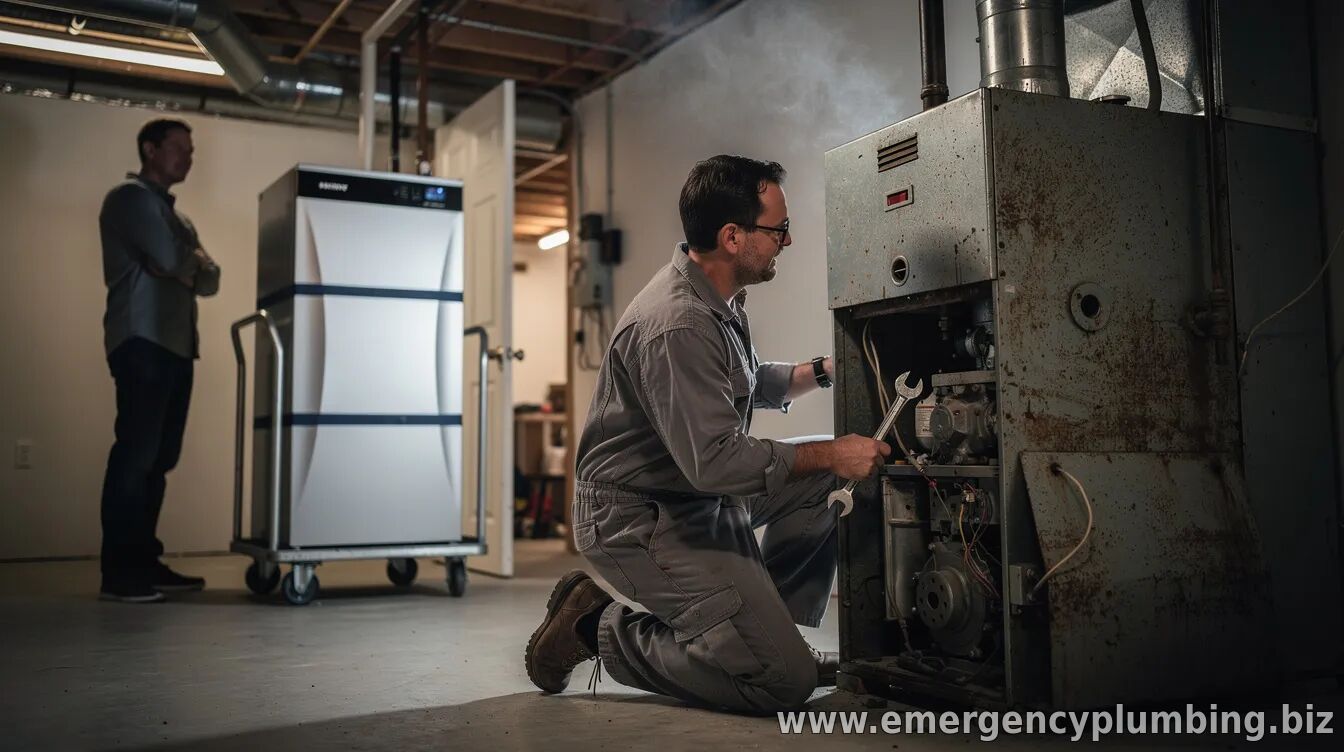
A failing furnace is stressful—especially when the heat goes out in the middle of winter. The hard part isn’t diagnosing the problem; it’s deciding whether repairs are a smart short-term fix or whether replacement will save money and hassle in the long run.
While every home and system is different, there are common indicators that help homeowners make a clear, financially sound decision. Start with the furnace’s age
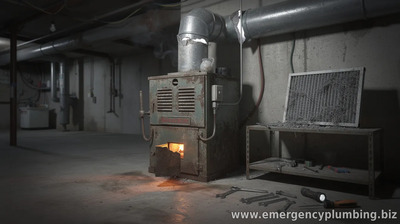
Many furnaces have a typical lifespan of about 15–20 years, depending on fuel type, maintenance history, and operating conditions. If your furnace is approaching or past that range, repeated breakdowns can be a sign you’re nearing end-of-life rather than dealing with a single isolated failure.
Even if a repair works temporarily, older systems may continue to develop new issues because components wear out around the same time. Consider how often you’re paying for repairs
Frequent service calls are a major “replace” signal. If you’re repairing the same furnace multiple times within a short period—or if you’ve had several different problems (ignition, burners, blower motor, heat exchanger)—replacement may be more cost-effective than patching together new parts.
As a rule of thumb, if repairs are becoming routine, the furnace is often no longer performing reliably enough to justify continued spending. Evaluate efficiency and rising energy bills
A furnace that’s losing efficiency can increase heating costs even when it’s technically running. If you’ve noticed higher utility bills without an obvious explanation (like a drafty home), the system may be struggling to heat effectively.
Newer furnaces typically deliver better efficiency. In some cases, improved performance can offset the higher upfront cost of replacement over time—especially when fuel costs are high. Watch for safety and comfort red flags
Some furnace issues are not just expensive—they can be unsafe or harmful to comfort. Warning signs include unusual smells, persistent soot, repeated ignition failures, significant temperature swings, or any indication of problems with combustion.
In particular, the heat exchanger is a critical component. If a technician flags a heat exchanger issue, the safest long-term choice is usually replacement rather than continued repair attempts. Compare the cost of repair to replacement
Homeowners often use a straightforward comparison: if the cost of a major repair is close to (or exceeds) a large portion of a new unit’s installed price, replacement can be the better investment. For example, replacing a furnace soon after paying for an expensive component may deliver more predictable performance and fewer future breakdowns.
Request an itemized estimate and ask the technician to clarify what is being repaired, why it failed, and whether other components are likely to fail next.
Also factor in incentives. Rebates, utility programs, and tax credits (where available) can reduce replacement costs, making it easier to justify upgrading to a more efficient system.
The best decision balances reliability, safety, total cost over time, and expected remaining life. A good approach is to schedule an inspection, get the diagnosis in writing, and ask for both repair and replacement options—then weigh them against the furnace’s age, repair history, and efficiency.
If your furnace is older, breaking down often, costing more to run, or presenting safety concerns, replacement is often the smarter move. If it’s newer and the issue is isolated and low-cost, repair may be the right solution.
| |
⏰ Dispatcher support 24/7
📞 224-754-1984CALL ☎ Subscribe 👆 FORUM 🗣
North Shore, Northwest suburbs of Chicago, IL
Next & Previous posts
Related articles: