

3:34 AM Can a Water Heater Affect Home Water Pressure? | |
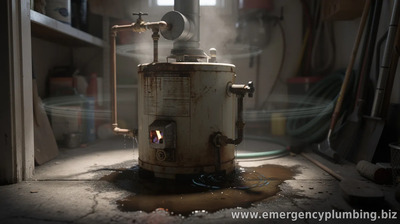
If you notice lower water pressure at your sinks or showers, the cause isn’t always the main water supply. In many homes, the water heater can affect how pressure and flow feel—most noticeably for hot water, but sometimes throughout the system depending on the setup. What a water heater actually controls
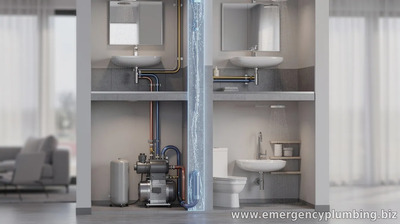
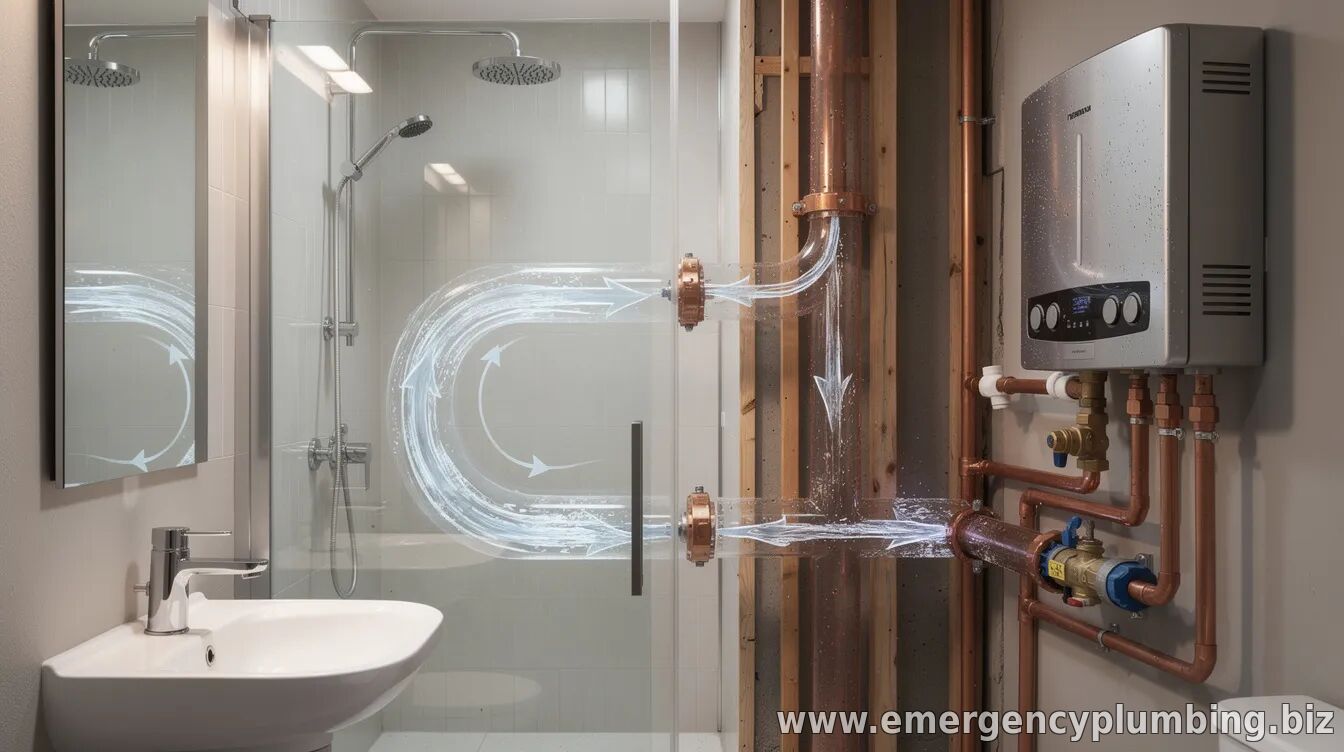
A typical tank water heater doesn’t just heat water—it also acts as a point in your plumbing where water moves through valves, dip tubes, heat exchanger surfaces, and (in some systems) circulation equipment. If any of those components restrict flow, you may experience reduced pressure when hot water is running. Common heater-related reasons for low “pressure”
Sediment buildup (tank models): Minerals settle at the bottom of tank heaters over time. As sediment thickens, it can reduce heat transfer and restrict water movement, which often shows up as weak hot-water flow or pressure.
Clogged dip tube or internal passages: In many tank heaters, a dip tube carries incoming cold water to the bottom of the tank. If the dip tube (or related internal passages) becomes blocked or degraded, hot-water flow can drop.
Failing thermostat or overheating/temperature issues: Temperature controls can affect how efficiently the heater operates. While this may not always “lower pressure,” it can cause inconsistent hot-water performance that feels similar to a pressure problem.
Pressure-reducing valve (PRV) or check valve problems: Homes with a PRV, backflow preventer, or check valve can experience changes in pressure and flow if these devices stick, fail, or are misadjusted. Some setups connect these components near the heater, making the heater seem like the culprit.
Expansion tank issues (some systems): If your home uses a closed system with an expansion tank, a failed or mischarged expansion tank can create plumbing stress and unusual flow behavior—sometimes affecting how the system regulates pressure. Quick ways to tell if the water heater is the source
Start with simple comparisons:
What you can do next
If you suspect heater involvement, the next steps depend on your system type:
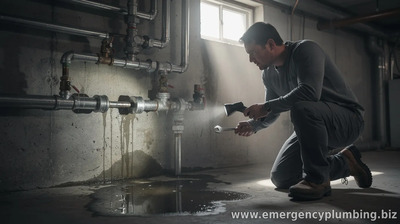
If you have persistent low hot-water flow, frequent temperature swings, or signs of leaks, it’s safer to have a licensed plumber diagnose the system. They can measure pressure, evaluate valves and internal components, and determine whether the heater needs service or replacement.
By comparing hot vs. cold performance and checking the heater’s operational history, you can usually narrow down whether the water heater is truly affecting water pressure—or whether the issue lies in the broader plumbing.
| |
⏰ Dispatcher support 24/7
📞 224-754-1984CALL ☎ Subscribe 👆 FORUM 🗣
North Shore, Northwest suburbs of Chicago, IL
Next & Previous posts
Related articles: