

2:31 AM Plumbing Work Warranties: What to Expect | |
When you hire a plumber, you’re not just paying for a completed repair—you’re also looking for peace of mind. A warranty can help protect you if something fails soon after the work is done. But the “right” warranty depends on the scope of the plumbing job, the parts used, and the agreement you sign.
In general, a solid plumbing warranty covers two categories: (1) labor (the contractor’s workmanship) and (2) materials (the plumbing parts installed). Some warranties focus mainly on one or the other, so it’s important to ask what is included and for how long. Common warranty ranges for plumbing repairs
For smaller residential repairs—such as fixing leaks, replacing a faucet or toilet component, or repairing a section of pipe—it’s common to see warranties that run from 30 days to 1 year. Many contractors will offer a shorter workmanship period for minor visits and a longer period for higher-risk installs or more involved repairs.
For larger projects—like water heater replacements, sewer line repairs, or repiping—warranty terms are often longer, sometimes extending to 1–3 years for labor and potentially longer for specific parts. Also, many plumbing warranties distinguish between an issue caused by defective installation (labor coverage) and an issue caused by external factors (which may not be covered). Manufacturer vs. workmanship warranties
Not every warranty is created equal. Some components come with manufacturer warranties (for example, a new water heater, pressure regulator, or cartridge in a fixture). Those warranties may cover the part for a set time, while the plumber’s warranty covers labor to diagnose and repair the problem.
In practice, customers often expect “the warranty” to cover everything—only to discover that the coverage is split. A smart approach is to ask the plumber to list both: the labor warranty and the manufacturer warranty for materials they install. What to look for in the warranty terms
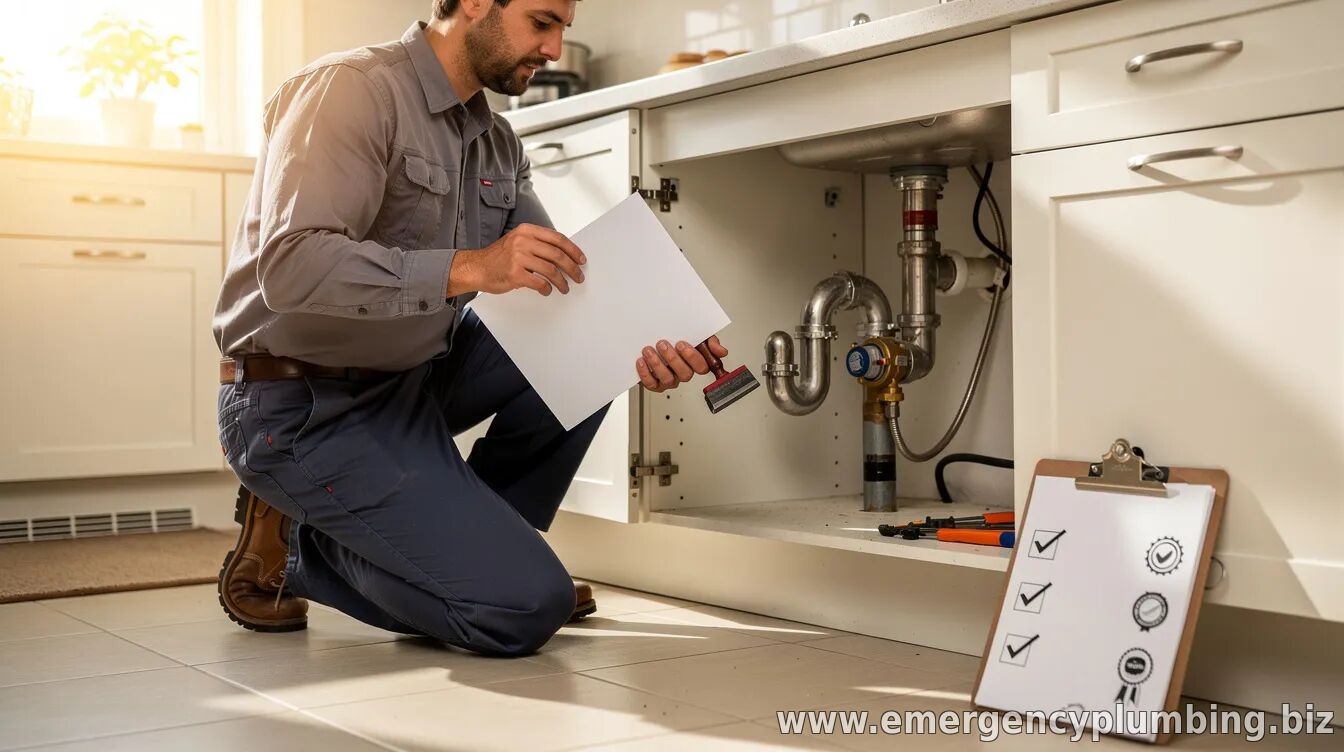
A clear, customer-friendly warranty usually includes several specifics. Before work begins, request these details in writing:
If the plumber offers only a verbal “we’ll take care of it” promise, ask whether it can be documented in the estimate or service agreement. Written terms reduce confusion if you need help later. Red flags and questions to ask
Be cautious if a warranty is vague, extremely short, or unavailable for the type of work you’re purchasing. Also, ask whether the plumber will cover diagnosis and follow-up if an issue arises. Some warranties cover the fix but not the initial troubleshooting visit; that difference can materially affect your out-of-pocket cost.
Helpful questions include: “What happens if the leak returns after the repair?” and “Does the warranty cover labor for the same issue, and for how long?” For replacements, ask: “Is the warranty tied to workmanship, the installed parts, or both?” How warranty protections typically apply
Warranty coverage is usually intended for problems that are connected to the original work. For example, if a newly installed valve leaks due to a workmanship issue, labor coverage may apply. However, if a failure results from a separate plumbing system problem—such as a sudden change in water pressure unrelated to the installation—the contractor may deny coverage or offer reduced assistance.
To help warranties apply smoothly, keep your service paperwork, note the date the work was completed, and report issues promptly. Delays can create disputes about whether the failure is truly related to the original work. Bottom line
While there’s no single universal warranty across all plumbing work, most customers should expect some combination of a labor warranty and materials coverage, often ranging from 30 days to 1 year for smaller repairs and longer for larger installs and certain components. The best outcome comes from confirming the warranty terms in writing before the plumber begins.
| |
⏰ Dispatcher support 24/7
📞 224-754-1984CALL ☎ Subscribe 👆 FORUM 🗣
North Shore, Northwest suburbs of Chicago, IL
Next & Previous posts
Related articles: