

5:22 AM How to Read a Plumbing Quote: Line-Item Guide | |
Plumbing quotes often bundle labor, parts, diagnostics, and risk buffers into a set of line items that aren’t always explained clearly. Learning how to read each item helps you spot what’s included, what’s optional, and what might change once the plumber can access the full scope of work. Start with the quote basics: scope, warranty, and schedule
Before diving into numbers, look for a clear description of the work being quoted (the “scope of work”), the expected timeline, and any warranty or guarantee terms. If a quote doesn’t specify what problem is being solved—or how success is measured—it can be difficult to compare to other estimates. Labor charges: hourly rates vs. flat service fees
Many quotes separate labor into categories. You might see an hourly labor rate (often with a minimum charge), a flat diagnostic fee (for locating leaks or diagnosing clogs), or a base “service call” charge. Ask how many hours the plumber expects the job to take, and whether the technician is charging travel time separately.
Common labor language to note: “standard hours” vs. “after-hours/emergency,” “minimum labor” requirements, and whether the quote includes return visits if the issue is partially resolved. Materials and parts: what’s included and how it’s priced
Material line items typically include parts such as valves, fittings, replacement fixtures, pipe sections, washers, seals, or disposal fees for removed components. Quotes may list parts individually, group them under “plumbing supplies,” or provide a “materials cost estimate” with a markup.
If you want tighter cost control, confirm whether materials are listed at retail price, at cost plus a percentage, or with a capped budget. Also check whether you can approve specific part choices (for example, brand/type of valve or fixture) before installation. Service diagnostics and specialty work
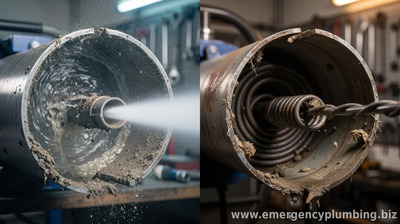
For leak detection or drain issues, plumbing quotes sometimes include specialized diagnostic fees. These may cover camera inspection for sewer or drain lines, pressure testing, locating equipment, or access procedures (like removing small sections of wall or ceiling to reach the source).
Make sure the quote states what the diagnostic is expected to determine. For example, a camera inspection might identify a blockage location but still require additional repair steps once the underlying cause is confirmed. Permits, inspections, and code compliance
Some plumbing work requires permits or inspection, depending on your location and the type of repair (especially replacements involving gas lines, major drain modifications, or significant remodel work). Look for separate line items labeled permits, inspection fees, or “code compliance.” If permits are included, the quote should indicate who will apply and schedule inspections.
If permits are not included, ask whether the estimate assumes “permit required” work is optional or excluded. Getting this wrong can lead to additional costs or delays later. Access, removal, and disposal: the hidden scope items
Line items for access and cleanup often determine whether a quote feels “complete” or surprisingly expands after the plumber arrives. You may see charges for demolition or removal (for example, opening a wall), patching or reinstating access, and disposal of old materials.
If the quote includes a repair that requires opening surfaces, clarify whether drywall patching, flooring reinstatement, or paint touch-ups are included or billed separately—especially if you expect to keep finishes intact. Contingencies and “as needed” allowances
Many quotes include contingency allowances for unknown conditions, which is normal for plumbing work once walls or underground lines are exposed. Look for phrases such as “allowance,” “estimated,” “may be required,” or “additional charges if discovered.”
To prevent budget surprises, ask for a range or cap on allowances and what triggers additional billing. A good quote explains the decision points and how you’ll be notified before extra work is performed. Taxes, trip charges, and payment terms
Finally, check the fine print: sales tax handling, trip or mileage charges, minimum service-call times, and payment terms. If the quote includes “net terms” or deposit requirements, make sure you understand when payments are due and whether the warranty starts on the installation date or the completion date.
When comparing quotes, focus on apples-to-apples scope. The lowest price isn’t always the best deal if it omits materials, excludes patching, or understates labor time. Conversely, a higher quote can be better value if it clearly includes permits, disposal, testing, and a specific warranty.
If you’re unsure about any line item—especially diagnostics, access charges, and contingencies—ask for a brief written explanation. A reputable plumber should be able to translate the estimate into plain language and confirm what’s included, what’s optional, and what could change once the work begins.
| |
⏰ Dispatcher support 24/7
📞 224-754-1984CALL ☎ Subscribe 👆 FORUM 🗣
North Shore, Northwest suburbs of Chicago, IL
Next & Previous posts
Related articles: