

0:56 AM Grease Traps vs. Garbage Disposals: North Shore Guide | |
With more people cooking at home and eating in, North Shore households are seeing a familiar plumbing issue: grease buildup in sewer lines. When fats, oils, and food scraps go down the drain, they can contribute to blockages and costly repairs. That’s why homeowners comparing grease traps and garbage disposals need to understand what each system is designed to handle.
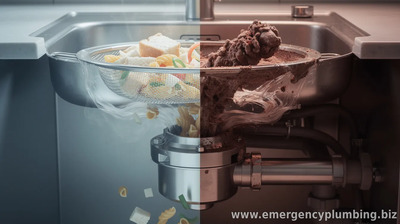
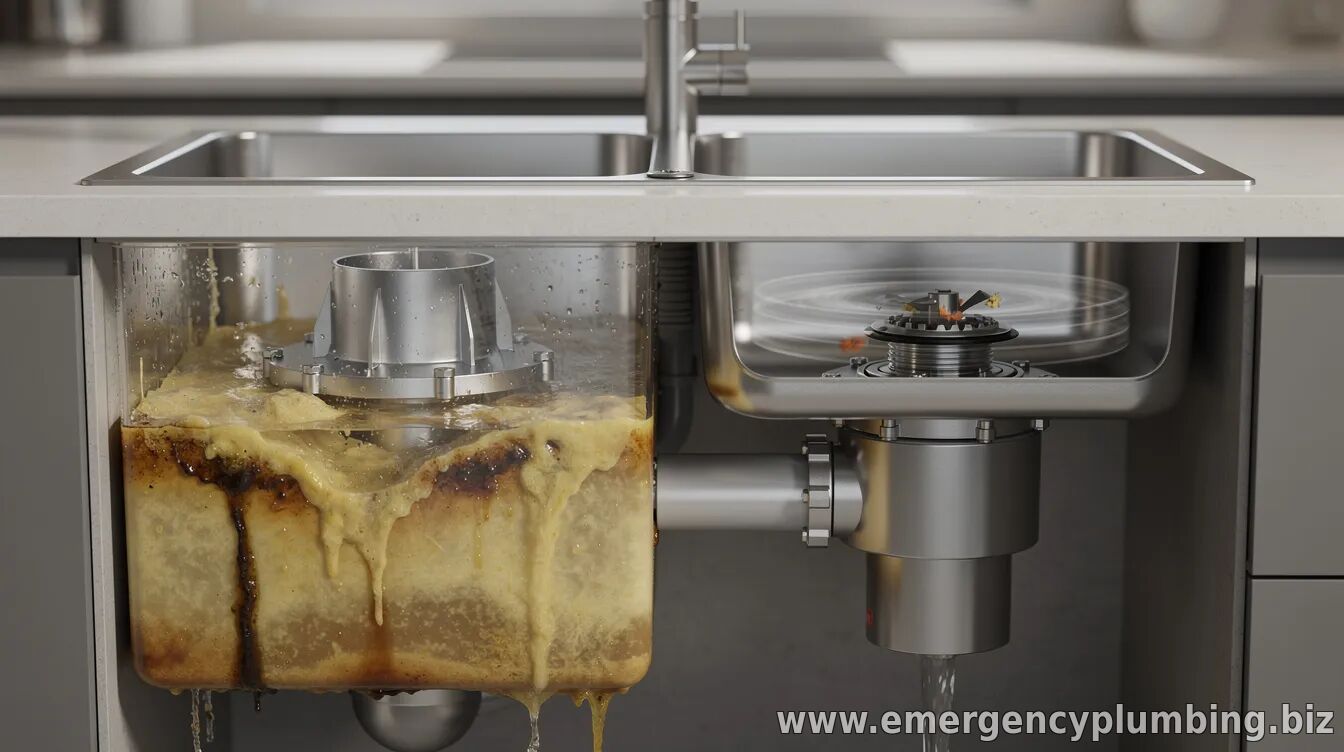
While garbage disposals can reduce food waste at the sink, they don’t stop grease from moving through your plumbing. Grease traps, by contrast, are built to intercept grease and keep it from entering wastewater systems in the first place. How a garbage disposal works (and what it can’t do)
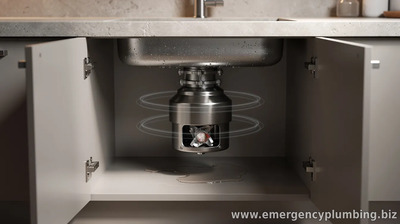
A garbage disposal grinds soft food waste into smaller particles so they can pass through plumbing more easily. In many homes, that’s enough to prevent kitchen scraps from clogging the sink drain.
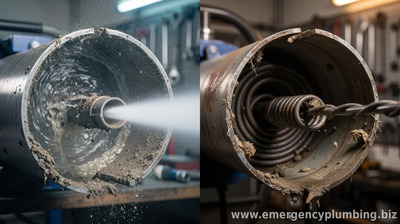
However, disposals are not grease-control devices. Fats and oils can still solidify as they cool inside pipes or downstream sewer infrastructure. Even when waste is ground up, grease can coat surfaces, reduce flow, and contribute to backups—especially in older plumbing runs or areas with higher residential load. How grease traps workGrease traps are designed to separate grease from wastewater before it leaves a property’s plumbing system. They typically use baffles and retention time so that grease floats and settles away from the flow that continues into drains.
Because grease traps target grease specifically, they are often more effective in reducing the “grease problem” at its source. They also usually require maintenance—such as inspection and pumping—so homeowners should plan for ongoing service and proper scheduling. Key differences homeowners should weigh
Choosing between a grease trap and a garbage disposal often comes down to which material you’re trying to manage: food solids, grease, or both. For many North Shore households, the most important factor is how much cooking grease makes it into sinks.
In practice, some properties benefit from a combined approach, but the best configuration depends on local plumbing layout and wastewater requirements. North Shore considerations: rules, risk, and best practices
North Shore regions can have specific guidance on what should and shouldn’t enter drains. Homeowners are wise to check local wastewater or plumbing regulations, especially if you’re planning renovations or installing new equipment.
Regardless of which system you have, simple habits make a measurable difference: scrape plates instead of rinsing heavy grease into sinks, avoid pouring cooking oil or grease down drains, run cold water when using disposals, and keep an eye out for early warning signs such as slow drains, lingering odors, or recurring clogs.
If you suspect grease is already accumulating—through recurring backups, sewer smell near drains, or frequent plumber calls—talk to a licensed plumber about whether your home needs grease-trap-style interception, a revised disposal setup, or a maintenance plan that addresses both grease and food solids.
Bottom line: a garbage disposal can help with food waste, but it doesn’t replace grease management. For North Shore homeowners dealing with frequent grease-related issues, a grease trap (or stronger grease-control practices) is often the more effective long-term solution.
| |
⏰ Dispatcher support 24/7
📞 224-754-1984CALL ☎ Subscribe 👆 FORUM 🗣
North Shore, Northwest suburbs of Chicago, IL
Next & Previous posts
Related articles: