

1:39 AM How to Shut Off Your Main Water Valve in an Emergency | |
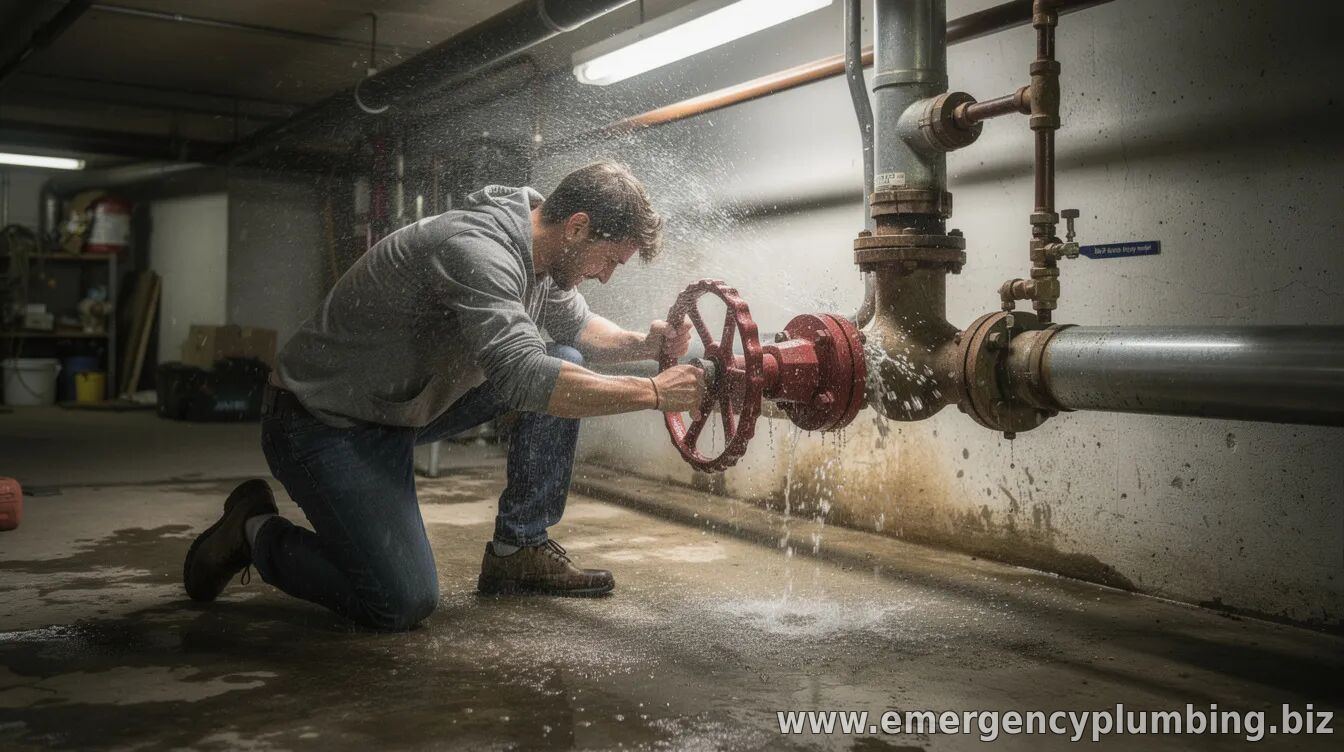
A sudden pipe burst, overflowing toilet, or major leak can turn into serious property damage within minutes. Knowing how to shut off your home’s main water valve quickly is one of the most effective steps you can take—before waiting for a plumber or responding to additional damage.
Before you start: If there’s electrical risk (for example, water near outlets, appliances, or an active electrical panel), prioritize safety. Avoid contact with standing water and switch off power to affected areas if needed. If the leak is severe or you feel unsure, call emergency services or a licensed professional right away. Find the main water shutoffThe main valve is typically located where your home’s water line enters the building. Common locations include the basement (near where the line comes in), a utility room, a crawl space, a garage, or near the water meter. In some homes, the shutoff may be outside in a buried box or utility enclosure.
If you don’t know where it is, take a moment when conditions are normal to locate it and make sure it’s accessible. Clear any stored items around the valve and ensure you have good lighting or a flashlight nearby. Turn the valve off correctly
Most main shutoff valves are either a ball valve or a gate valve. The way you turn them differs:
Avoid forcing the valve. If it feels stuck and you’re seeing damage or significant resistance, stop and reassess—excessive force can worsen the problem. Confirm the water is fully off
After shutting off the valve, test for flow. Check the nearest cold-water fixtures (for example, a sink or tub spout) and observe whether water stops running. You can also check toilets for continued refilling and listen for any running water sounds that might indicate pressure is still present.
Once you confirm the flow is stopped, open a faucet briefly to relieve pressure in the lines (turn it off again once it stops dripping). This can help prevent additional leaks from pressurized plumbing components. Protect your home while you wait
When the water is off, focus on limiting damage. Move valuables away from the leak area if it’s safe to do so, and place towels or a bucket under any remaining drips. If flooding has occurred, consider drying efforts as soon as possible to reduce the risk of mold.
Document what happened—especially if you’ll need to submit a claim or share details with a plumber. Taking photos of the leak location and any affected areas can speed up diagnosis.
If you shut off the valve but the leak continues, the problem may be within the pressurized section between the valve and the fixture or could involve a separate water source. In that case, contacting a professional quickly is the safest next step.
Quick takeaway: Know where the main valve is, learn whether it’s a ball or gate valve, shut it off in a controlled way, and verify water is fully stopped. In an emergency, these actions can be the difference between a manageable issue and extensive damage.
| |
⏰ Dispatcher support 24/7
📞 224-754-1984CALL ☎ Subscribe 👆 FORUM 🗣
North Shore, Northwest suburbs of Chicago, IL
Next & Previous posts
Related articles: