

0:27 AM Running Toilet: Causes, Fixes, and When to Call a Plumber | |
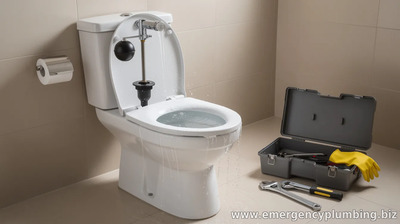
A toilet that keeps running after you flush usually comes down to a problem with the tank—something is preventing the flapper from sealing, regulating the water level, or allowing water to drain properly. Because the issue can waste significant water over time, it’s worth diagnosing promptly.
Start by observing the behavior: does the toilet run constantly, run intermittently, or stop after a short delay? The pattern helps narrow the cause and determine whether you can fix it yourself or need professional help. Common causes of a running toilet
One of the most frequent culprits is a worn or misaligned flapper. The flapper is the rubber seal that covers the tank’s flush valve; if it doesn’t close tightly, water keeps refilling the bowl.
Another common cause is a malfunctioning fill valve or float. If the float is set too high, the tank may refill beyond the correct level, increasing the chance of water leaking into the overflow tube. Mineral buildup can also interfere with movement inside the tank.
Less often, the issue comes from a weak or failing flush valve seal, a partially blocked siphon jet area (which can affect how the tank empties), or internal parts that are simply worn out from age. In older toilets, multiple small failures may occur at once, leading to persistent running. Quick fixes you can try at home
Before touching anything, remove the tank lid carefully and flush once to see what happens inside. With the tank cover off (and keeping water off if needed), you can often pinpoint the issue quickly.
1) Check and adjust the flapper
2) Inspect the flapper for wear
3) Verify the water level in the tank
4) Clean mineral buildup When to call a plumber
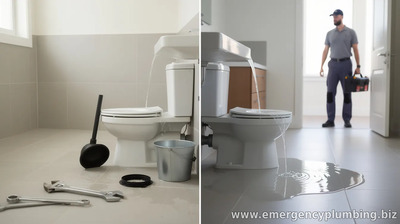
Some problems are signs you should escalate rather than keep troubleshooting. Call a licensed plumber if the toilet continues running after you’ve adjusted the flapper and confirmed the tank water level, or if you suspect damage to the flush valve assembly or internal seals.
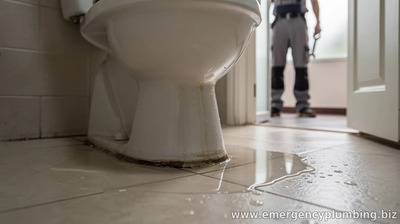
Also consider professional help if you notice persistent leaks around the base, cracking, or frequent cycling/refilling that suggests a deeper issue. If your home’s water pressure is abnormally high or you repeatedly replace parts that fail quickly, a plumber can check for underlying causes such as pressure regulation problems.
Finally, if you’re not comfortable working in the tank or diagnosing what you’re seeing, professional diagnosis can save time and prevent accidental damage—especially in older or less common toilet models.
A running toilet is often fixable with a few targeted checks, but it shouldn’t be ignored. By identifying whether the flapper, fill valve, or tank level is the problem, you can stop the waste quickly—and know when it’s time to call in the pros.
| |
⏰ Dispatcher support 24/7
📞 224-754-1984CALL ☎ Subscribe 👆 FORUM 🗣
North Shore, Northwest suburbs of Chicago, IL
Next & Previous posts
Related articles: