
0:33 AM Is a Smart Toilet Worth the Investment? A Reality Check | |
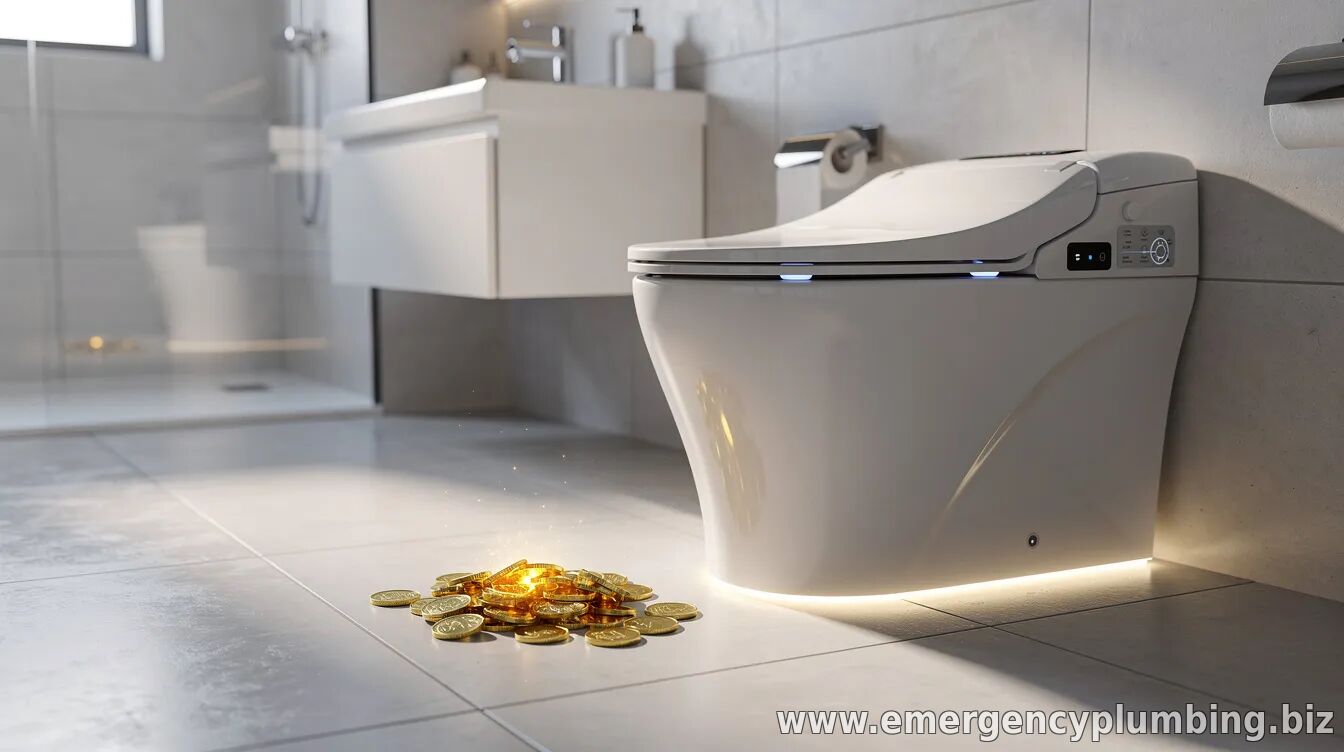
Smart toilets have moved from novelty to mainstream retail, offering features like heated seats, bidet controls, built-in deodorization, automatic lids, and even app-connected settings. But with prices often far higher than standard toilets, the decision isn’t just about whether the technology works—it’s about whether it’s worth living with and paying for. What you typically get for the extra cost
Most smart toilet models add comfort and convenience through a combination of sensors, warmed components, and automated functions. Common features include adjustable water temperature and pressure, multiple wash modes, self-cleaning nozzles, air freshening, and automatic lid opening or flushing. Premium models may also add UV sterilization, motion-activated hygiene cycles, and smartphone or remote control access.
For many buyers, the appeal is practical rather than futuristic: heated seating in cold weather, consistent bidet performance, and fewer manual touches for day-to-day cleaning. If you already use a bidet, a smart toilet can streamline the experience by automating temperatures, adjusting spray settings, and reducing odor buildup. The cost-benefit calculation: benefits vs. ongoing expenses
The biggest barrier is upfront cost. Smart toilets can be several times more expensive than basic models, and installation can add more if you need new electrical outlets, water line adjustments, or additional plumbing work. In some homes, especially older ones, the total cost can rise quickly.
Beyond purchase price, buyers should consider ongoing factors: electricity for heating and drying, replacement parts or cleaning cartridges (depending on the model), and the time cost of troubleshooting if settings malfunction. Models with complex electronics may also carry higher repair costs if a component fails out of warranty. Reliability and serviceability matter more than specs
On paper, features are impressive; in practice, reliability determines value. When comparing products, pay attention to warranty length, availability of service, and how easily you can access components for cleaning. Self-cleaning systems can reduce manual maintenance, but they do not eliminate the need for periodic deep cleaning of the bowl area and filters.
Another practical concern is water quality and local conditions. Hard water can contribute to scale buildup, potentially affecting nozzle performance and heating elements over time. If your household already deals with mineral deposits, you may need filtration or descaling routines to keep performance stable. Who benefits most from a smart toilet
Smart toilets tend to deliver the strongest value for specific households. Those who prioritize comfort, use bidet features frequently, or want hands-off hygiene for mobility or accessibility reasons often feel the investment sooner. People with sensitivities who prefer temperature-controlled water may also find day-to-day benefits outweigh the cost.
Conversely, if you rarely use bidet functions, already prefer a simple separate bidet attachment, or would be uncomfortable with app controls and electronics, a smart toilet may be over-engineered for your needs. Alternatives that can be more cost-effective
If your main goal is improved hygiene without premium pricing, a bidet seat or add-on bidet can offer many of the same benefits—heated seat and water, adjustable spray, and easier cleaning—often at a fraction of the cost. These options may also be simpler to install and service than full smart toilet replacements.
For buyers who love the idea of automation, upgrading to a model with fewer “smart” features can be a middle ground: focus on reliable wash performance and comfortable heating rather than features you may rarely use.
The takeaway: smart toilets can be worth it when their everyday conveniences align with your routines and when you’re confident in reliability and total installed cost. If you’re buying primarily for novelty or a long list of high-tech extras, the value may not hold up over time. Before you commit, compare total cost of ownership—purchase price, installation, expected maintenance, and warranty coverage—against the specific benefits you’ll actually use.
| |
⏰ Dispatcher support 24/7
📞 224-754-1984CALL ☎ Subscribe 👆 FORUM 🗣
North Shore, Northwest suburbs of Chicago, IL
Next & Previous posts
Related articles: