


4:08 AM Reverse Osmosis vs. Whole-House Filtration: Differences | |
Choosing between reverse osmosis and whole-house filtration can feel confusing, especially because both are marketed as “better water.” The key difference is how each system treats water: RO uses a membrane to separate contaminants from water, while whole-house filtration typically relies on media or targeted treatment stages before water reaches your taps.
In practice, RO is often best for drinking and cooking because it can reduce a wide range of dissolved impurities. Whole-house filtration is usually selected to improve water quality throughout the home and to safeguard appliances, fixtures, and plumbing—often by addressing sediment, chlorine taste/odor, or hardness-related issues. How reverse osmosis works
Reverse osmosis forces water through a semi-permeable membrane under pressure. The membrane blocks many dissolved substances, including contaminants such as certain salts and other dissolved solids, leaving relatively cleaner water on the other side. Most RO systems include pre-filters to protect the membrane and a storage tank to deliver treated water on demand.
Because RO is typically installed under a sink or near the point of use, it concentrates treatment where people drink the water. That targeted approach often makes RO a popular choice for households that want high-quality water for beverages, cooking, and ice. How whole-house filtration works
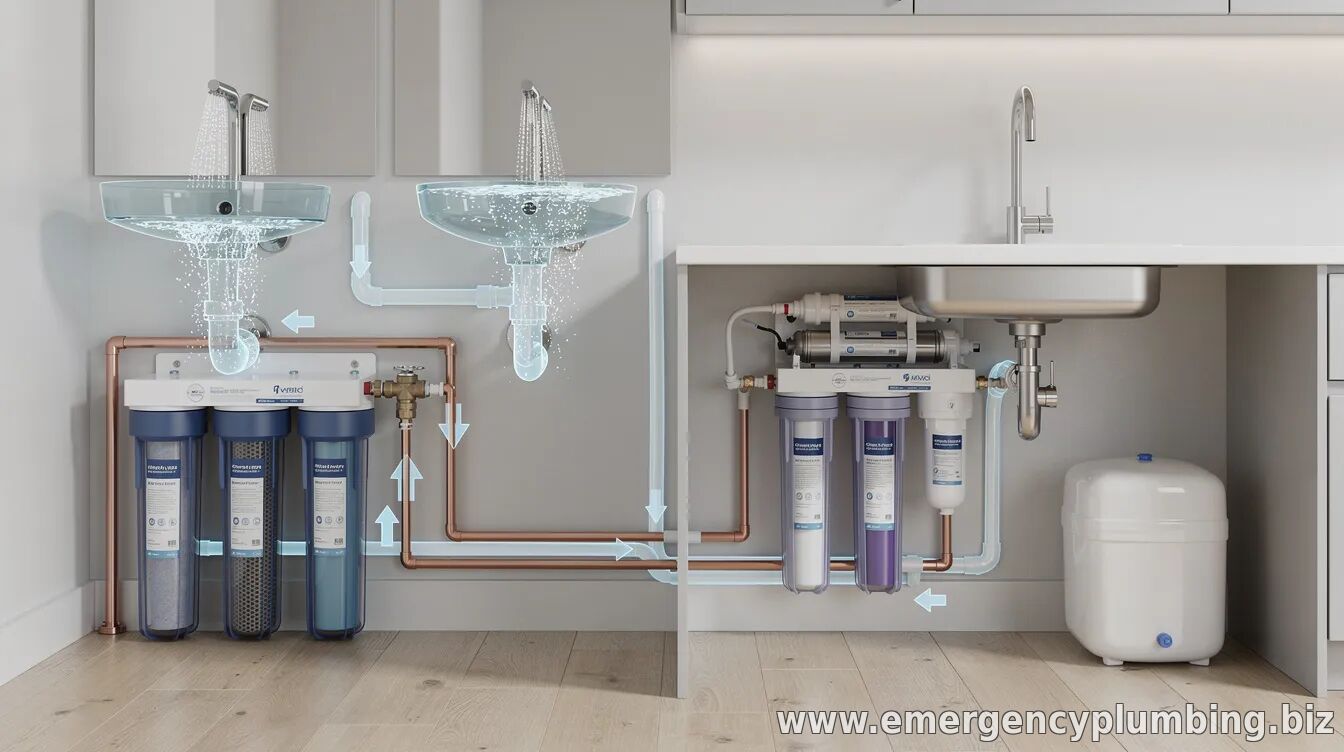
Whole-house systems are installed at the main water line, so they treat water before it flows to every faucet, shower, and appliance. Depending on the specific setup, whole-house filtration may include sediment filtration, activated carbon for taste and odor, or other treatment methods tailored to local water conditions.
Many whole-house systems are designed to reduce common concerns such as rust-colored sediment, chlorine taste and smell, or scale-causing minerals. Some homes also add additional stages—such as water softening—to address hardness, while other systems are configured to manage specific contaminants identified by local testing. What each option is best for
RO generally shines when your priority is drinking-water quality and reducing dissolved contaminants at the tap where you consume water. It can be especially relevant if your water test shows elevated dissolved solids or if you want stronger reduction of specific compounds compared with typical single-stage filters.
Whole-house filtration is most useful when your priorities extend beyond drinking-water taste. It can help reduce sediment and odor across the home, improve the feel of water for bathing (when hardness or specific treatments are included), and protect fixtures and water-using appliances from buildup. Cost, maintenance, and practicality
RO systems often require more hands-on maintenance than simpler filtration setups. Membranes and pre-filters have replacement schedules, and RO can produce wastewater depending on system design. Whole-house systems can involve periodic filter changes and, where used, media replacement or servicing for multi-stage treatment.
From a practical standpoint, households sometimes combine approaches: a whole-house system to improve overall water and protect the plumbing, paired with RO at the kitchen sink for drinking and cooking. This layered strategy can align costs and maintenance with the areas of greatest concern.
The best choice depends on your water test results, your goals, and your tolerance for ongoing maintenance. If you haven’t already, start with a reputable water analysis, then choose the system type that matches the contaminants you need to address—rather than the marketing claims that sound similar on the shelf
| |
⏰ Dispatcher support 24/7
📞 224-754-1984CALL ☎ Subscribe 👆 FORUM 🗣
North Shore, Northwest suburbs of Chicago, IL
Next & Previous posts