

2:40 AM Hot Water Recirculating Pumps: Are They Worth It? | |
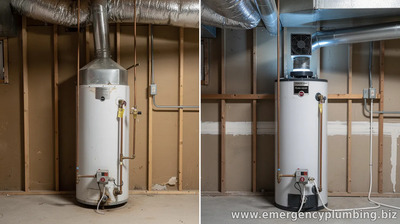
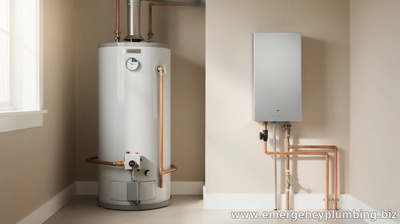
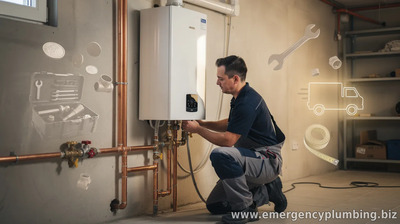
Hot water recirculating pumps promise faster hot water at the tap—often by keeping hot water circulating through your home’s plumbing loop. For homeowners tired of waiting for showers and sinks to warm up, they can feel like an upgrade. But the real question is whether the benefits outweigh the installation price and ongoing operating costs.
In many households, the economics come down to how far your fixtures are from the water heater, how frequently you use hot water, and whether you pair the pump with smart controls to avoid unnecessary circulation. What recirculating pumps do
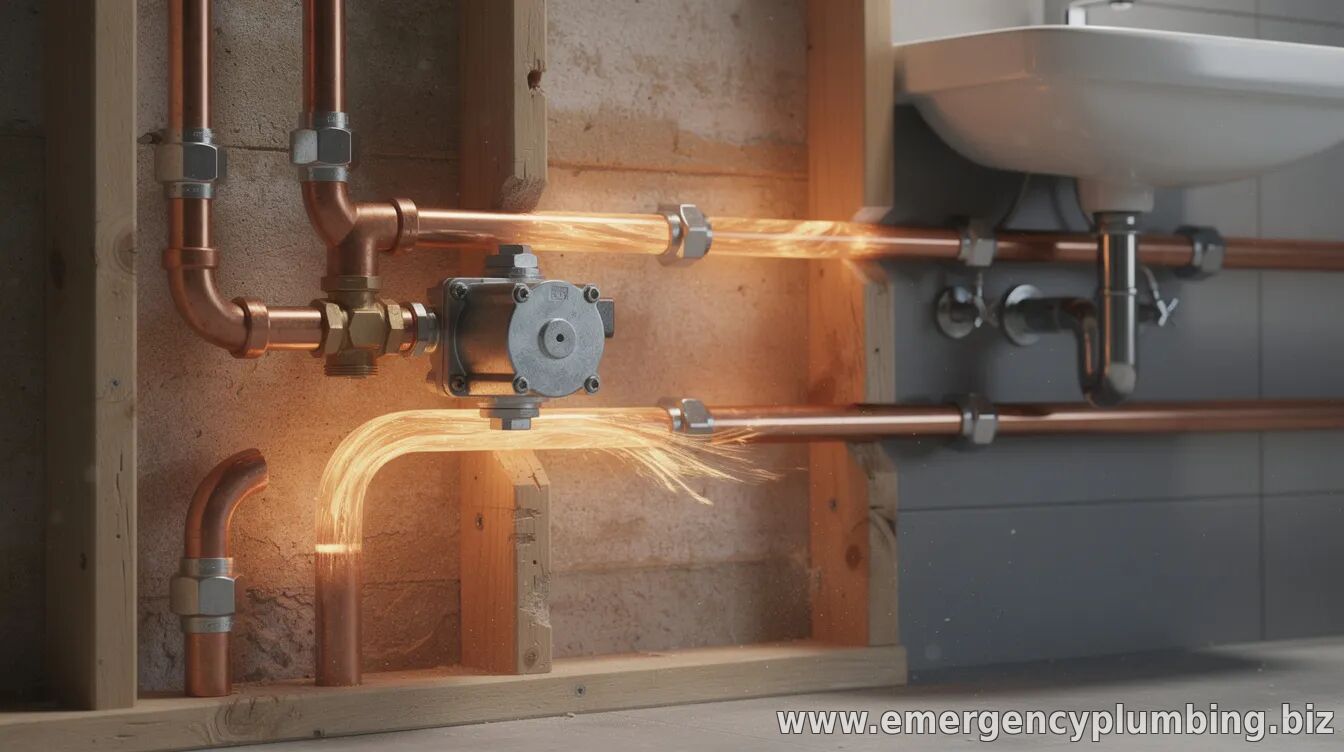
Most systems work by circulating hot water through a dedicated return line (or a compatible setup) and then routing cooled water back to the water heater. Many models include controls such as timers, temperature sensors, or occupancy-based logic to reduce runtime when hot water isn’t needed.
The practical outcome is shorter wait times at the faucet and shower. Some systems also reduce the amount of water that runs down the drain while users wait for the temperature to rise. Where the value tends to show up
Recirculating pumps are most likely to be worth it when your home has long hot-water plumbing runs, a large gap between the heater and commonly used fixtures, or multiple bathrooms that rely on consistent hot water.
They can also make sense for households with predictable schedules—morning routines, evening showers, or childcare—where timed operation can align circulation with actual demand. In these cases, fewer minutes of “wasted” hot-water waiting can translate into both convenience and measurable water savings. The trade-offs: energy use and installation cost
Keeping water moving takes electricity, and the heater may still need to replace heat losses during circulation. If the pump runs too long—especially when hot water isn’t needed—the system can become more expensive than people expect.
Installation can also affect overall value. Some homes require additional piping or retrofitting to create an effective return loop, which can raise upfront costs. If you’re planning renovations, the math may improve; if you’re retrofitting an older layout with limited options, payback could take longer. How to estimate whether yours will pay off
A useful approach is to compare your current “wait behavior” with your expected runtime using smart controls. Consider how long you typically run the tap before water is hot, and how often you do it per day.
Then look at pump options that help manage energy consumption, such as:
If your pipes are well-insulated and your usage is heavy during certain periods, a controlled recirculation system may deliver strong returns. If hot-water demand is irregular or the heater is already close to fixtures, savings may be smaller. Bottom line
Hot water recirculating pumps can be worth it for convenience and potential water savings—especially in larger homes, multi-bath layouts, or setups with long runs to bathrooms. But the best outcomes typically come from pairing a recirculating pump with sensible controls and considering installation and energy costs upfront.
Before buying, check whether your plumbing configuration supports an efficient return loop and choose a control strategy that matches your schedule. For many households, the decision isn’t “pump versus no pump,” but “pump with smart controls and insulation versus a system that runs all the time.”
| |
⏰ Dispatcher support 24/7
📞 224-754-1984CALL ☎ Subscribe 👆 FORUM 🗣
North Shore, Northwest suburbs of Chicago, IL
Next & Previous posts
Related articles: