

4:51 AM Sewer Ejector Pump Installation Costs: Key Factors | |
Installing a sewer ejector pump is a practical project for homes with below-grade plumbing or basements that require waste to be lifted to the sewer line. The total cost is influenced by multiple variables, from the type of pump to local permitting. Below, we break down the main factors that typically affect pricing and what to expect at each step. Key cost factors
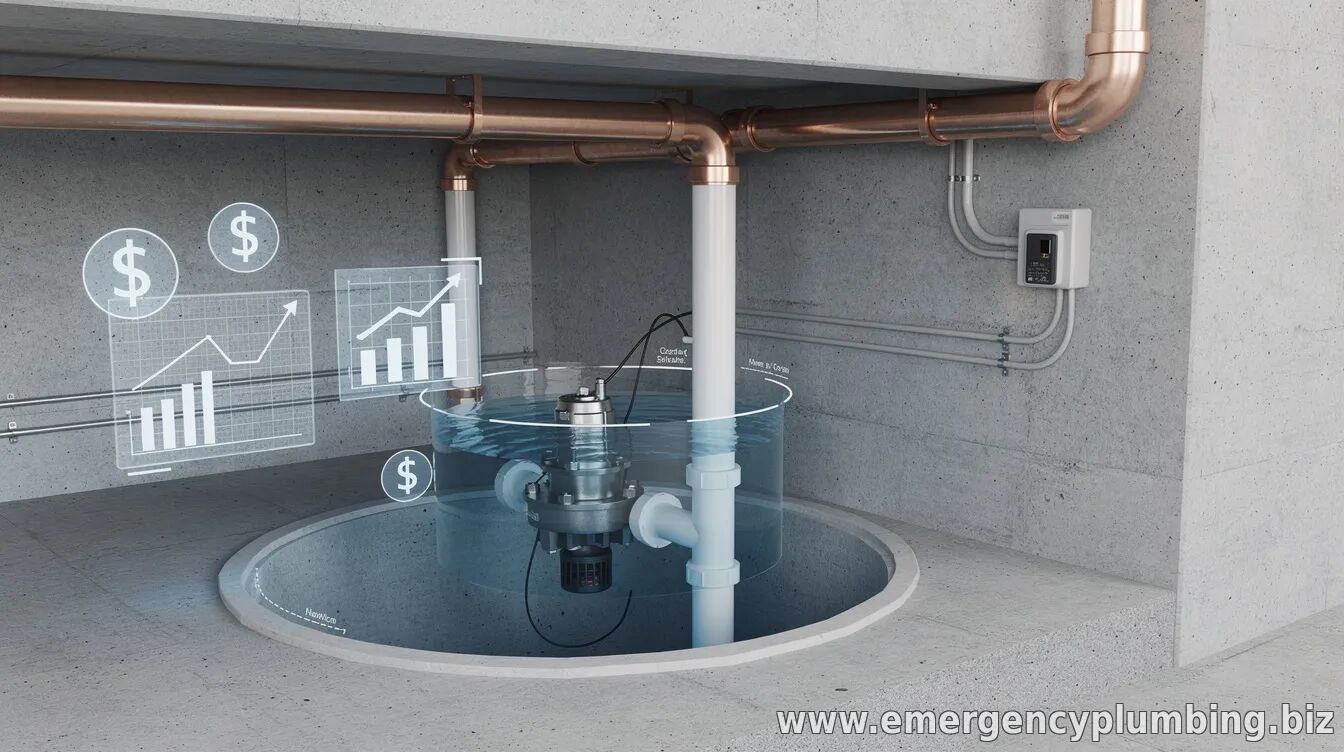
Pump type and capacity: Pumps come in various sizes and configurations. A larger or more powerful pump, suitable for higher volumes or challenging installations, costs more upfront but may reduce maintenance over time. Submersible models are common in basements, while external units handle harsher environments but may require additional housing.
Labor and accessibility: Labor costs vary by region and the complexity of the installation. If access is tight, the crew may need to remove flooring, walls, or fixtures, increasing labor time. Retrofit jobs often cost more than simple replacements.
Existing plumbing and piping: If the existing drain lines or vent systems need modification to accommodate the ejector pump, expect added materials and labor. Longer runs, additional bends, or rerouting can raise expense.
Permits and inspections: Many jurisdictions require permits for sewer ejector pump installations. Permit fees, inspections, and potential code adjustments can add to the total. A licensed plumber typically handles this process, which can streamline approval but adds administrative costs.
Electrical work and controls: Ejector pumps require a dedicated circuit and proper GFCI protection. Electrical upgrades, wiring, conduit, or a sump control switch add to both material and labor costs. An electrician may be needed for safety compliance.
Disposal, containment, and site prep: If the installation disrupts finished spaces, you may need drywall repair, flooring replacement, or concrete cutting. Cleanup and site restoration are sometimes included in final estimates.
Brand, warranty, and maintenance: Premium brands with longer warranties cost more upfront but can offer peace of mind and lower long-term maintenance. Some contractors offer annual service plans that affect overall annualized cost.
Additional features: Optional components such as backflow preventers, alarms, battery backups, or automatic switches can add to the price but enhance reliability and resilience during power outages. Budgeting tips for homeowners
Obtain multiple written estimates from licensed plumbers to compare line items and ensure code compliance. Ask about per-hour rates, flat fees for permit handling, and what the estimate covers (labor, materials, removal of old equipment). Clarify whether warranties and future service calls are included, and request a breakdown for any potential contingencies such as wall or flooring repairs.
Prepare for contingencies by budgeting a 10–20% buffer over the lowest quote to cover unforeseen challenges. If time allows, scheduling the project during a slower season for contractors may yield better rates. Finally, verify the contractor’s license, insurance, and customer references before proceeding.
| |
⏰ Dispatcher support 24/7
📞 224-754-1984CALL ☎ Subscribe 👆 FORUM 🗣
North Shore, Northwest suburbs of Chicago, IL
Next & Previous posts
Related articles: