

0:38 AM Tank vs. Tankless Water Heaters: Which Fits You? | |
Picking the right water heater can affect everything from your daily shower comfort to your monthly energy bills. The two most common options—traditional tank water heaters and tankless (on-demand) units—work differently, so the “best” choice depends on your household’s hot-water patterns and installation constraints.
Below is a practical comparison designed to help homeowners decide which system better matches their needs. How each system delivers hot water
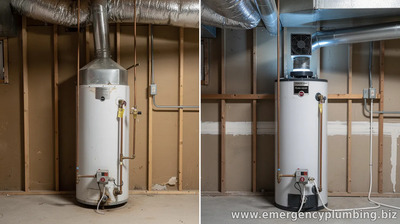
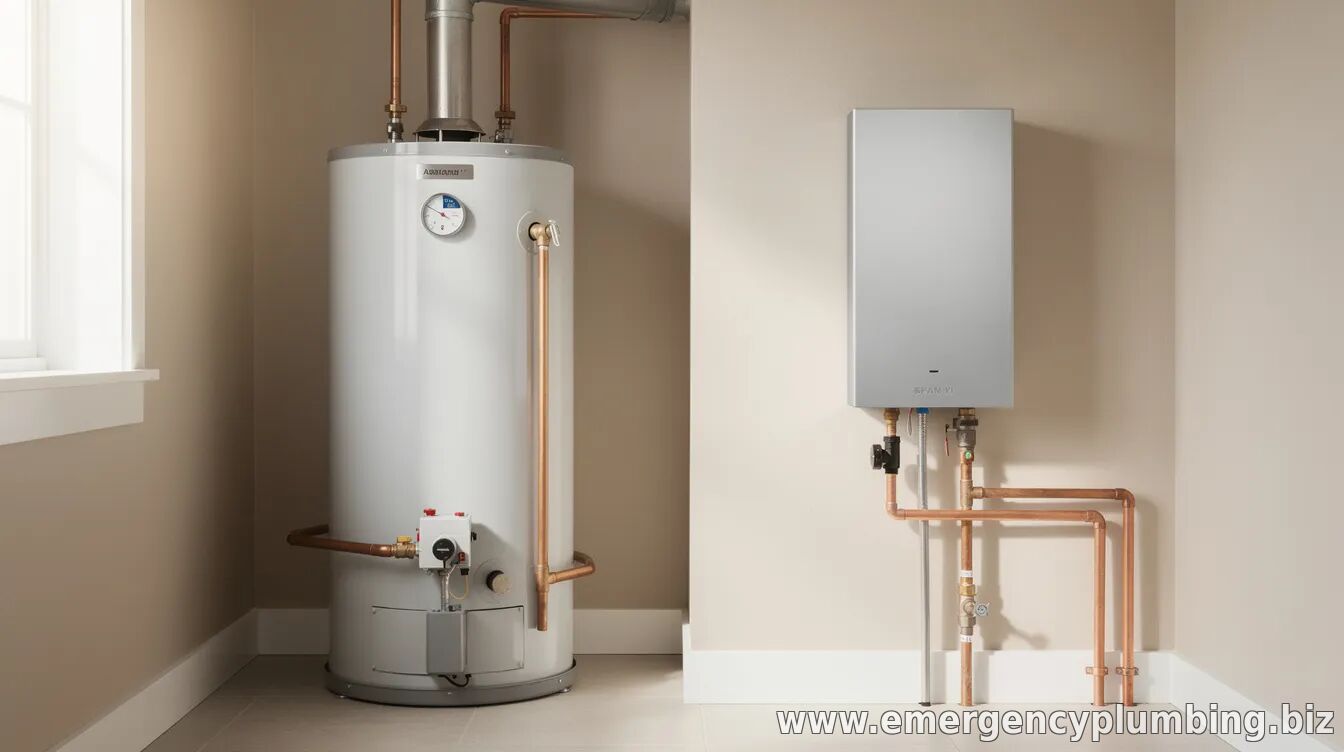
A tank water heater stores a reservoir of hot water and keeps it warm until you need it. When you turn on a hot tap, the stored hot water leaves the tank and is replaced by cold water that the unit reheats.
A tankless water heater heats water only when a faucet or shower is running. Instead of storing hot water, it uses a burner or heating element to raise the water temperature on demand. Upfront cost and installation considerations
Tank models are typically less expensive to purchase and easier to install in many homes. Tankless units often cost more upfront, and installation may require upgrades depending on your fuel type and local codes.
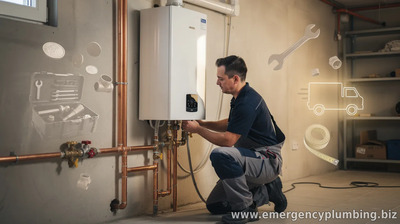
Tankless systems may need additional venting for gas units, upgraded electrical service for electric models (where applicable), and careful sizing to match both flow rate and temperature rise (especially during colder months). Energy efficiency and operating costs
Tank heaters are generally less efficient because they continuously maintain water temperature in the tank (often called standby heat loss), even when you’re not using hot water.
Tankless heaters can be more efficient in many households because they reduce standby losses—though their efficiency still depends on proper sizing and consistent operating conditions. If your home has frequent, simultaneous hot-water use, both the energy use and the performance can change compared with smaller or intermittent usage patterns. Hot-water availability: recovery vs. flow limits
With a tank system, hot-water availability is largely tied to tank size. In households with high demand or back-to-back showers, a tank can run out and take time to recover while it reheats the stored water.
Tankless units typically don’t “run out” in the same way, but they have a flow rate and temperature rise limit. If multiple fixtures run at once—or if incoming water is very cold—the unit may struggle to maintain the desired outlet temperature unless it’s properly sized or multiple units are used. Maintenance and longevity
Tank water heaters usually require periodic maintenance such as draining and flushing to reduce sediment buildup, which can affect efficiency and shorten lifespan. Many homeowners schedule this every year or every few years depending on water quality.
Tankless systems also benefit from maintenance, often including descaling (particularly in areas with hard water). Scale buildup can reduce heat transfer efficiency. The good news: maintenance intervals can be manageable, but they are important for long-term performance. Which one is right for your home?
In general, tank water heaters can be a better fit for homes that need a straightforward, lower-cost installation and have hot-water use that stays within the tank’s capacity. They can also work well for households that prefer predictable recovery from a stored supply.
Tankless water heaters often make sense for households that want improved energy characteristics, longer potential service life, and hot water that’s available without a fixed reservoir—assuming the unit is correctly sized for your peak demand.
Consider these quick decision cues:
To choose confidently, many homeowners start by estimating daily hot-water use and identifying your most demanding moments (for example, the morning rush). From there, a qualified installer can size the system correctly—an essential step for avoiding performance issues and maximizing efficiency.
| |
⏰ Dispatcher support 24/7
📞 224-754-1984CALL ☎ Subscribe 👆 FORUM 🗣
North Shore, Northwest suburbs of Chicago, IL
Next & Previous posts
Related articles: