

0:54 AM Why Your Water Smells Like Rotten Eggs (Sulfur) | |
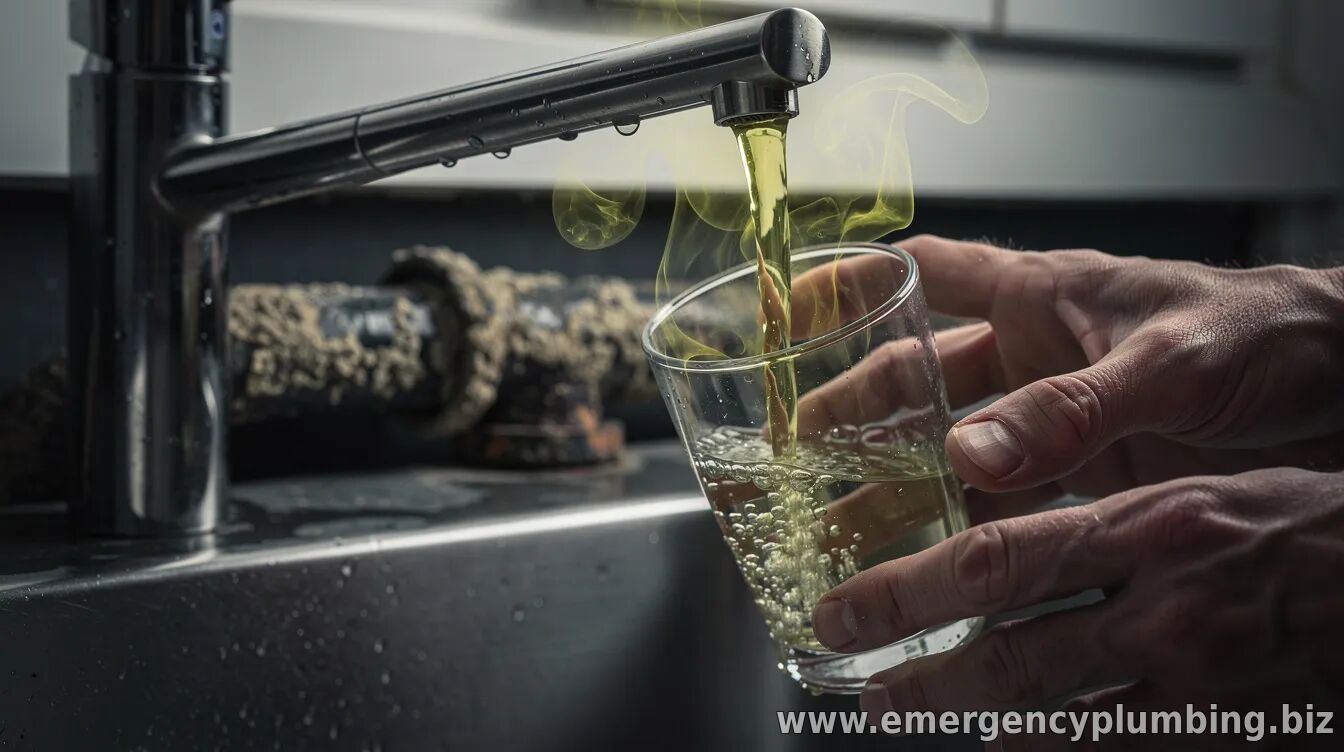
A “rotten eggs” smell—often described as sulfur or hydrogen sulfide—coming from your tap water is a common complaint. While the odor itself can be unpleasant, the underlying cause matters: it may be something as simple as a temporary plumbing issue, or it could be related to the water source or treatment process.
Hydrogen sulfide is the most frequent culprit. It can dissolve in water and release a strong odor when water is running, especially when hot water is used. People also report that the smell may come and go, worsen after water has been sitting, or show up more in one faucet than the rest. Common reasons for sulfur (rotten egg) odor
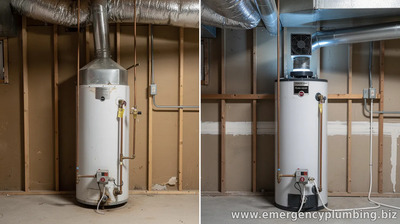
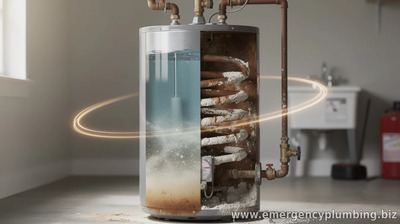
1) Hot water heater problems
2) Plumbing or household plumbing materials
3) Changes in the water supply or treatment
4) Well water and natural sulfur How to identify where the smell is coming from
To narrow down the cause, observe patterns across time and faucets. Start with a quick check: does the odor appear only on hot water, only on cold water, or on both? Does it show up at every faucet or just one? Is it stronger after the water has sat overnight?
What to do next
If the smell is new, sudden, and affects multiple neighbors, contact your local water utility. Ask whether there are recent treatment changes, flushing activities, or reports of odor from the same area. Utility companies can also advise on whether any testing is underway.
If the odor is isolated to your home, consider having a licensed plumber inspect the water heater and visible plumbing for corrosion or sediment. If you use a private well, consult a water testing lab about hydrogen sulfide and related parameters (such as bacteria and other dissolved gases). Treatment options vary widely depending on the cause, so targeted testing is key.
In the meantime, you can reduce exposure to the odor for routine use by letting cold water run briefly if the issue is strongest after it sits. However, avoid relying on “flushing” as a permanent solution if the odor persists—especially if you notice any changes in taste, color, or your water’s overall appearance. When to take it more seriously
Hydrogen sulfide can be harmful at high concentrations, though typical household tap-water levels are usually not the same as dangerous air concentrations. Still, if the odor is extremely strong, occurs indoors near plumbing vents, or is accompanied by other water quality changes, stop using the affected source for drinking and cooking and contact professionals for assessment.
Odors in water are rarely something to ignore. With a few observations and, when needed, proper testing, you can pinpoint whether the issue is tied to your water heater, your plumbing, or your water supply—and choose the right fix.
| |
⏰ Dispatcher support 24/7
📞 224-754-1984CALL ☎ Subscribe 👆 FORUM 🗣
North Shore, Northwest suburbs of Chicago, IL
Next & Previous posts
Related articles: