

0:55 AM Tree Roots in Sewer Lines: Warning Signs and What to Do | |
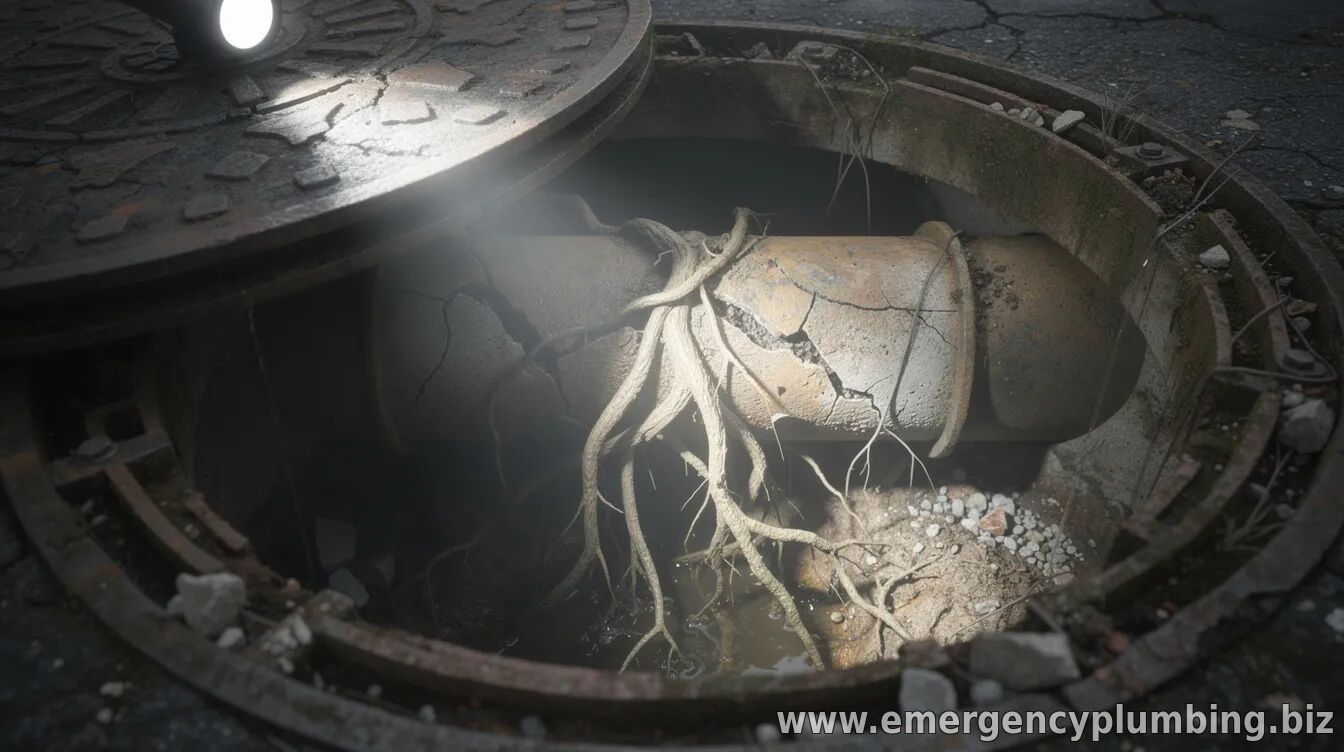
Tree roots creeping into sewer and drainage systems is a common—and preventable—problem in many cities. While roots may start as a small intrusion, they can expand into cracks or weak joints, restricting flow and ultimately leading to backups, odors, and expensive line replacements.
Because sewer repairs can be disruptive and costly, the key is recognizing warning signs early and taking action before damage spreads. Below are the most common indicators of root intrusion and the practical steps homeowners and property managers can take. Key warning signs to watch for
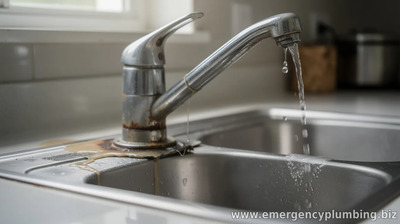
One of the clearest signs of a blockage caused by roots is recurring drainage issues that don’t stay solved after a basic cleaning. If clogs return frequently—especially in the same area of the plumbing system—it may indicate roots are actively growing into the line.
Other common symptoms include slow drains (particularly on lower-level fixtures), gurgling sounds from toilets, sinks, or floor drains, and unpleasant sewage odors near drains, cleanouts, or exterior ground areas. In some cases, backups may occur after wet weather or irrigation events, when root-impacted lines carry higher volumes. What typically causes root intrusion
Roots usually enter through existing vulnerabilities rather than breaking through intact pipe walls. Aging pipes, damaged joints, minor cracks, and shifting soil can create pathways. Seasonal changes—such as drought followed by heavy irrigation—can also encourage roots to seek moisture, increasing pressure toward the nearest water source.
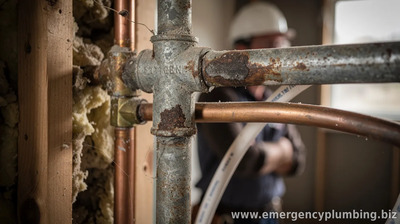
In multi-unit buildings or older neighborhoods, the risk is higher when sewer lines are old, have been patched multiple times, or were installed with materials that are more susceptible to joint failure. Landscaping choices, including large trees planted near sewer easements or downspouts directed toward utility corridors, can further elevate the likelihood of intrusion. What to do when you suspect tree roots
Start by documenting the issue. Note when backups or slowdowns occur, which fixtures are affected, and whether symptoms worsen after rainfall or irrigation. If you manage a property, track service calls and any previous clogs—this helps technicians identify patterns consistent with ongoing root growth.
Next, avoid relying on repeated “quick fixes.” While routine drain cleaning can clear debris, it may not stop roots. A more effective approach is to request a targeted inspection, typically using sewer camera technology to confirm the location and severity of the obstruction and to assess pipe condition.
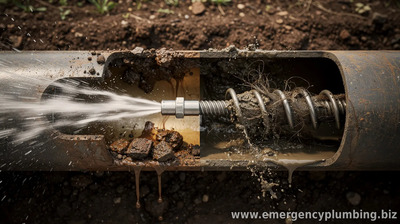
Once confirmed, professional options may include mechanical root cutting/clearing (using specialized tools), combined cleaning and root removal, or—in more severe cases—repairs that address the underlying pathway for infiltration. Some properties also benefit from lining methods designed to seal cracks and joints, reducing the chance of roots re-entering. Prevention: reduce the conditions roots seek
Prevention focuses on two fronts: limiting the source of moisture near the line and strengthening the pipe’s ability to resist infiltration. Reducing excessive irrigation close to sewer easements, checking for leaking sprinklers or plumbing, and keeping downspouts from directing water toward utility corridors can reduce root attraction.
Landscaping matters as well. Homeowners with large trees near sewer lines should consider distance setbacks, root barriers, or consultation with qualified professionals to evaluate long-term risk. In some municipalities, the location of sewer easements may be mapped, which can help guide planting decisions.
For older systems, proactive maintenance—such as periodic inspections or scheduled cleaning based on known vulnerability—can be more cost-effective than emergency callouts after backups occur. When repairs are needed, sealing joints and addressing cracks can be crucial to preventing recurrence. When to call an emergency
If sewage is backing up into indoor drains, toilets, or floor drains, or if there is evidence of overflow, contact a qualified plumbing or sewer service immediately. Standing water, strong sewage odors, and persistent backups can also raise health and sanitation concerns, so it’s important to act quickly and avoid delaying remediation.
Tree roots may seem like a slow-growing nuisance, but their impact on sewer flow can escalate rapidly. By recognizing early warning signs, requesting a camera-based inspection, and pursuing remedies that address both the obstruction and the pipe condition, property owners can reduce disruption—and keep water moving safely through aging underground infrastructure.
| |
⏰ Dispatcher support 24/7
📞 224-754-1984CALL ☎ Subscribe 👆 FORUM 🗣
North Shore, Northwest suburbs of Chicago, IL
Next & Previous posts
Related articles: