

1:01 AM Well Water vs Municipal Water: Filtration Needs | |
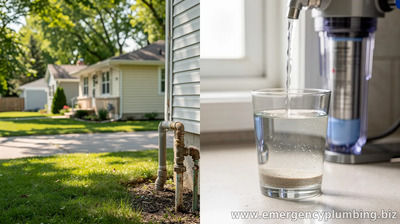
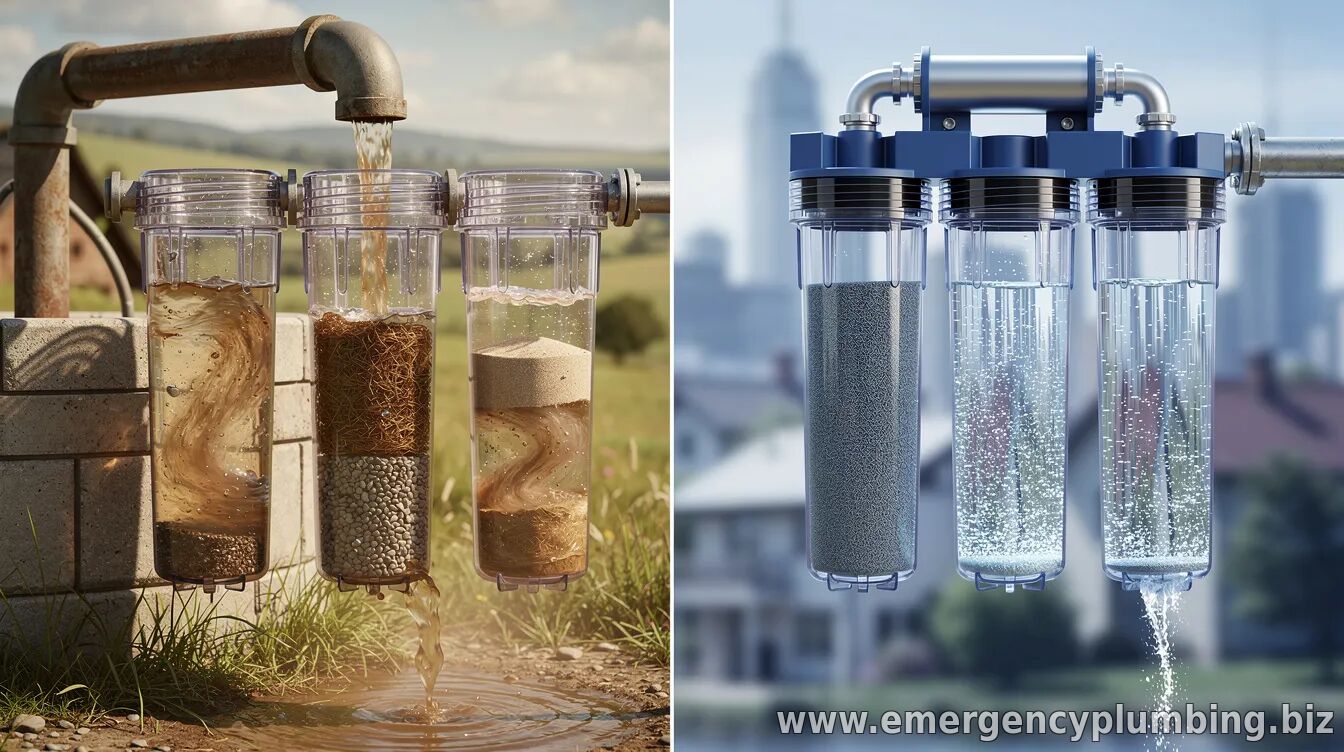
Choosing a filtration setup starts with the source. “Well water” is pulled directly from underground aquifers, while “municipal water” is treated at centralized facilities and distributed through regulated systems. That difference often determines what filtration a household actually needs—and what it may already have addressed before water ever reaches the home.
Municipal water typically receives multiple treatment steps, such as disinfection (often chlorine or chloramine), sediment control, and sometimes additional processes depending on source water quality. In many regions, this lowers the likelihood of certain contaminants compared with untreated groundwater, though distribution conditions and local variations can still affect quality. What well water may contain
Because well water is not treated through a municipal plant, it may carry natural or human-influenced substances. Common concerns include bacteria and nitrates (often tied to agricultural runoff or septic systems), hardness minerals, iron and manganese, and—depending on geology—arsenic or other metals. Some contaminants may be invisible to taste or smell, which is why testing is essential.
Filtration needs for wells frequently focus on microbial safety and specific dissolved contaminants. Many households use a combination of treatment methods, such as sediment filtration, activated carbon, and in some cases disinfection (or other engineered systems) tailored to test results. What municipal water may still require
Municipal supplies are designed to meet safety standards, but challenges can still arise from corrosion in older plumbing, seasonal changes, or specific local source-water conditions. Some residents add filtration to address taste and odor (often linked to chlorine), reduce hardness, or target lead and other metals that may leach from aging pipes.
In homes with older water lines, point-of-use filters at kitchen taps may be used to reduce exposure to particular metals. For broader whole-home concerns, additional treatment may be considered, but the best choice depends on what the water test reveals. How to decide: test first, then filter
Rather than buying a pre-packaged system, homeowners generally get better results by matching filtration to measured issues. A comprehensive approach often begins with requesting a laboratory analysis or using a certified testing service, then reviewing the results with a qualified professional if levels are elevated.
Even among wells, the correct solution varies by location and aquifer conditions, so “typical” filtration advice may not apply. For municipal water, the goal is often targeted improvement—such as better taste or reduced metals at the tap—rather than replicating the full municipal treatment process.
Once installed, maintenance matters. Filters require replacement on schedule, and many systems need periodic inspection to maintain performance. Skipping maintenance can reduce effectiveness or create additional problems, especially for carbon media and sediment filters.
For well owners, repeating tests on a regular cadence—especially after flooding, construction, or changes to nearby land use—can help catch shifts early. For municipal customers, retesting can be useful if you experience changes in taste, color, or odor, or if local infrastructure conditions change.
Ultimately, well water often demands filtration that compensates for the absence of centralized treatment, while municipal water may require smaller, targeted improvements. The most reliable way to pick the right filtration is to determine what is actually in your water, then select certified treatment designed to address those specific findings.
| |
⏰ Dispatcher support 24/7
📞 224-754-1984CALL ☎ Subscribe 👆 FORUM 🗣
North Shore, Northwest suburbs of Chicago, IL
Next & Previous posts
Related articles: