

3:03 AM What causes water pressure changes in your home | |
Water pressure changes at home can be frustrating and confusing. Most homeowners experience occasional dips or spikes, but understanding the typical culprits makes it easier to diagnose and fix issues without overhauling your plumbing.
Common causes
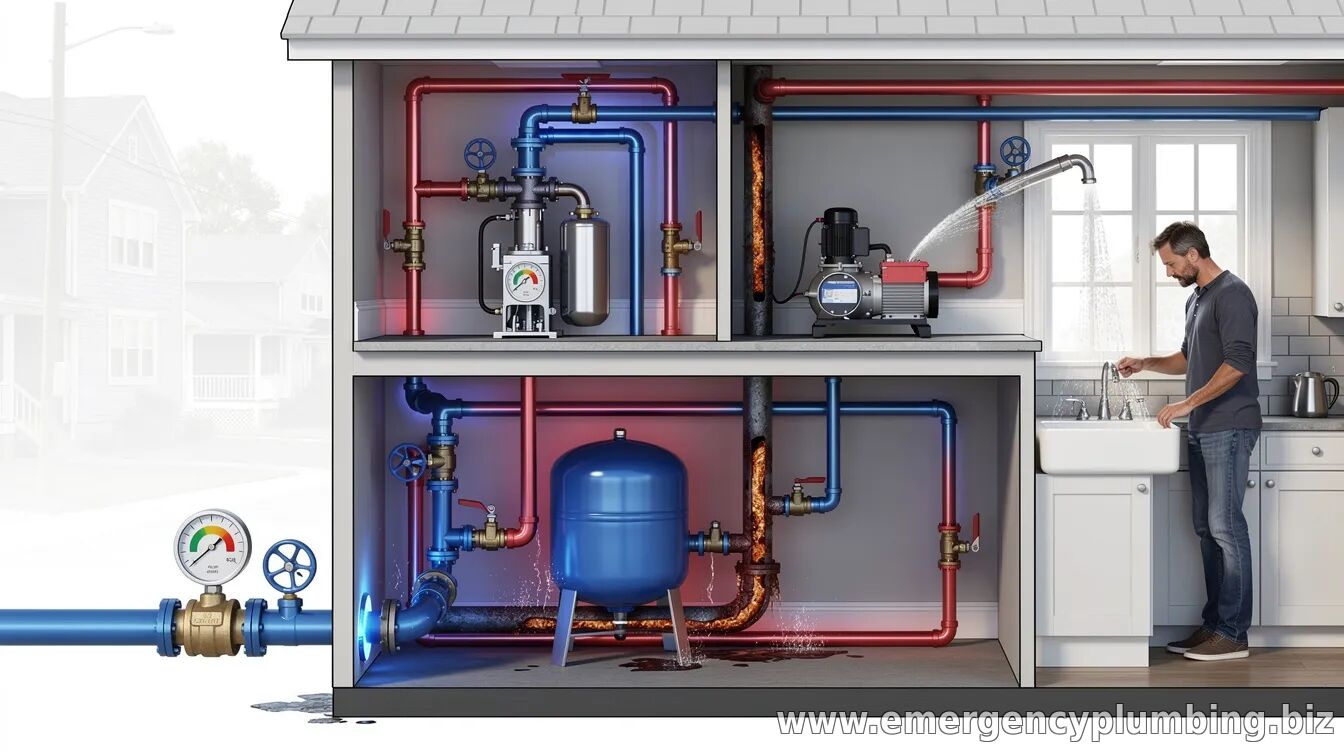
1) Leaks and hidden corrosion: Small leaks in pipes or fittings can drain pressure gradually, especially if they’re behind walls or under floors. Corroded galvanized pipes or aging copper can constrict flow, leading to lower pressure in some areas while others stay unaffected.
2) Pressure regulator problems: Many homes rely on a pressure-reducing valve (PRV) to keep incoming pressure in a safe range. A faulty or misadjusted PRV can cause high or low pressure that affects multiple outlets.
3) Water main or supply line issues: Pressure drops can occur if the municipal supply or shared service line experiences maintenance, bursts, or reduced flow during peak usage. Seasonal demands and nearby construction can also influence pressure at your curb stop.
4) Plumbing fixtures and appliances: A clogged faucet aerator, showerhead, or fixture aerator can create abrupt pressure changes in that line. High-demand appliances, like dishwashers and washing machines, can momentarily alter pressure while filling.
5) Debris, mineral buildup, and sediment: Sediment or mineral scale from hard water can accumulate in pipes, valves, or fixtures, gradually reducing flow and producing uneven pressure. A water softener can help in hard-water areas, but accumulation can still occur elsewhere.
6) Pipe size and layout: In larger homes or multi-story buildings, pipe diameter and layout influence pressure delivery. Long runs with many elbows add friction, which may reduce pressure on upper floors during peak usage.
What to check first
- Confirm whether pressure is low at all fixtures or only in specific rooms. If the issue is isolated to one outlet, focus on that fixture’s valve, aerator, or cartridge.
- Look for visible leaks around valves and connections, especially under sinks and near the water heater or main shutoff.
- Check the PRV if you have one. Listen for a humming or vibrating valve, and verify the gauge reading. If it’s out of the recommended range, adjust or replace it.
- Inspect the main shutoff valve for proper operation. A partially closed valve can mimic low pressure throughout the home.
When to call a pro If basic checks don’t identify the cause, or you notice signs of a leak, corrosion, unusual banging (water hammer), or repeated pressure spikes, contact a licensed plumber. They can diagnose with pressure gauges, inspect the mains, and determine if components like the PRV, pressure tank, or pipe network need repair or replacement.
| |
⏰ Dispatcher support 24/7
📞 224-754-1984CALL ☎ Subscribe 👆 FORUM 🗣
North Shore, Northwest suburbs of Chicago, IL
Next & Previous posts