

4:32 AM Seasonal Energy Efficiency Ratio (SEER) explained | |
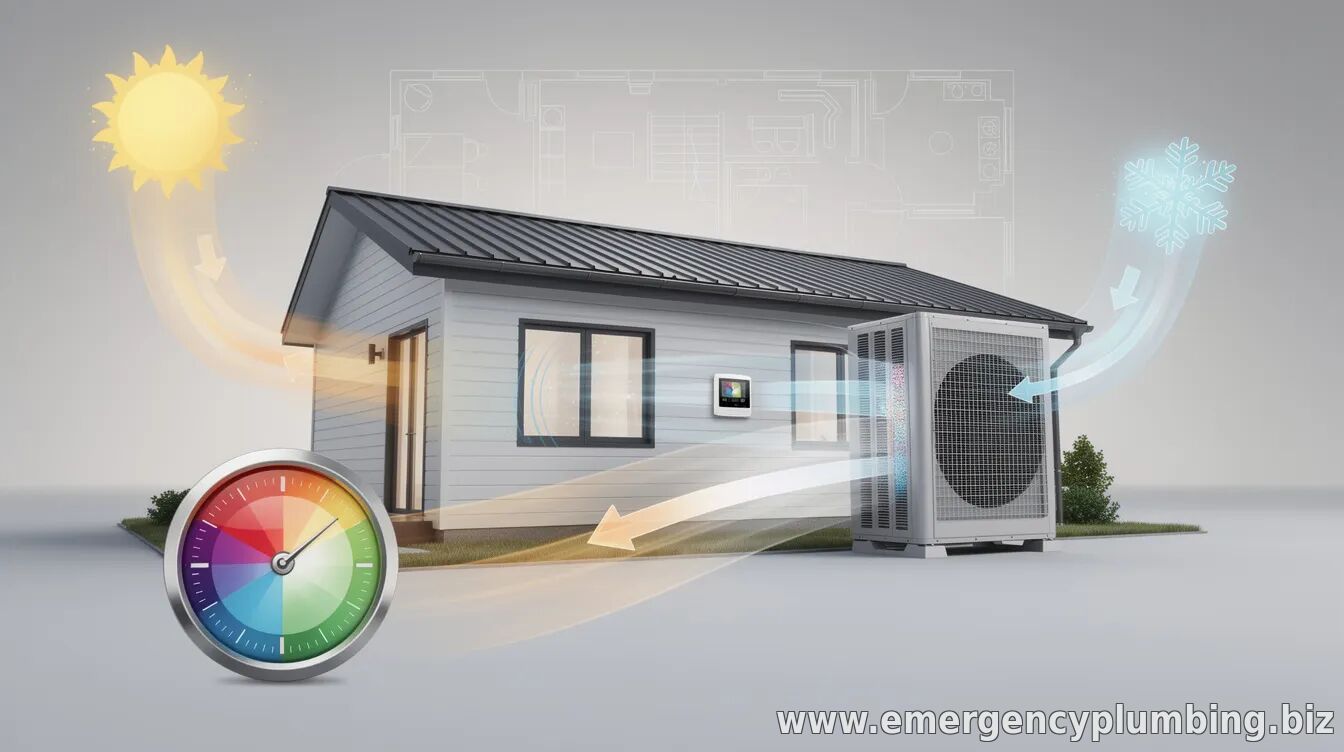
SEER stands for Seasonal Energy Efficiency Ratio. It measures the cooling output of an air conditioner or heat pump over a typical cooling season, divided by the amount of electricity consumed in watt-hours. In simple terms, a higher SEER number means the system provides more cooling for each unit of energy used.
Manufacturers test and rate units across standardized conditions to establish SEER ratings. The rating helps consumers compare models, estimate annual energy use, and predict potential savings on utility bills. SEER is most relevant in warm or hot climates where air conditioning dominates energy consumption during the summer months.
How SEER is calculated involves calculating the total cooling output (measured in BTU) across a range of indoor/outdoor temperatures and dividing by the total electrical energy input (in watt-hours) for those tests. The result is expressed as SEER, such as SEER 14, SEER 16, or higher for more efficient models.
Practically, when choosing an air conditioner or heat pump, a higher SEER rating generally translates to lower operating costs over time, though upfront costs are typically higher. Other factors like climate, usage patterns, and maintenance also affect overall savings.
For homeowners, looking at the SEER rating alongside Energy Star certifications and the system’s size and efficiency can help optimize comfort and cost. Regular maintenance, proper sizing, and smart thermostats can further improve efficiency beyond the SEER figure alone.
| |
⏰ Dispatcher support 24/7
📞 224-754-1984CALL ☎ Subscribe 👆 FORUM 🗣
North Shore, Northwest suburbs of Chicago, IL
Next & Previous posts
Related articles: