
5:32 AM Are Flushable Wipes Really Safe to Flush? | |
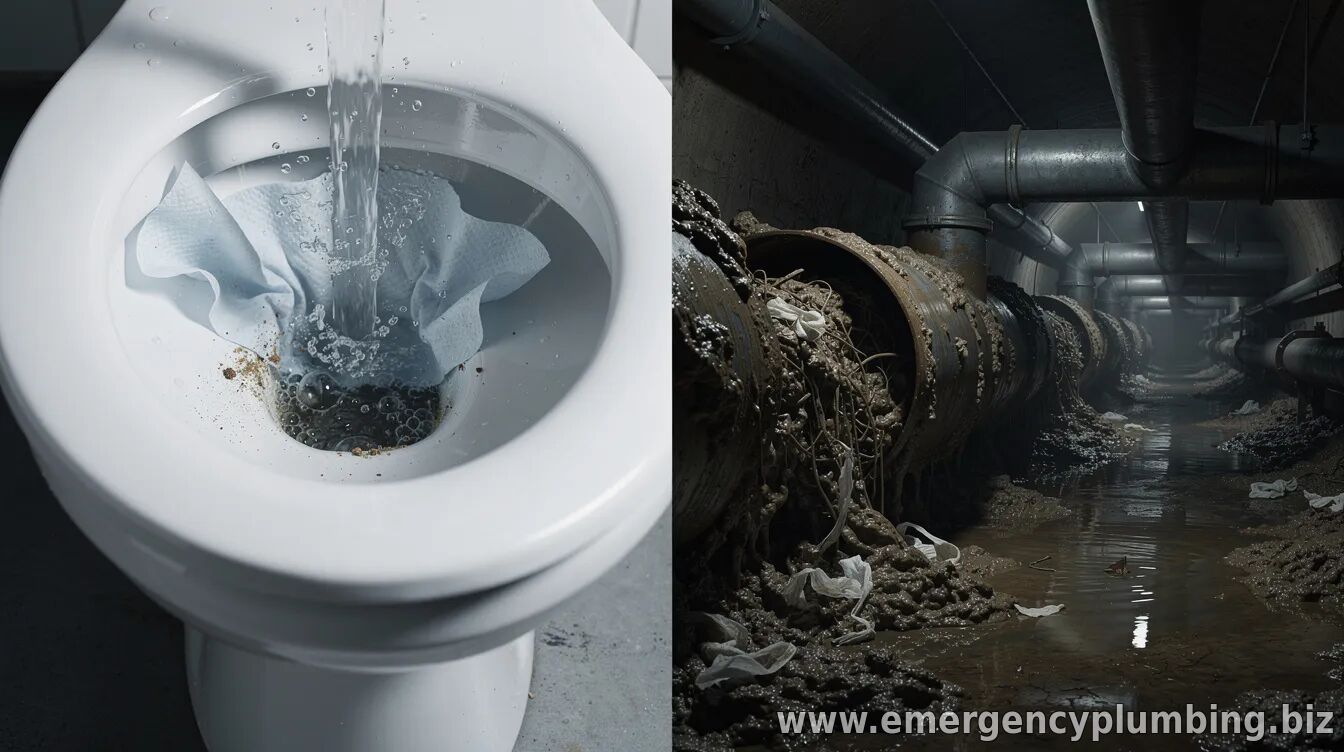
“Flushable wipes” are marketed as convenient alternatives to toilet paper, often with promises that they can be safely sent down the drain. But the reality for many wastewater systems is more complicated. Regulators, utilities, and plumbing professionals increasingly say that wipes—despite packaging claims—can survive long enough to create major problems. The issue isn’t only whether wipes ultimately degrade. It’s how they behave in the time between flushing and treatment, when they can tangle, mat, and build up on screens and in pipes. Even partial breakdown can still be enough to clog equipment and increase maintenance burdens across collection networks. Why “flushable” wipes can still cause trouble
Most sewer systems are not designed to handle fibrous plastics, adhesives, and strong nonwoven materials commonly found in many wet wipe products. In practice, wipes may tear into smaller pieces rather than fully dissolving—meaning those fragments can still snag, accumulate, and move downstream where they are harder to remove.
Once wipes reach lift stations and pumps, they can contribute to backups. Utilities also report that wipe buildup can worsen when combined with other “non-flushable” items, creating blockages that are costly to clear. What wastewater utilities and regulators typically recommend
Many local wastewater providers advise residents to put wipes in the trash, even when labels say “flushable.” Their concern is risk management: the performance of wipes can vary by product and by the specific conditions of a community’s sewer network, including flow rates, pipe materials, and treatment infrastructure.
Because conditions differ widely, a product that may break down more readily in some settings can still behave differently elsewhere. Utilities often prefer a conservative approach—reducing the chance that wipes will contribute to avoidable maintenance and environmental impacts.
In some regions, standards and certification programs exist to evaluate whether products meet certain disintegration criteria. However, critics argue that certifications and “test” conditions may not reflect real-world use, including plumbing variability and the time wipes spend traveling through collection systems. So are they “safe” to flush?
If “safe” means “guaranteed not to cause operational problems,” the safest answer is that flushable wipes are not risk-free. Even when they are designed to degrade to some degree, they can still contribute to clogs and maintenance issues in real sewer systems.
For most households, the practical guidance from wastewater professionals is straightforward: treat wipes like trash. If you want to use a wipe, look for disposal instructions on the packaging and follow your local utility’s “what not to flush” recommendations.
Bottom line: “Flushable” does not automatically mean “harmless.” Until you have clear, local confirmation that a specific product is accepted in your area’s sewer system, discarding wipes in the bin is the safer bet for preventing blockages.
If you’re unsure what your utility prefers, check their website for disposal guidance or search for their “do not flush” list—those pages are often updated as new evidence and product testing results emerge.
| |
⏰ Dispatcher support 24/7
📞 224-754-1984CALL ☎ Subscribe 👆 FORUM 🗣
North Shore, Northwest suburbs of Chicago, IL
Next & Previous posts
Related articles: