
0:42 AM Can You Use Hot Tap Water for Cooking? | |
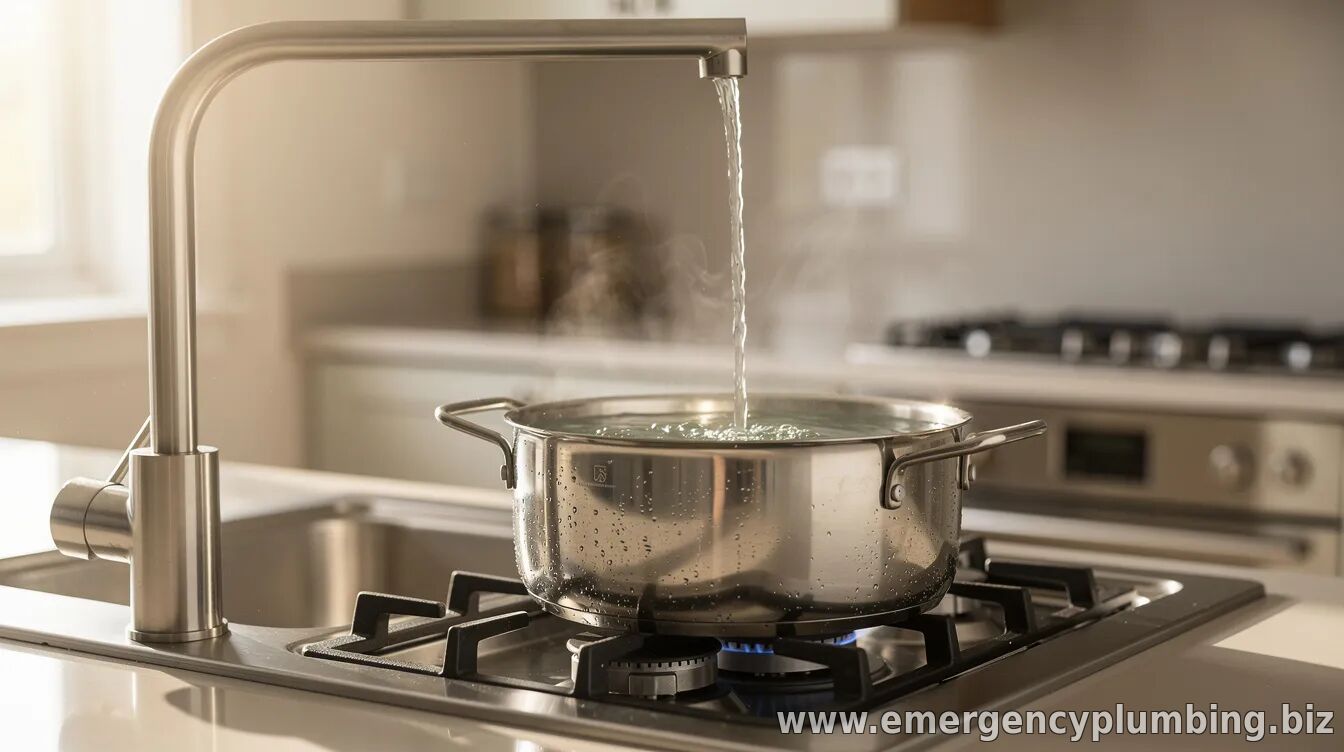
In many homes, the easiest way to start cooking—boiling water for pasta, warming tea, or rinsing produce—is to turn on the hot tap. But is that actually safe? In most situations, hot tap water is acceptable for cooking. However, a few plumbing and water-system factors can make cold water a safer default for drinking.
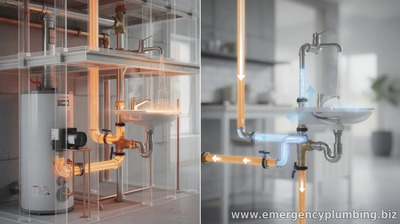
Hot water safety is largely determined by what happens inside your home between the water main and the faucet. Unlike drinking water, cooking typically involves heating the water to high temperatures, which can reduce the risk from many microbial contaminants. Still, heating does not remove certain chemical contaminants, so the type of issue matters. Lead and pipe materials matter most
If your home has older plumbing—such as lead service lines, lead solder, or lead-containing components—water can pick up metals as it sits in pipes. Using hot water immediately after it has been sitting can increase metal pickup in some cases, because water quality can change as it remains in contact with plumbing materials. For this reason, health guidance in many regions recommends using cold tap water for drinking and cooking whenever possible, especially when pipes are older.
A practical rule is to use cold water first for drinking and prepare hot drinks with hot water added later (for example, heating water in a kettle or microwave). When using hot tap water for cooking, it can help to run the tap briefly to flush water that has been sitting. Water heaters can affect flavor and sediment
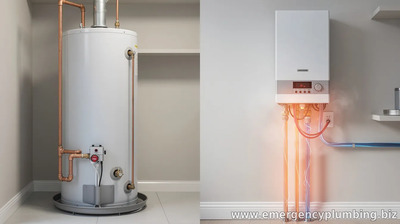
Hot water is heated in a water heater tank or produced by an on-demand system. In tank-style heaters, sediment can collect over time. This usually doesn’t pose the same concern as microbes, but it can affect taste, smell, and—less commonly—cause discoloration. If your hot water looks rusty or smells unusual, it’s a sign to address the water heater or plumbing before relying on hot water for cooking.
For on-demand heaters, the risks are often different: scaling or mineral buildup in heat exchanger components can affect water quality. Regardless of system type, persistent issues like discoloration or recurring odors should be investigated. Microbes: heat helps, but source problems still count
Hot water temperatures in normal use are often high enough to reduce many microorganisms. That’s one reason cooking with hot water is generally considered safe for the majority of households. Still, if water quality problems originate from the municipal supply or a home plumbing malfunction, temperature alone may not be enough to guarantee safety.
If there is an ongoing boil-water advisory, contamination event, or warning from your local utility, follow official guidance even if hot water is being used. Best practices for safer cooking
For day-to-day cooking, you don’t necessarily need to avoid hot tap water. But you can reduce risk by adopting a few habits:
When to take action
If you suspect a specific problem—such as frequent rusty hot water, metallic tastes, or you live in a home with older plumbing—water testing can provide clarity. Many areas also offer guidance on lead testing and remediation steps, including filter options (selected appropriately for your concern).
Ultimately, hot tap water is usually fine for cooking, but cold water is often the safer choice for drinking, especially in older homes. When in doubt, flushing the tap briefly, watching for changes in appearance or odor, and following local water guidance can help keep your kitchen routine both convenient and safe.
| |
⏰ Dispatcher support 24/7
📞 224-754-1984CALL ☎ Subscribe 👆 FORUM 🗣
North Shore, Northwest suburbs of Chicago, IL
Next & Previous posts
Related articles: