

1:02 AM Battery Backup Sump Pumps vs. Water-Powered Pumps | |
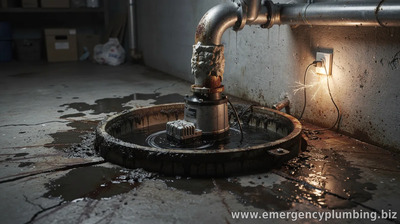
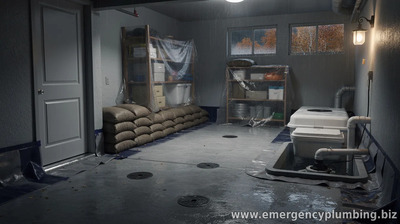
A sump pump is one of the most important safeguards for homes prone to flooding, but heavy storms and power failures can still leave basements vulnerable. Two common backup approaches—battery backup sump pumps and water-powered sump pumps—handle outages differently, with distinct trade-offs for reliability, installation, and ongoing upkeep. Battery backup sump pumps: steady power during outages
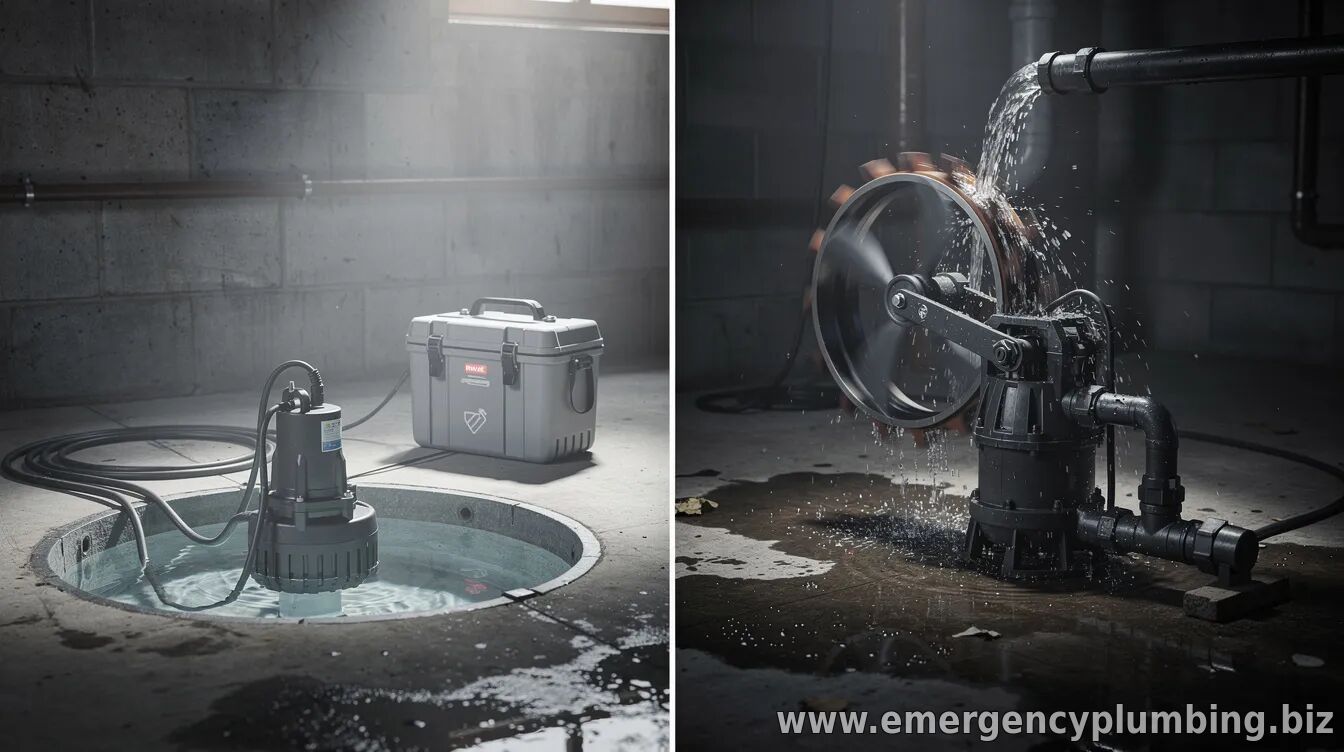
Battery backup sump pump systems use a dedicated battery (often with a charger and alarm) to run the primary pump when electricity goes out. Many setups automatically switch over during an outage, helping keep water from rising while the grid is down.
Key advantages include controlled performance during outages and broad compatibility with many sump pump installations. Battery systems are also typically designed to respond quickly when the float switch signals rising water levels.
Key limitations are tied to battery capacity and maintenance. Batteries degrade over time, so owners need a replacement plan and should test the system periodically. In long outages, runtime may become a concern depending on battery size, pump wattage, and how much water the pump must move. Water-powered sump pumps: no electricity required
Water-powered sump pumps (often called hydro-powered or water backup pumps) use pressure from your home’s incoming water supply to move water out through a discharge line. Because they don’t rely on electrical power, they can be attractive in areas with frequent outages.
Key advantages include independence from electricity during storms and potentially simpler operation—no battery to monitor in the same way. If your water supply pressure is adequate, these systems can maintain pumping action until grid power returns or water pressure drops.
Key limitations often depend on plumbing realities. If municipal water pressure is reduced during emergencies, or if the home’s supply pressure is marginal, the pump’s effectiveness may drop. Installation can also be more complex, and some owners may need specific check valves and plumbing configurations to prevent backflow issues. Which is better? A practical decision guide
Homeowners usually choose based on outage patterns, water-supply reliability, and how much maintenance they’re willing to manage. Battery backup is often the stronger fit for homes that want predictable pumping during outages and already have space or infrastructure for the battery system.
Water-powered backup may be preferable where power outages are common but municipal water pressure is generally stable. However, it’s essential to confirm your water pressure during peak conditions and during outages—especially if your area frequently experiences system-wide water disruptions.
Regardless of the type, most installers recommend pairing backup pumps with a reliable alarm (audible and/or remote), keeping discharge lines clear, and testing periodically. Backup systems are only effective if they’re properly sized for your sump basin and local drainage conditions.
When in doubt, consult a licensed plumber or pump specialist to evaluate your current sump pump, check valve arrangement, discharge routing, and available space. A correctly sized battery system or properly configured water-powered setup can provide real protection when weather and power both turn unpredictable.
| |
⏰ Dispatcher support 24/7
📞 224-754-1984CALL ☎ Subscribe 👆 FORUM 🗣
North Shore, Northwest suburbs of Chicago, IL
Next & Previous posts
Related articles: