
0:33 AM Water Quality in Lake Forest: Homeowners’ Key Checks | |
Water quality is one of those issues that rarely stays “set and forget.” Even in well-managed systems, changes in rainfall, aging infrastructure, and local land use can affect what ends up in your tap. For residents in Lake Forest, knowing the right checks—and doing them at the right time—can help ensure safer drinking water at home. Start with the source: utility water vs. a private well
The first question for any homeowner is where their water comes from. Many Lake Forest households receive treated water through a municipal or community provider, while others may rely on private wells. The risk profile and the best next steps differ: utility customers should focus on public testing results and household plumbing considerations, while private-well owners need a more hands-on testing plan. Know what to look for in public reports
If you get water from a utility, the provider typically publishes annual drinking-water quality reports (often called Consumer Confidence Reports). These documents summarize testing results, detected contaminants, and compliance status. Homeowners should review whether the report mentions any detected substances of concern, what the monitoring frequency is, and whether there are any recent advisories.
Beyond the numbers, pay attention to system notes—such as treatment changes, source-water updates, or distribution-line issues—because they can affect how relevant the data is to your neighborhood in the short term. Private wells: testing is non-negotiable
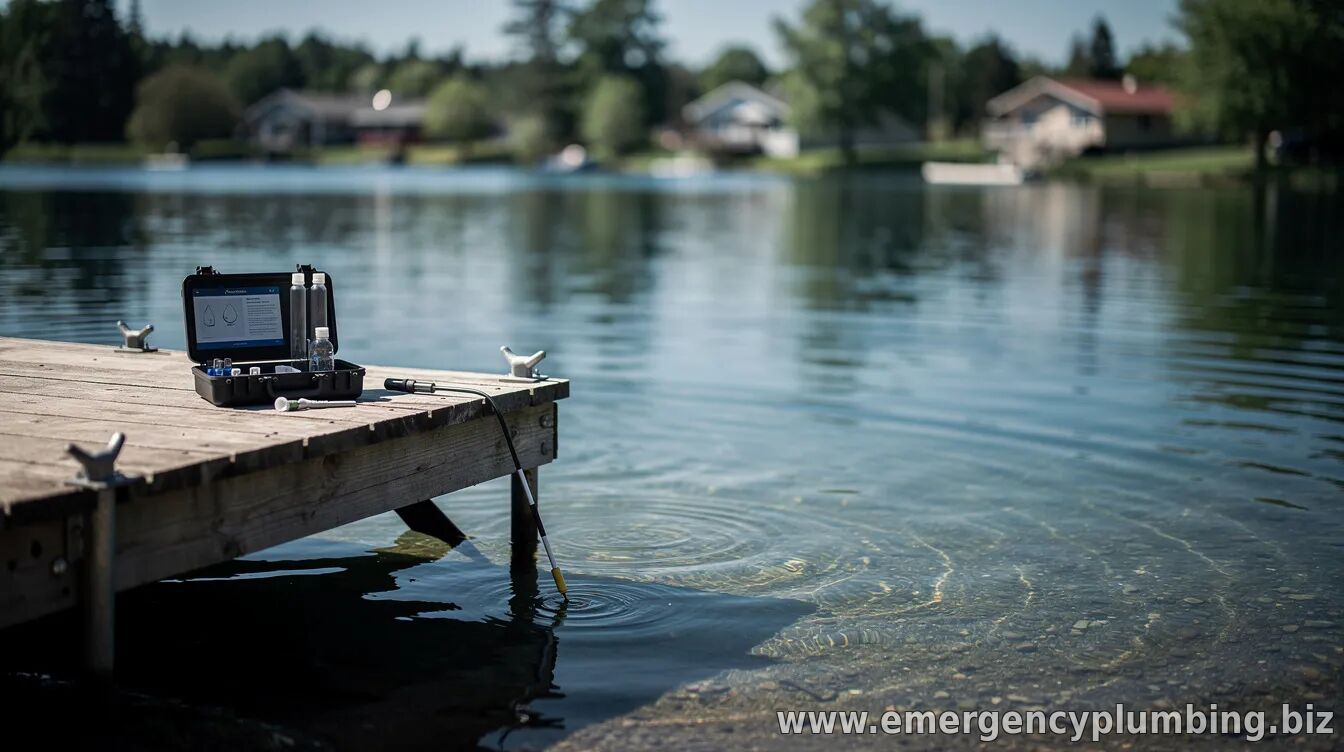
For households with wells, there is no automatic, system-wide oversight. Wells can become contaminated by naturally occurring minerals, seasonal changes, nearby septic systems, agricultural activity, or construction runoff. Most experts recommend routine testing on a schedule (commonly at least annually for key indicators, with additional tests when conditions change), and testing again if you notice changes in taste, odor, or color.
Plumbing matters: the “last mile” of water quality
Even when source water is treated, household plumbing can influence what comes out of the tap. Older pipes, galvanized lines, solder, and certain plumbing fixtures can contribute contaminants under specific conditions. If your home is older or has had plumbing repairs, consider taking precautions like flushing cold-water lines after long periods of non-use and using appropriate filters when warranted.
If you’re concerned about lead or corrosion, don’t rely on assumptions—use targeted testing. Some contaminants are better detected with proper sampling techniques, such as first-draw tests, which take into account how water sits in household pipes. Watch for warning signs—and respond quickly
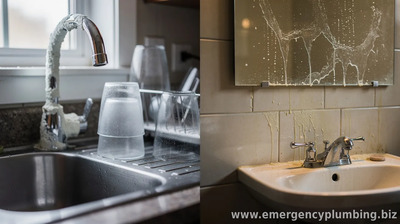
Homeowners should treat changes in water appearance and taste as information, not noise. A sudden shift in color, persistent cloudiness, metallic taste, unusual odors, or recurring sediment can indicate localized issues in the distribution system or disturbed conditions affecting a well. If you see problems, document them (dates, times, and whether it’s hot vs. cold water) and contact your water provider or a qualified water-testing service.
In cases of emergency or official advisories, follow local guidance immediately. When health risks are suspected, timing matters—especially for drinking and cooking water. How to choose tests and filters
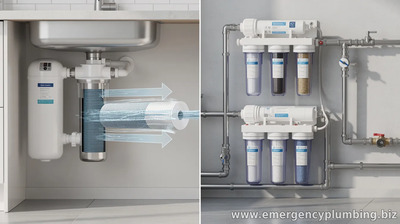
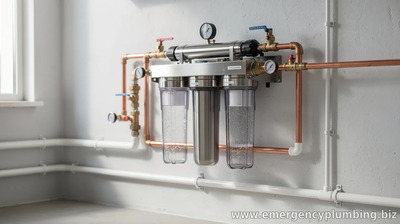
Not all tests are equally useful, and not all filters address every concern. Choose a lab or testing provider with a clear chain of custody and relevant methods. For treatment, select certifications appropriate to the contaminant you’re targeting (for example, filters rated for specific chemical classes or certified performance standards). If you use a filter, maintain it—cartridges have lifespans, and neglect can reduce performance or create new issues.
When in doubt, start with the most likely risks for your situation: utility households should confirm whether there are any local advisories and address household plumbing; well owners should prioritize microbial and nitrate testing, plus any contaminant categories that match local geology and land-use patterns.
Water quality protection in Lake Forest is a practical, homeowner-driven effort: review public reports if you’re connected to a system, test private wells regularly, and don’t overlook the impact of home plumbing. With the right checks, you can reduce uncertainty and make evidence-based choices about filters, sampling, and next steps.
| |
⏰ Dispatcher support 24/7
📞 224-754-1984CALL ☎ Subscribe 👆 FORUM 🗣
North Shore, Northwest suburbs of Chicago, IL
Next & Previous posts
Related articles: