3:58 AM Do UV Air Purifiers Actually Work? What to Know | |
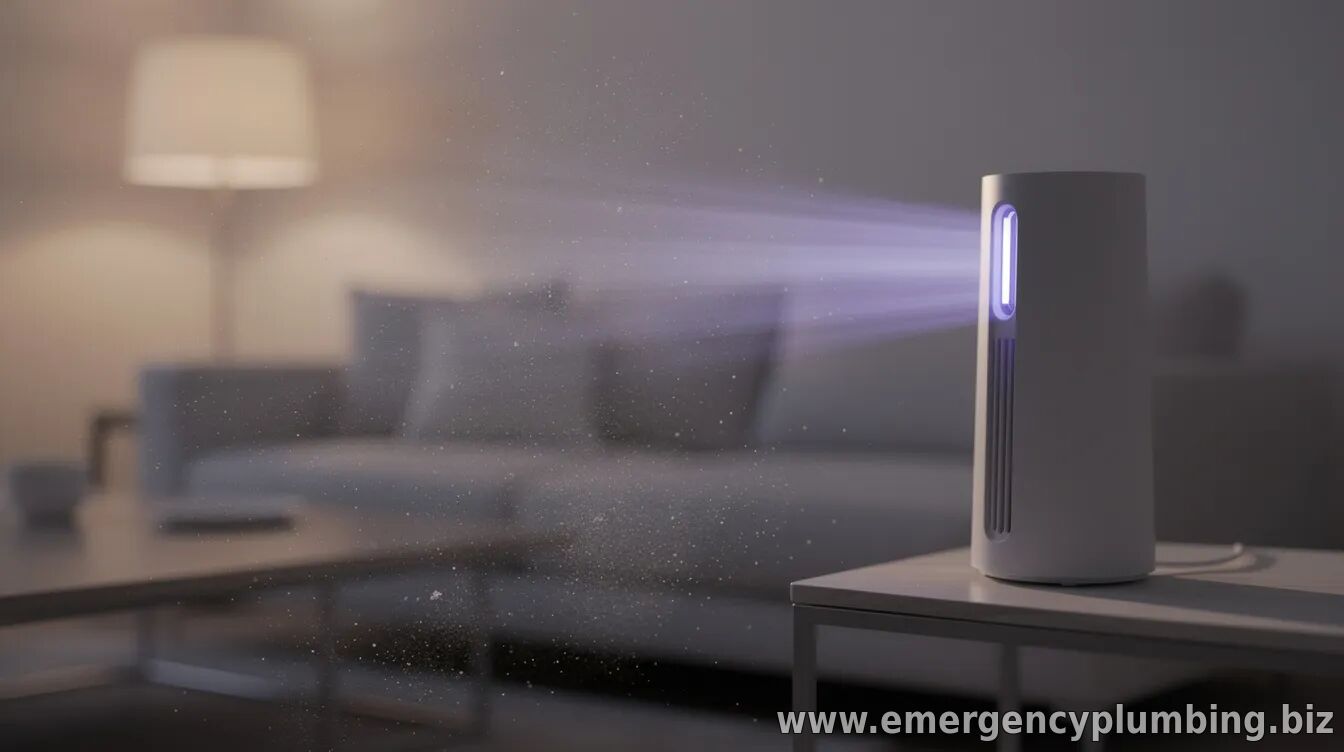
UV air purifiers—devices that use ultraviolet light to inactivate germs—are widely marketed as a way to “sterilize” indoor air. The short answer is: they can work, but only under certain technical conditions, and they are not a guaranteed fix for all indoor air quality problems.
Unlike HEPA filters, which physically capture particles, UV systems rely on light energy to damage the DNA or RNA of microbes. That means performance hinges on whether UV light is strong enough, delivered in the right wavelength, and allowed sufficient exposure time. What UV purifiers can realistically do
UV-C light (typically around 254 nm) is the form most commonly used for disinfection. In well-designed setups—such as UV lamps installed in ductwork or inside a sealed treatment chamber—UV-C can reduce concentrations of certain bacteria and viruses in the air passing near the lamp. Some systems also target microbes on internal surfaces to limit growth inside the unit.
However, UV does not “clean everything.” It doesn’t reliably neutralize pollutants like smoke particles, volatile organic compounds (VOCs), or most allergens by itself. For those, filtration (especially HEPA) and ventilation or other controls are usually more effective. Why results vary from room to room
The main limitation of many consumer UV purifiers is exposure. UV light loses intensity with distance, and air movement may be too fast for germs to receive an effective dose. If the UV lamp is exposed to open room air without a controlled airflow path, only a fraction of what moves in the room may get enough UV exposure to be meaningfully inactivated.
Device design also matters: enclosed “in-duct” or “in-chamber” UV systems often perform more consistently because they force air to pass near the lamp. In contrast, upper-room UV fixtures or standalone room UV devices may be harder to verify without knowing airflow patterns, lamp power, and installation details. Safety and effectiveness: key considerations
UV-C can be harmful to skin and eyes. Credible products incorporate shielding, interlocks, or placement that prevents direct exposure. Buyers should look for clear safety engineering and avoid DIY UV setups inside living spaces.
Effectiveness claims should also be scrutinized. Marketing language like “kills germs instantly” is often misleading; UV disinfection generally depends on dose, which is influenced by lamp output, distance, airflow rate, and operating time. Independent testing or transparent performance specifications are more trustworthy than broad assurances. So, should you buy one?
UV purifiers can be a useful supplement in certain contexts—especially when paired with filtration or used in controlled airflow designs. If your goal is reducing airborne particles (like dust, pollen, and many smoke components), a HEPA air purifier is typically the most direct option. Many of the most practical approaches combine a physical filter with UV for added microbial control.
For best results, consider your actual target: if it’s particulate reduction, prioritize HEPA and ventilation. If it’s microbial risk, look for enclosed UV designs with documented safety features—and understand that UV alone may not address the full range of indoor air contaminants.
In short, UV air purifiers do work in the right conditions, but “works” depends on design and verification—not just the presence of a UV lamp. If you’re comparing models, focus on wavelength, exposure pathway (how air is treated), safety protections, and credible testing rather than the most aggressive claims.
| |
⏰ Dispatcher support 24/7
📞 224-754-1984CALL ☎ Subscribe 👆 FORUM 🗣
North Shore, Northwest suburbs of Chicago, IL
Next & Previous posts