

8:36 AM Electric Water Heater Installation and Repair Guide | |
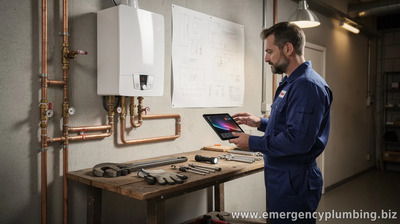
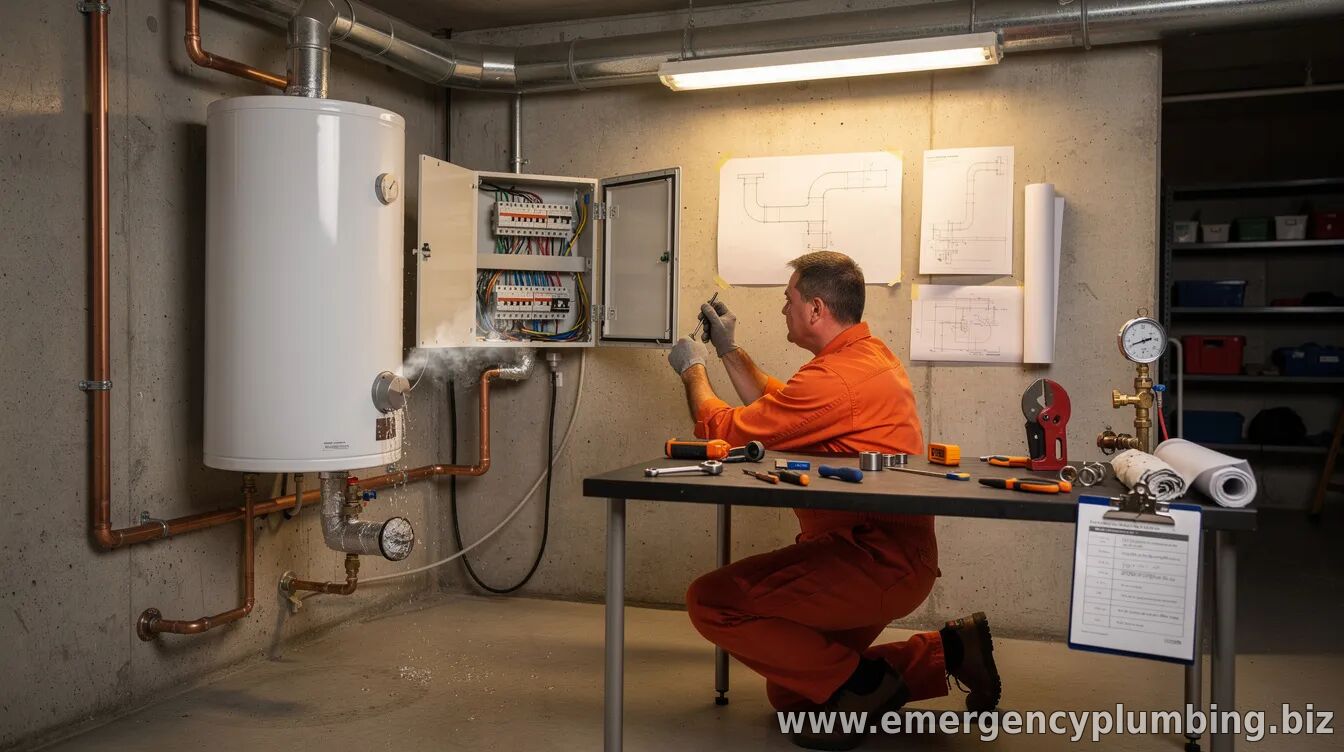
Installing or repairing an electric water heater can improve home comfort and energy efficiency, but it also involves electrical work and plumbing. This guide lays out practical steps, common issues, and safety reminders to help you decide when to DIY and when to call a licensed pro.
Why choose electric water heaters The vast majority of homes use electric resistance heaters or heat pump water heaters, valued for reliability and ease of installation compared with gas units. Electric models require a dedicated circuit, proper wiring, and correct venting practices where applicable.
Before you begin Determine the unit type, capacity (in gallons), and energy factor. Check local codes and the water heater’s manual for wiring diagrams, breaker sizing, and installation clearances. Gather tools: adjustable wrench, pipe wrench, Teflon tape, pipe cutter, voltage tester, pipe insulation, and a bucket for leaks.
When hiring a pro, expect a licensed electrician for electrical connections and a skilled plumber for plumbing connections. For in-home safety, turn off power at the main breaker before any work, and drain the tank to release pressure when removing a faulty unit.
Installation steps (overview) 1) Remove the old unit and inspect the location for clearance and venting requirements; 2) Install the new model on a stable base with proper mounting; 3) Connect water inlet and outlet pipes with appropriate fittings and Teflon tape; 4) Wire the unit to a dedicated 240-volt circuit sized for the heater’s wattage; 5) Set the thermostat and test for leaks and proper operation. Always follow the manufacturer’s instructions and local codes.
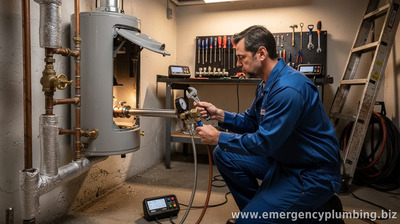
Common repair tasks Leaking tank, faulty thermostat, and thermostat timer issues are among the frequent calls. Address leaks by tightening connections and replacing defective valves; a leaking tank often means it’s time for replacement. If the thermostat cannot regulate temperature, inspect wiring, sensors, and setpoints. Don’t bypass safety features or insulation that supports energy efficiency.
Electrical and safety considerations Electric water heaters require a grounded circuit, appropriate breaker size, and proper venting where needed. Use a ground-fault circuit interrupter (GFCI) for receptacles near installation sites, and ensure the thermostat is set to a safe range (typically 120–140°F for most households) to avoid scalding and energy waste.
Maintenance tips Regularly flush the tank to remove sediment, inspect anode rods to prevent rust, and check pressure relief valves. Inspect the wiring and insulation periodically. A professional inspection every few years can extend the unit’s life and improve efficiency.
What to do next If you’re unsure about electrical safety, voltage compatibility, or piping layouts, consult a licensed electrician and plumber. For DIY projects, start with a clearly labeled plan, take precise measurements, and work slowly to avoid damage or injury.
| |
⏰ Dispatcher support 24/7
📞 224-754-1984CALL ☎ Subscribe 👆 FORUM 🗣
North Shore, Northwest suburbs of Chicago, IL
Next & Previous posts
Related articles: