
1:16 AM Key steps for water treatment installation and maintenance | |
Water treatment systems protect communities by removing contaminants and ensuring reliable, clean supply. But the benefits depend on getting installation right the first time—and keeping performance stable through regular maintenance and monitoring. Start with site assessment and design
Before installation, operators typically conduct a site assessment to understand source water quality, seasonal changes, and local operating conditions. System design should be based on measured parameters such as turbidity, microbial indicators, hardness, and chemical composition, ensuring the equipment is sized and configured for actual demand.
Design decisions—like whether to use filtration, disinfection, softening, or specialized treatment—also need to account for worst-case water quality and required treatment targets. A well-documented design reduces the chance of underperformance after commissioning. Install to standard and commission thoroughly
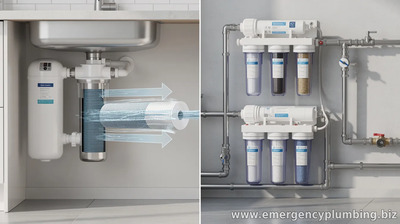
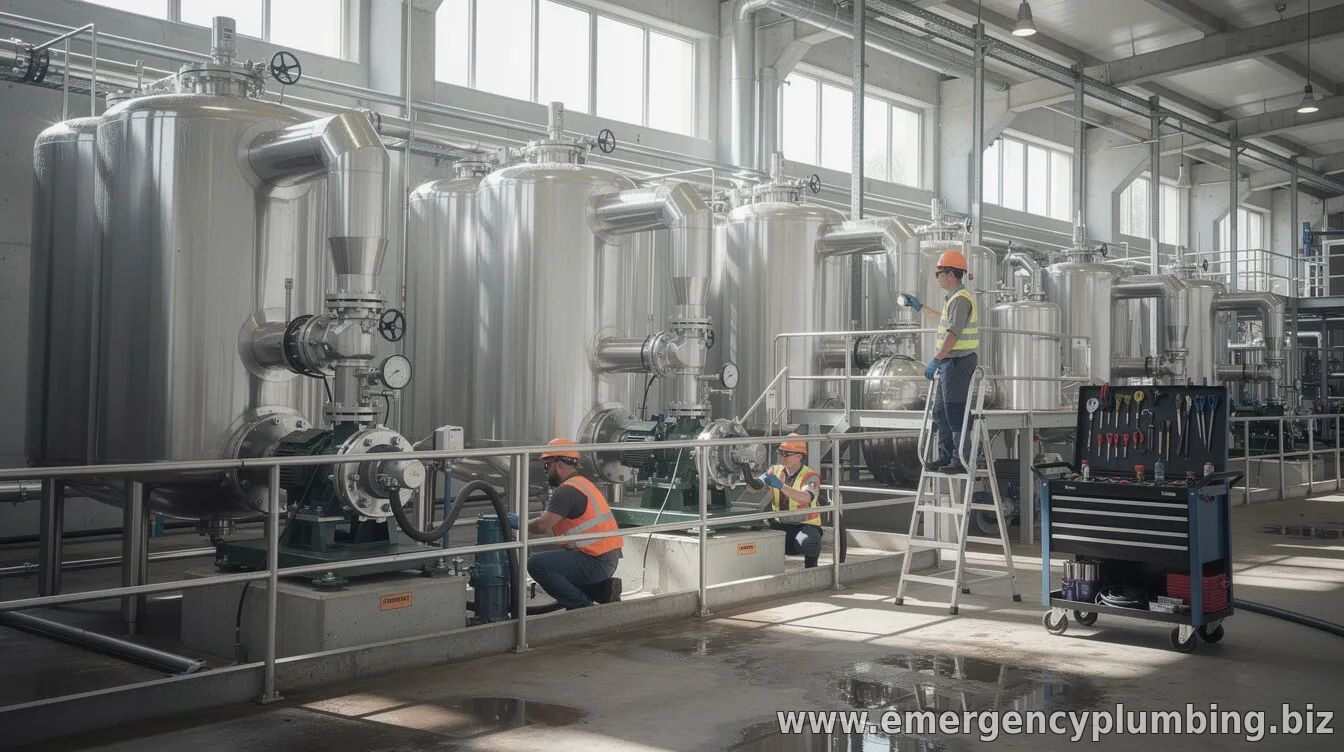
Correct installation includes proper plumbing layout, secure fittings, correct media and chemical dosing setup, and verification of instrumentation such as flow meters and pressure gauges. Even small errors can compromise treatment efficiency or lead to leaks and pressure losses.
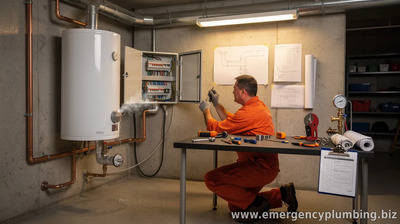
Commissioning is where systems are tested under real operating conditions. Operators commonly run performance checks for flow rates, residual disinfectant levels, filtration behavior, and equipment calibration, then document results for future reference. Commissioning should also confirm that safety and control systems—alarms, shutoffs, and interlocks—function properly. Run routine monitoring and keep records
Ongoing water quality monitoring is a cornerstone of maintenance. Depending on the system and regulatory requirements, operators may track parameters such as disinfectant residuals, pH, conductivity, turbidity, microbial indicators, and chlorine demand (where applicable). Monitoring schedules should reflect operating cycles and risk levels.
Equally important is recordkeeping: logs of test results, maintenance actions, chemical deliveries, filter media changes, and equipment downtime. Complete records make it easier to spot trends, respond quickly to issues, and satisfy audits and compliance checks. Maintain critical components on a schedule
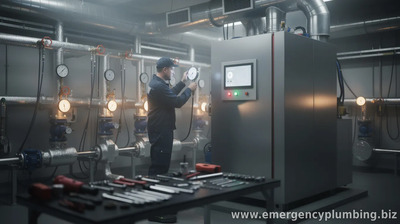
Many systems require periodic attention to parts that directly affect treatment performance. That can include filter media inspection or replacement, backwashing and cleaning routines, calibration of sensors, verification of pumps and valves, and inspection of tanks and pipework for wear or scale buildup.
Chemical systems also need careful oversight. Operators typically monitor dosing accuracy, check for clogging in lines or injectors, verify storage and containment practices, and ensure ventilation and handling procedures are followed—especially for corrosive or hazardous chemicals. Plan for troubleshooting and upgrades
Even well-maintained systems can experience fluctuations caused by power disruptions, source water variability, equipment aging, or unusual contamination events. Having a written troubleshooting plan—plus spare parts and clear escalation steps—helps reduce downtime and protects water quality.
Over time, upgrades may become necessary to improve reliability or address new regulatory standards. Planning maintenance and performance reviews can guide decisions on replacing aging equipment, enhancing automation, or adding treatment steps when source conditions change.
When it comes to water treatment installation and maintenance, consistency matters: thorough design and commissioning at the start, followed by regular monitoring, scheduled servicing, and careful documentation. These measures collectively reduce safety risks, prevent costly failures, and help ensure stable water quality for users.
| |
⏰ Dispatcher support 24/7
📞 224-754-1984CALL ☎ Subscribe 👆 FORUM 🗣
North Shore, Northwest suburbs of Chicago, IL
Next & Previous posts
Related articles: