
0:40 AM Emergency Eyewash Stations: Office Compliance Requirements | |
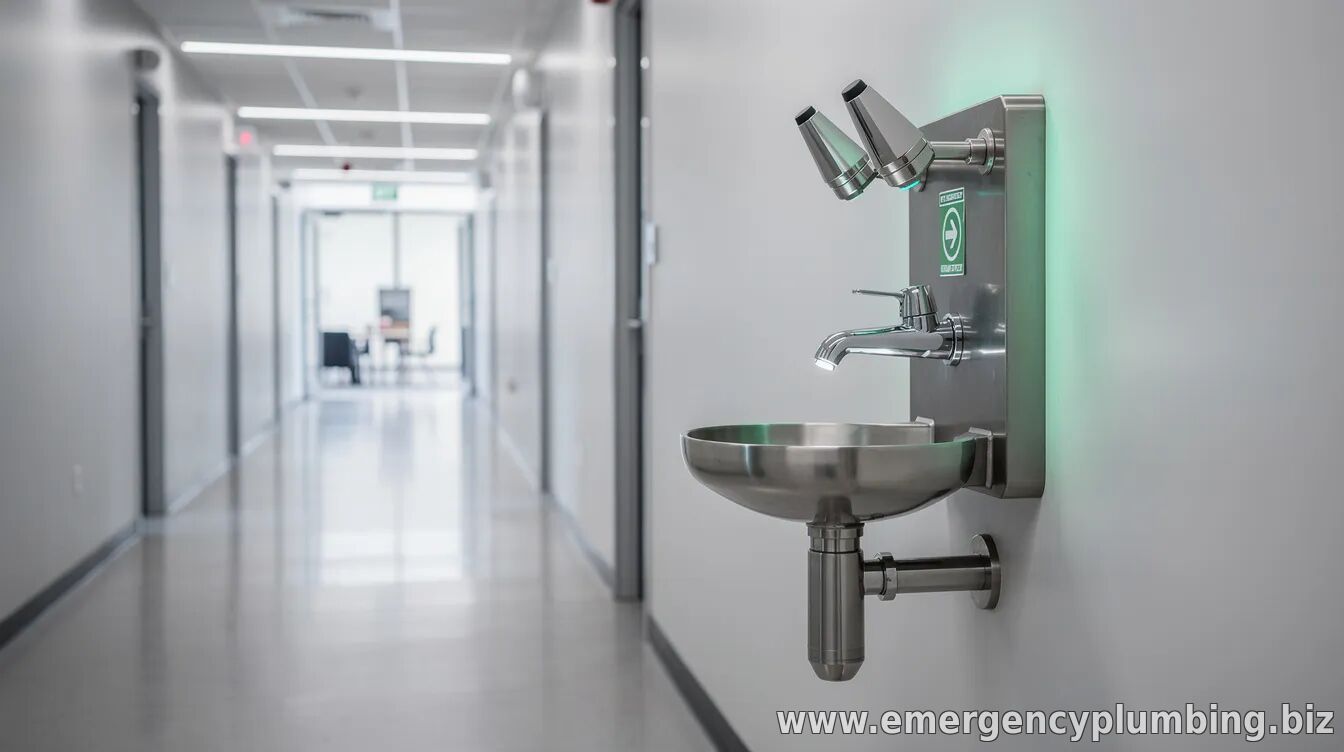
Emergency eyewash stations are designed to provide immediate flushing for the eyes following exposure to hazardous liquids or airborne particulates. For offices that store, use, or occasionally handle chemicals—such as cleaners, lab reagents, photo chemicals, adhesives, or maintenance solvents—eyewash access is often treated as a life-safety requirement rather than a “nice to have.”
While exact rules can vary by jurisdiction and the type of workplace hazards, compliance typically centers on the same core expectations: correct location, fast access, proper equipment performance, and routine inspection and maintenance. The goal is to ensure a victim can reach flushing support within seconds and receive effective flow for the required duration. 1) Confirm you actually need eyewash equipment
Start with a hazard assessment. If there is a credible risk of eye contact with hazardous materials—whether from chemical handling, mixing, transfer, or splash-generating tasks—regulators and safety frameworks generally expect emergency eyewash provisions. If only low-risk products are present, the required response may still include other controls (such as safer product selection and training), but many offices need at least an eyewash-ready approach for certain chemical activities.
Document what products are used, where, how they are used, and what incidents could occur. This information supports decisions about whether an eyewash station is required, where it should be placed, and what signage or training is needed. 2) Placement and accessibility must be “immediate”
Compliance requirements commonly specify that eyewash equipment be located so that it is accessible without obstacles and without requiring a person to travel through hazardous conditions. In practical terms, offices should ensure eyewash stations are positioned near the risk area—typically where the splash exposure could occur—rather than in a remote supply closet.
Key accessibility expectations often include:
Some standards also address how far the unit can be from the hazard and require it to be positioned to minimize the chance of delay. 3) Provide the right flushing performance and temperature
Eyewash stations must deliver effective flushing to the eyes. Compliance frameworks typically require adequate flow rate and a flushing capability that supports immediate irrigation. In many contexts, equipment is expected to run long enough to support a thorough rinse (often specified as a minimum duration in applicable standards).
Temperature is another frequent compliance element. Many requirements call for flushing water that is comfortable enough to encourage immediate use and sustained rinsing—commonly by maintaining tempered water delivery rather than extremely cold water that could cause avoidance.
Offices should also ensure the station type matches the risk. For example, plumbed eyewash units, portable eyewash options, or eyewash bottles may be treated differently depending on the hazard assessment and whether they can meet required performance conditions. 4) Inspection, testing, and maintenance are part of “ready” compliance
Even a correctly placed eyewash station may fail compliance if it is not maintained. Many regulatory and safety expectations require routine inspection and functional testing to confirm the equipment is operational—particularly for plumbed units where water stagnation can occur.
At minimum, offices should establish a written program that includes:
Inspection frequency can differ based on the equipment type, manufacturer guidance, and the governing requirements in your area. The most defensible approach is to combine applicable standard expectations with manufacturer recommendations and your internal hazard plan. 5) Train employees and practice what to do
Compliance is not only equipment—it’s also action. Employees must know where eyewash stations are, how to use them, and when to begin flushing immediately. Training should cover the urgency of eye exposure, the need to remove contact lenses if present (as appropriate to your guidance and medical advice), and the importance of seeking medical evaluation after flushing.
Many offices strengthen compliance by pairing eyewash instructions with incident response procedures (including reporting routes and first-aid/medical escalation). When eyewash use is rare, short, periodic refreshers and drills can prevent critical delays.
Because standards and enforcement can vary, offices should coordinate with their safety officer, facilities team, and—where needed—qualified occupational safety professionals to validate requirements for their location and chemical inventory. Reviewing the hazard assessment, equipment specifications, inspection logs, and training records is a practical way to demonstrate readiness.
For organizations planning updates, the next step is straightforward: verify hazard exposure points, confirm the eyewash station meets placement and performance expectations, establish a documented inspection schedule, and ensure employees can reach and operate the station instantly when it matters most.
| |
⏰ Dispatcher support 24/7
📞 224-754-1984CALL ☎ Subscribe 👆 FORUM 🗣
North Shore, Northwest suburbs of Chicago, IL
Next & Previous posts