

8:51 AM Reverse Osmosis Maintenance: Filter Replacement Schedule | |
Reverse osmosis (RO) systems can produce high-quality drinking water for years, but only if their components are maintained. The key to reliable output and low repair risk is following a filter replacement schedule—then adjusting it based on your water quality, usage, and how your system performs between changes.
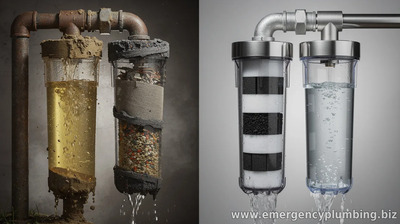
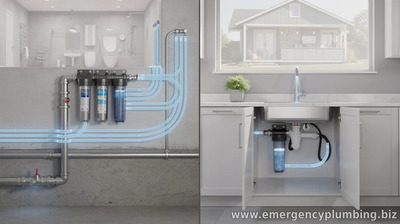
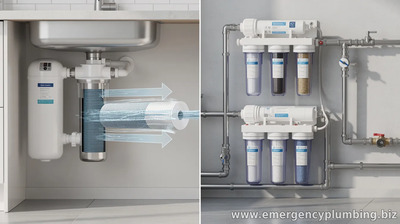
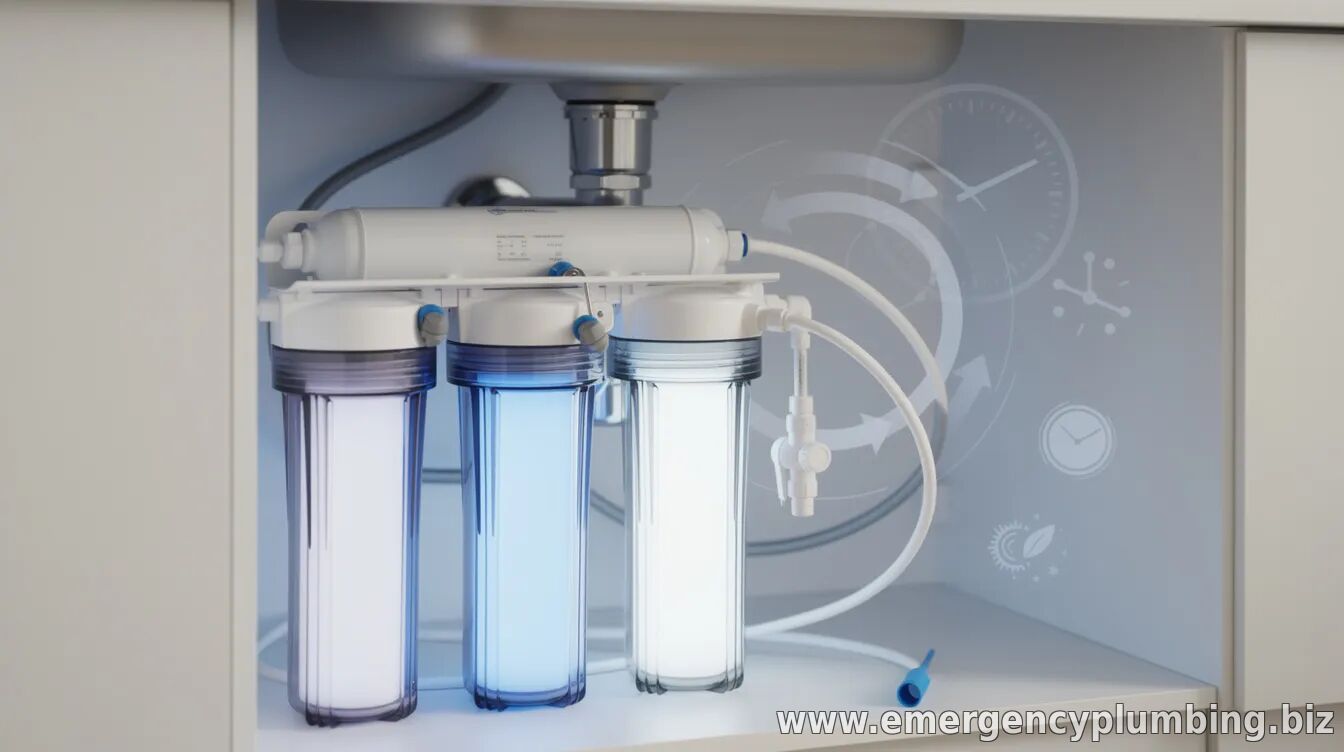
Most home RO units use multiple treatment stages. Typically, a sediment filter removes particles, carbon filters reduce chlorine and organic compounds, and the RO membrane performs the desalination. After those stages, post-filters (often carbon) can improve taste and protect storage tank water quality.
Common RO filter replacement schedule (typical ranges)
1) Sediment pre-filter (sediment/cartridge) Typical replacement: every 3–6 months.
2) Carbon pre-filters (GAC/CTO, chlorine & odor reduction) Typical replacement: every 6–12 months (sometimes up to 18 months depending on chlorine levels and system design).
3) RO membrane Typical replacement: every 2–5 years.
4) Post carbon filter (taste/odor polish) and/or remineralization stage Typical replacement: every 6–12 months.
5) Filters for additional stages (if included) Some systems add specialty media (e.g., scale inhibitor cartridges, UV units, or extra carbon). Follow the manufacturer’s schedule for these components, since they vary widely by design.
How to tailor the schedule to your household
Even within the same brand/model, replacement timing can differ. Adjust the schedule by tracking usage and water conditions.
What to look for between changes
Instead of relying only on calendar dates, pay attention to performance indicators. If your unit struggles to meet output needs, begins producing noticeably different taste, or your readings drift upward, you may need to replace a pre-filter sooner or schedule a membrane performance check.
Many RO membranes also benefit from periodic sanitizing or flushing routines, depending on manufacturer guidance. Flushing can help reduce buildup on the membrane surface—particularly if the system sits unused for extended periods.
When it’s time to replace: quick decision guide If you’re unsure what stage to change first, start with the component most likely to protect the membrane. In most designs, that means staying consistent with sediment and carbon pre-filter replacement; delayed pre-filters are a common reason membranes fail early.
Practical next steps For best results, confirm your specific system’s filter sizes and names in the manual, then create a calendar tied to the typical ranges above. Pair that with at least occasional water testing (TDS and, if relevant, chlorine) so the schedule reflects your actual conditions—not just generic estimates.
If you share your RO system model, your feed water source (municipal or well), and any TDS readings, you can refine the schedule more precisely.
| |
⏰ Dispatcher support 24/7
📞 224-754-1984CALL ☎ Subscribe 👆 FORUM 🗣
North Shore, Northwest suburbs of Chicago, IL
Next & Previous posts
Related articles: