

1:34 AM Signs Tree Roots May Have Invaded Your Sewer Line | |
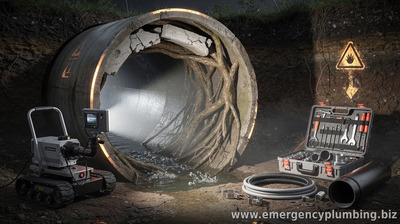
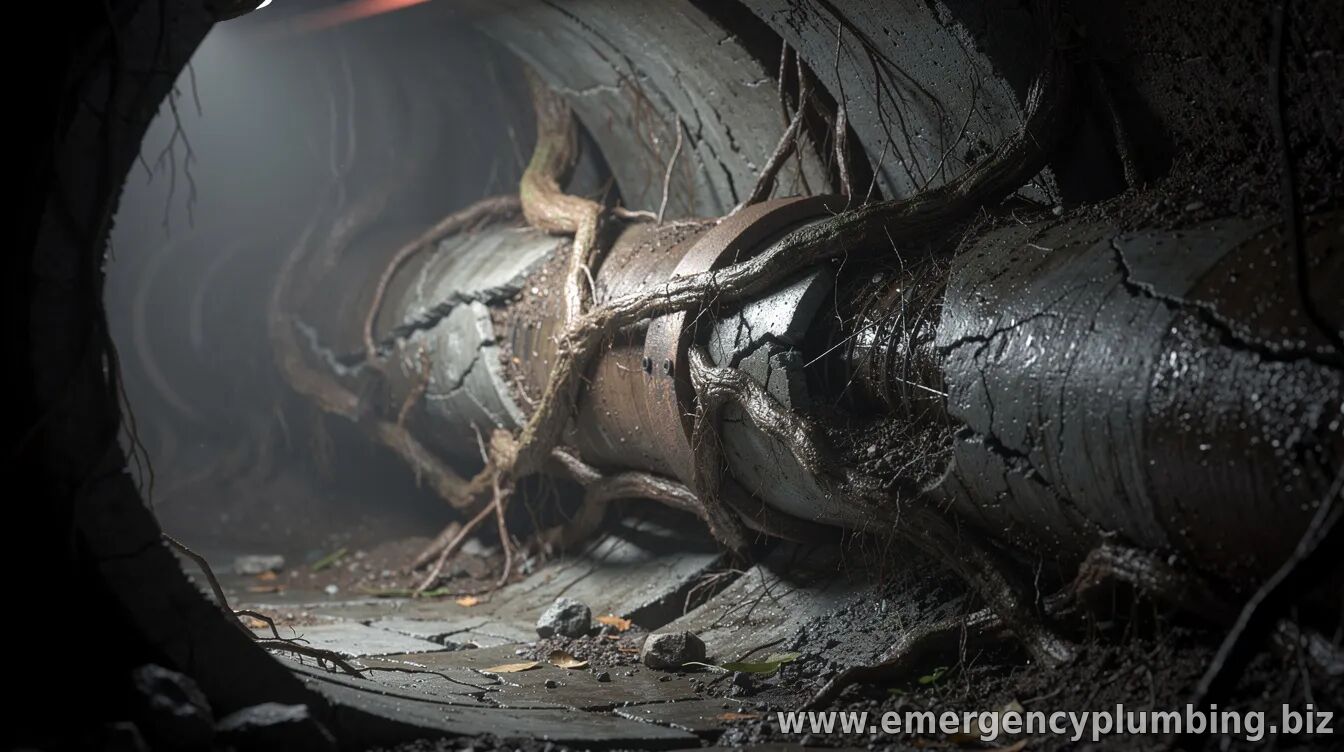
Tree roots naturally seek moisture, and sewer lines—especially older pipes with small cracks or joints—can offer an easy path. Over time, roots may invade the line, snag debris, and restrict wastewater flow, leading to slow drains, backups, and unpleasant smells.
Because root intrusion can worsen quickly and can cause costly pipe damage, it helps to recognize early warning signs before a minor issue turns into a major blockage. Slow drains and repeated clogs
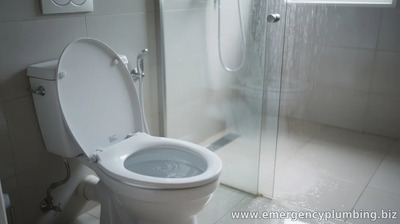
If sinks, showers, or toilets drain slowly—or the same fixture keeps clogging despite routine cleaning—tree roots could be creating partial blockages inside the sewer line. Root growth is often progressive, so the problem may start mildly and worsen over weeks or months. Gurgling sounds from drains
Unusual gurgling in toilets or tubs, especially after flushing or using multiple fixtures at once, can indicate air and water are struggling to move through a restricted sewer line. While this can also occur from other plumbing issues, root-related blockages are a common cause. Bad odors and sewage-like smells
A persistent sewage smell inside or around the property can be a sign that waste isn’t flowing properly. When a sewer line is partially blocked, gases and odor can escape through cracks, cleanouts, or fixtures. Backups in multiple drains
Backups that affect more than one area—such as both a tub drain and a nearby toilet—or that occur after light water use can point to a main line problem rather than a single clogged trap. Root intrusion is especially likely when backups appear consistently in the same location. Changes in yard drainage or unusual wet spots
If you notice damp ground, soggy patches, or drainage problems near where sewer lines run, roots may be interfering with flow and contributing to localized backups or leaks. While these symptoms can have many causes, they’re worth investigating when combined with indoor plumbing signs. Why it matters and what to do next
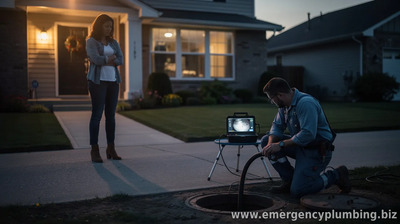
If you suspect tree root intrusion, don’t rely only on chemical drain cleaners or frequent plunging. These approaches may temporarily clear surface clogs but won’t remove roots deep in the line and can sometimes damage older pipes. Instead, a sewer camera inspection can confirm whether roots are present and identify where the blockage occurs.
Professional options commonly include mechanical root removal and—depending on the pipe condition—repairs or relining to prevent roots from re-entering. Early detection can reduce the extent of damage and lower the overall cost of restoration.
If you’re seeing persistent slow drains, gurgling, odors, or repeated backups, consider scheduling an inspection sooner rather than later—your sewer line may need targeted attention before the issue fully blocks.
| |
⏰ Dispatcher support 24/7
📞 224-754-1984CALL ☎ Subscribe 👆 FORUM 🗣
North Shore, Northwest suburbs of Chicago, IL
Next & Previous posts
Related articles: