

4:40 AM Why Your Water Heater Is Making Noise—and When to Worry | |
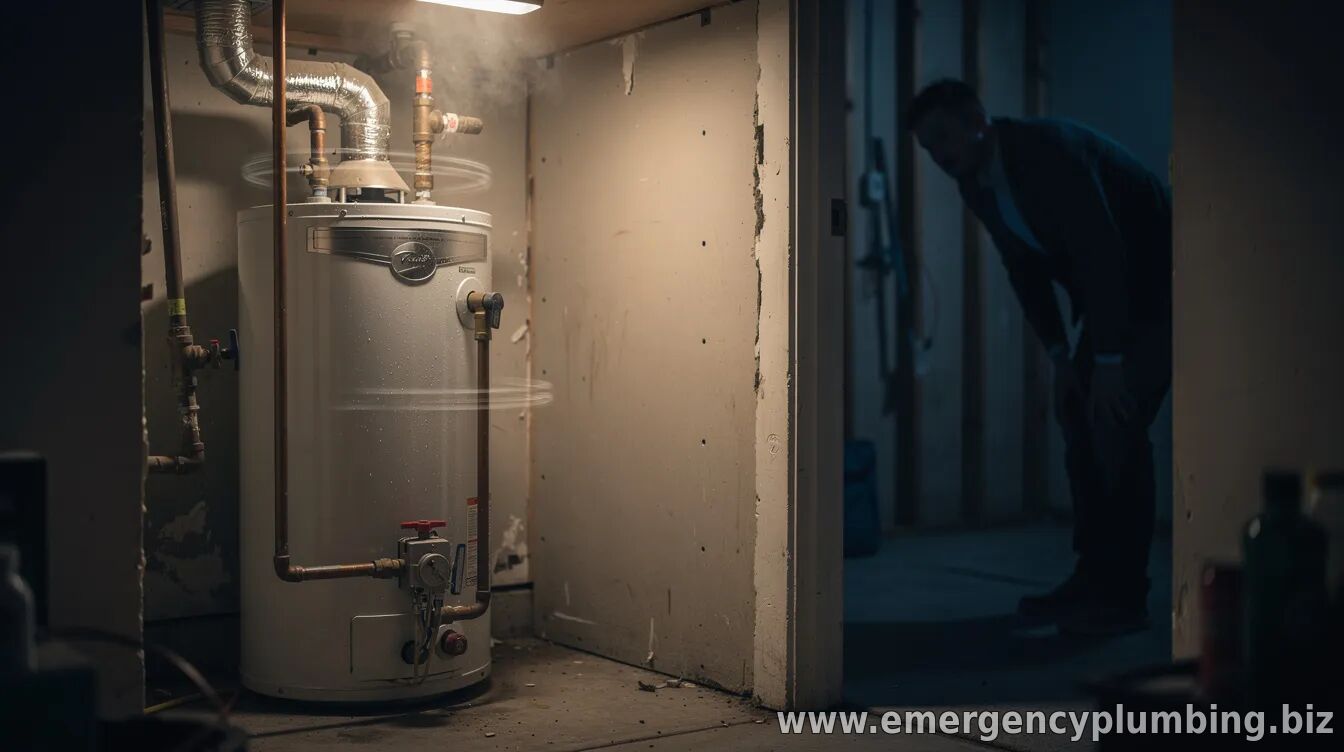
If your water heater has started making noise, it’s natural to wonder whether something is about to fail. Many sounds are caused by common, fixable issues—especially mineral buildup—while a few are red flags that warrant prompt inspection by a licensed plumber.
In most homes, water heaters cycle on and off to maintain temperature. That means occasional low-level sounds can be part of normal operation, particularly during heating and shortly afterward.
Rumbling or vibrating (often tank “bottom” sounds)
A heavy rumble that grows more noticeable over time is frequently caused by sediment collecting at the bottom of the tank. As the burner or heating element warms the water, that sediment can shift and heat unevenly, producing a low, continuous noise.
Popping, crackling, or banging
Popping or crackling is commonly linked to sediment trapped near the heat source. As water heats and steam bubbles form and collapse, the result can be a series of pops. Banging—especially loud, repeated impacts—may indicate larger chunks of scale or metal-to-metal contact inside the unit.
Hissing or sizzling
or sizzling can suggest water escaping—either from a leak at a fitting, at the tank seam, or from the relief valve. It can also occur when hot components are exposed to moisture. Because water on hot surfaces can worsen damage, hissing is more concerning than occasional rumbling.
Whistling or squealing
High-pitched whistling or squealing may be related to gas combustion, airflow through the venting system, or pressure issues. If the sound changes when burners cycle—or is accompanied by odors or improper heating—check sooner rather than later. When you should worry
Some signs mean you shouldn’t wait. Schedule service quickly if you notice any of the following: repeated loud banging or escalating noises that don’t settle, water pooling around the tank or signs of rust/corrosion near seams and connections, persistent hissing (especially near the temperature/pressure relief valve), or inconsistent hot water performance.
Also take action promptly if you smell gas (for gas units), see soot around the burner area, or detect symptoms of combustion/venting problems. These situations can be unsafe and may require immediate professional attention. What to do next
If the noise is new but not accompanied by leaks or safety concerns, start with basic checks you can do safely: confirm the heater is installed and vented correctly (for gas models, ensure the vent is unobstructed), listen during the heating cycle to identify what part of the system is making the sound, and check the area around the tank for moisture.
For sediment-related noises, professional maintenance such as flushing the tank (when appropriate for your model) can reduce rumbling and popping. However, if the noise is severe, recurring, or paired with leaks or poor hot-water output, replacement or deeper repair may be the safer path.
When in doubt, treat loud, worsening noises as a prompt signal. A qualified technician can diagnose whether the cause is normal operating sound, sediment buildup, pressure/valve issues, or a failing component—helping you avoid damage and restore reliable hot water.
| |
⏰ Dispatcher support 24/7
📞 224-754-1984CALL ☎ Subscribe 👆 FORUM 🗣
North Shore, Northwest suburbs of Chicago, IL
Next & Previous posts
Related articles: