

2:06 AM Gas Water Heater Installation and Repair | |
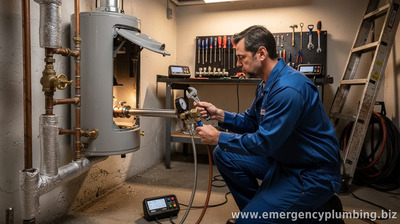
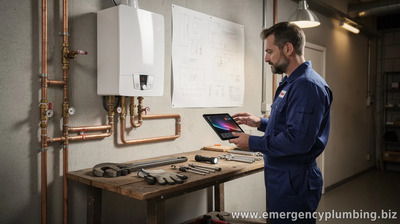
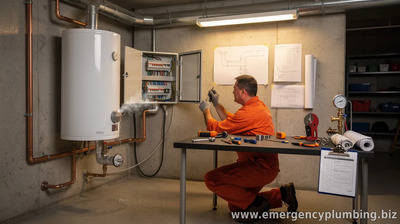
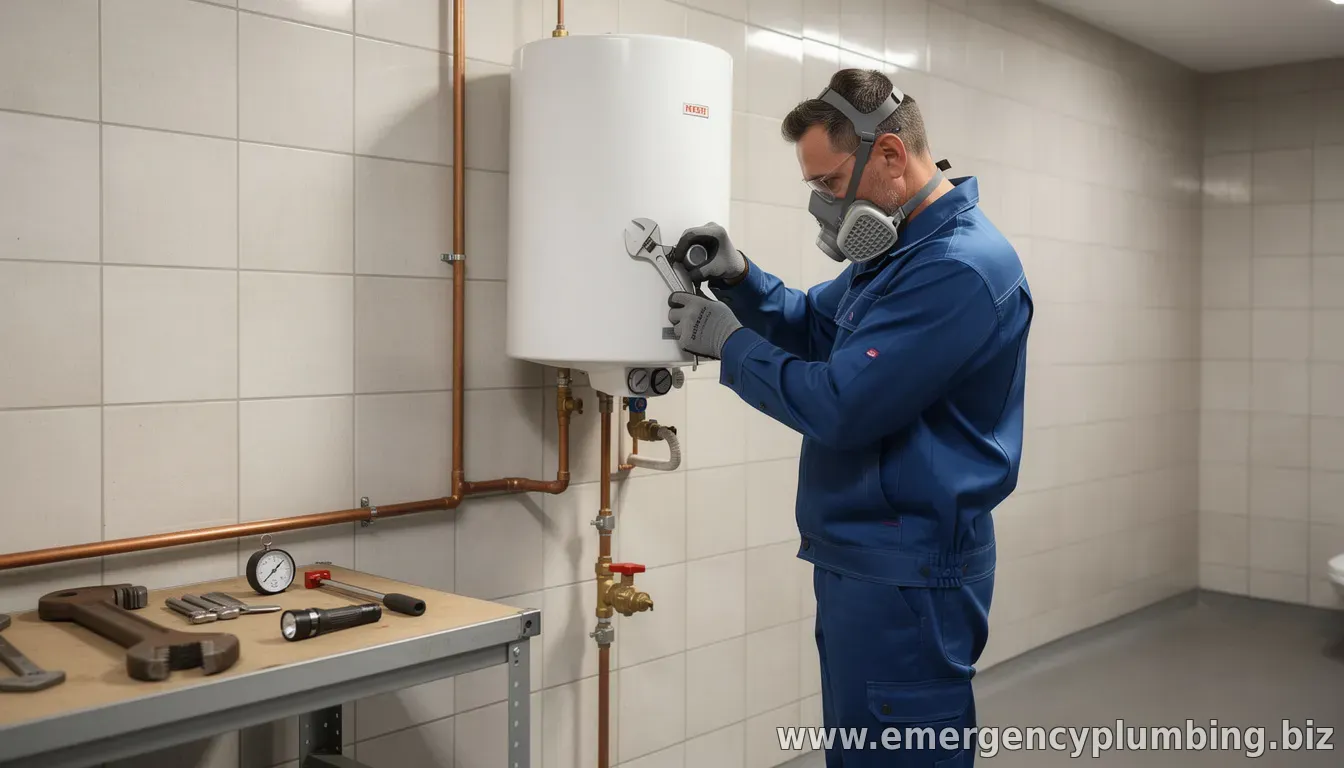 Gas-powered water heaters are a common choice for homes seeking reliable hot water with efficient energy use. Whether you are installing a new unit or repairing an existing one, understanding safety, code requirements, and best practices is essential.
Lead: Safety first and plan ahead — Before any work, shut off the gas supply and the power to the unit if applicable. Confirm proper ventilation and ensure you have the right permits for installation or major repairs. A failed installation can lead to leaks, carbon monoxide risks, or fire hazards.
1) Installation essentials — Choose a unit sized for peak hot-water demand, ensure proper clearance around the water heater, and verify venting compatibility with your chimney or vent system. Gas lines should be sized correctly and tested for leaks after installation. An anti-tip bracket may be required in some locations.
2) Venting and combustion safety are non-negotiable. Proper venting directs combustion products outdoors. Use the manufacturer’s venting kit and follow local codes. Install a functional CO detector in the home and ensure regular checks of the venting system.
3) Gas connections and leak testing — Use approved gas-rated piping and sealants. Do not over-tighten fittings. After connections, perform a gas-leak test with a soapy water solution and address any rising bubbles immediately.
4) Water and pressure considerations — Ensure cold water supply is properly connected and the pressure-relief valve is functional. Install or verify a thermal expansion tank if required by your local code or water pressure.
5) Pilot and ignition systems — For older units with standing pilots, check the pilot light and thermocouple. For newer models with electronic ignitions, follow the manufacturer’s startup sequence and observe for stable flame color and ignition times.
6) Common repair tasks and troubleshooting — Typical issues include no hot water, fluctuating water temperature, or unusual noises. Checklist: flame color (blue is normal, orange indicates incomplete combustion), water temperature settings, sediment buildup, and diffuser or burner cleanliness. If problems persist, consult a licensed technician.
7) Maintenance and longevity — Schedule annual inspections, flush the tank to reduce sediment buildup, and replace the sacrificial anode as recommended by the manufacturer. Regular maintenance improves efficiency and extends the unit’s life. Next steps — If you’re uncertain about any step, especially gas connections or venting, hire a licensed professional. Proper installation and upkeep reduce the risk of gas leaks, carbon monoxide exposure, and water damage. | |
⏰ Dispatcher support 24/7
📞 224-754-1984CALL ☎ Subscribe 👆 FORUM 🗣
North Shore, Northwest suburbs of Chicago, IL
Next & Previous posts
Related articles: