

1:24 AM How to achieve the right pitch for your shower drain | |
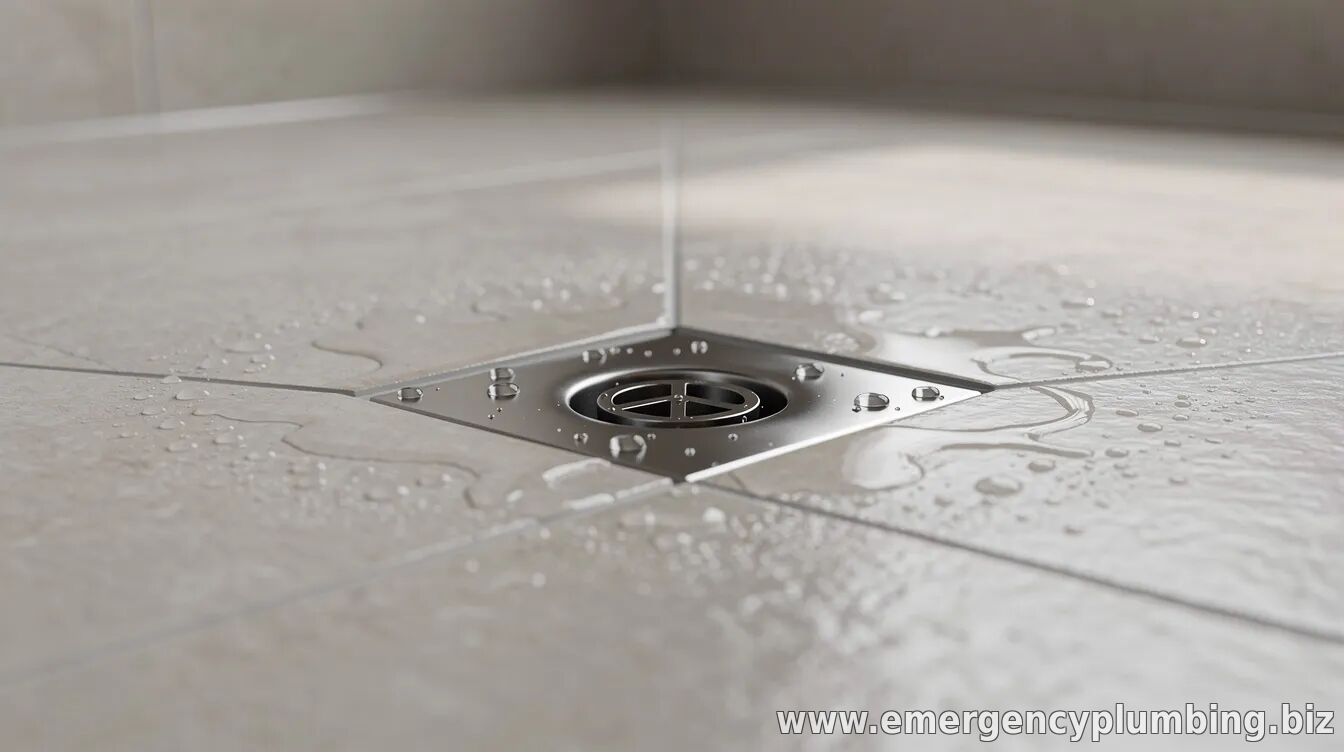
When planning or reworking a shower, one of the most critical details is the drain slope. A proper pitch directs water toward the drain efficiently, reducing standing water, mold risk, and maintenance headaches. The commonly recommended slope for a residential shower floor is about 1/4 inch of fall per foot (2% gradient). This means that over a 48-inch (4-foot) shower, you’d want roughly 1 inch of total drop from the far edge to the drain.
Why the slope matters goes beyond quick drainage. An inadequate pitch can lead to slow draining, water pooling at one end, and an uneven floor that feels uncomfortable underfoot. Conversely, too steep a slope can create an uncomfortable, fast-water edge and potential cracking if the subfloor isn’t prepared properly. Builders often balance the slope with waterproofing layers, curb height, and tile thickness to achieve a uniform, safe surface.
Key steps to achieving the correct pitch during installation or renovation:
Common mistakes to avoid include starting with an incorrect base height, not accounting for substrate movement, and skipping a final water test. If you’re retrofitting a shower, you may need to remove old tiles to address underlying substrate issues and ensure the subfloor remains solid and level along the planned slope.
For DIYers, small adjustments can be made with floor patches or adjustable drains, but major slope changes usually require professional help, especially to maintain proper waterproofing and code compliance. If you’re unsure about the slope or waterproofing details, consult a licensed plumber or contractor to prevent future water damage.
| |
⏰ Dispatcher support 24/7
📞 224-754-1984CALL ☎ Subscribe 👆 FORUM 🗣
North Shore, Northwest suburbs of Chicago, IL
Next & Previous posts
Related articles: