

4:22 AM How to Choose a Heat Pump Water Heater: A Practical Guide | |
Heat pump water heaters (HPWHs) are among the most efficient ways to heat water in a home. Instead of generating heat directly, they transfer heat from the surrounding air to the water, using electricity more efficiently than traditional electric resistance models. For homeowners looking to cut energy bills and reduce greenhouse gas emissions, HPWHs can be a compelling option.
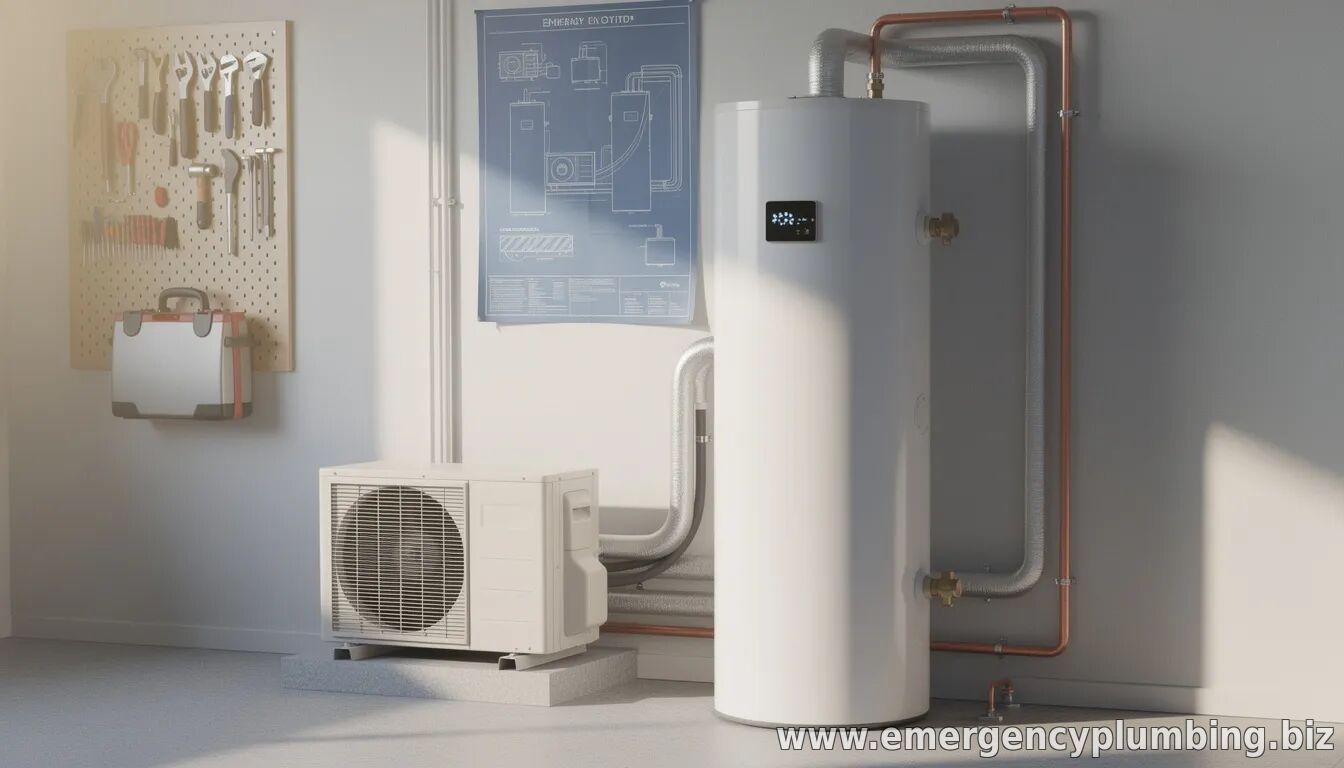
How they work is simple in principle but important to understand for selecting the right model. An HPWH uses a refrigerant cycle to extract heat from the ambient air, then concentrates it into the water heater tank. The process is most efficient in moderate climates and in spaces with adequate air circulation. In very cold areas, performance can drop unless the unit is properly sized and insulated.
Key considerations when choosing an HPWH include climate, space, and household hot-water needs. An efficient HPWH can dramatically reduce electricity use, but the upfront cost is higher than standard electric storage tanks. Homeowners should weigh the long-term energy savings against the purchase price, availability of tax credits or rebates, and the cost of installation.
Size and recovery rate matter. Typical households will need a 40–65 gallon unit, with larger families opting for 75 gallons or more. The right size depends on peak hot-water demand, such as showers, dishwashing, and laundry. An installer or energy advisor can help calculate needed capacity based on daily usage patterns.
Placement and installation affect performance and longevity. HPWHs should have sufficient clearance for airflow and access for maintenance. They require proper electrical service, grounding, and in some cases venting or condensate drainage. If your space is tight or above- or below-grade, choose a model designed for narrow footprints or closet installation and confirm local code compliance.
Maintenance is typically straightforward: keep the area around the unit clear, check for unusual noises or leaks, and inspect the anode rod and refrigerant lines as recommended by the manufacturer. Be mindful of potential noise in living spaces directly adjacent to the equipment and consider vibration isolation if needed. When evaluating models, look for Energy Star certification, warranty length, and the presence of smart controls or compatibility with home energy systems.
To help with your decision, here are quick tips:
Choosing the right HPWH involves balancing efficiency, cost, and practical installation considerations. Consulting with a licensed installer can help you select a model sized for your family and climate, while also ensuring proper ventilation, wiring, and code compliance. With the right choice, an HPWH can deliver reliable hot water with lower running costs for years to come.
| |
⏰ Dispatcher support 24/7
📞 224-754-1984CALL ☎ Subscribe 👆 FORUM 🗣
North Shore, Northwest suburbs of Chicago, IL
Next & Previous posts
Related articles: