

0:36 AM What Is a P-Trap and Why Every Drain Needs One | |
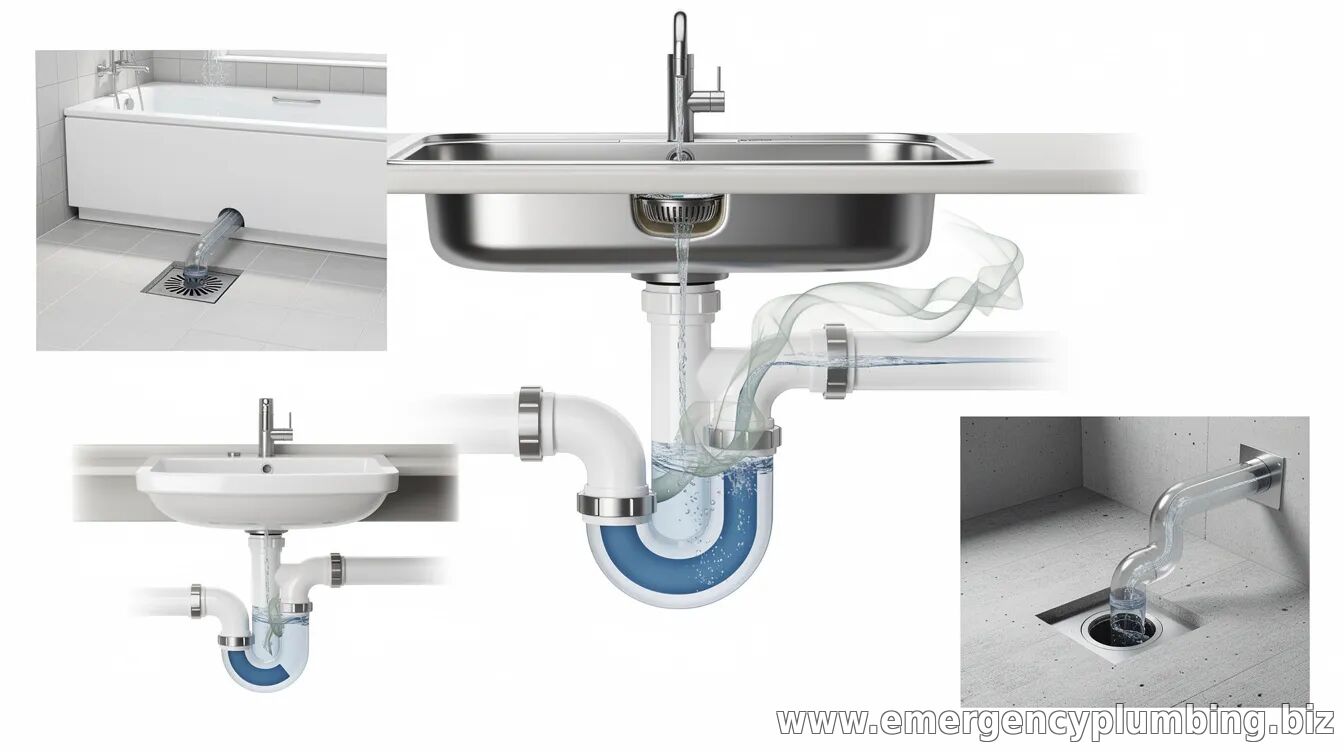
A P-trap is one of the most common fixtures in household plumbing: the recognizable curved section of a drain line shaped like the letter “P” (or sometimes “S,” depending on the setup). Its job is simple but essential—it uses a water seal to stop sewer gases and odors from coming up through your drains.
Because many drains connect to the same sewer system, gases can travel back toward living spaces. Without a barrier, odors and potentially harmful gases could move through plumbing openings every time water flows or when pressure changes occur. How a P-trap works
Inside the P-trap, a small amount of water remains in the lowest part of the curve. That standing water acts like a plug. When you run water, it flows through the trap and continues onward, but the trap keeps enough water behind to maintain the seal afterward.
This seal helps with more than just smell. By preventing backflow of gases, it also reduces the likelihood of unpleasant odors lingering around sinks, tubs, and floor drains. Why “every drain” should have one
In most conventional sink, tub, and vanity installations, a P-trap is required because it’s the most reliable, low-cost method to block sewer gas at the source. If a trap is missing—or if the water seal is broken—odors are often the first sign.
Common situations where P-trap problems show up include drains that aren’t used frequently. When water evaporates from the trap, the seal can fail, allowing gases to rise again. Similarly, improper installation or a poorly aligned drain line can prevent the trap from maintaining its water level. What can go wrong
Several issues can undermine a P-trap’s performance. A blockage upstream can cause water to back up and alter how the trap drains. Leaks at the fittings can dry out the seal over time. And if a trap is installed with the wrong angle or without proper venting, the system may not behave as intended, leading to siphoning or reduced water retention.
In practice, if you notice persistent bad odors, gurgling sounds, or water that drains slowly in combination with smell, the P-trap (and surrounding connections) is a good place to start troubleshooting. Maintenance tips for homeowners
To keep a P-trap functioning properly, periodic checks matter. Make sure the trap remains sealed with water—especially for rarely used sinks or seasonal properties. If you suspect a dry trap, running water for a short time can restore the seal. For clogs, avoid aggressive chemical approaches when possible; physical cleaning or targeted plumbing methods often reduce the risk of damaging seals or fittings.
Ultimately, a P-trap is a small component with outsized impact: it protects your home from sewer gas, helps maintain fresher indoor air, and forms part of the basic “safety net” of everyday drainage systems.
| |
⏰ Dispatcher support 24/7
📞 224-754-1984CALL ☎ Subscribe 👆 FORUM 🗣
North Shore, Northwest suburbs of Chicago, IL
Next & Previous posts
Related articles: