

3:37 AM How to Extend Your Water Heater Lifespan | |
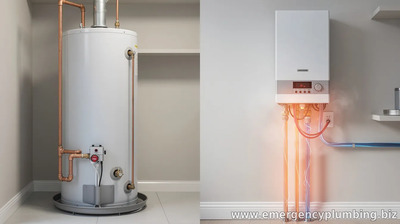
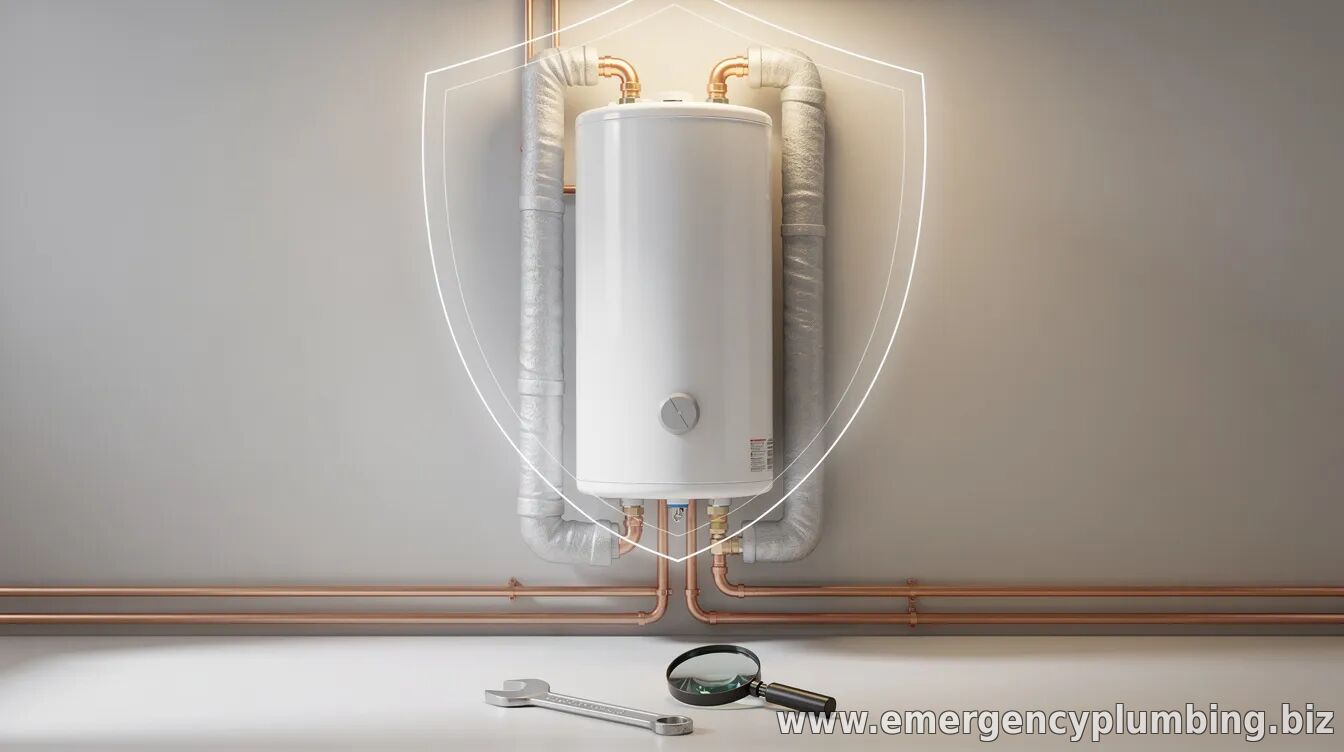
A typical tank water heater lasts about 8–12 years, but proactive care can push that timeline further. The goal is to minimize sediment buildup, reduce corrosion, and prevent unnecessary strain on the tank and heating system. Flush the tank regularly
Over time, minerals settle to the bottom of the tank and form scale. This reduces heating efficiency and can cause overheating. If you have a standard tank, flush it periodically—often every 6–12 months—especially if you have hard water. A simple drain-and-rinse approach helps remove sediment before it thickens. Check and maintain the anode rod
The anode rod is designed to attract corrosion so the tank doesn’t take the hit. If the rod is heavily depleted, the tank can begin rusting from the inside. Inspect it annually (or when your heater is older) and replace it when necessary, following the manufacturer’s guidance. Set the thermostat wisely
Running the thermostat too hot increases wear and can accelerate scale and corrosion. Many homes can use a setting around 120°F for a balance of comfort and safety. If you have specific household needs (for example, higher hot-water demand), adjust carefully rather than defaulting to the highest setting. Improve insulation and keep heat where it belongs
Lower heat loss helps the heater cycle less often. For tank units, insulating the tank (if allowed by the manufacturer) and adding insulation to exposed hot-water pipes can improve efficiency. Be careful not to block vents or interfere with safety components. Watch for leaks, pressure issues, and unusual noises
Small leaks at fittings or from the bottom can signal seal failure or internal corrosion. Popping, rumbling, or persistent hissing noises often point to sediment heating on the tank floor. Also confirm your system’s pressure is in a safe range and that the temperature/pressure (T&P) relief valve is functioning properly per local code and manufacturer instructions.
When to call a professional is important. If you notice persistent leaks, strong rust staining, repeated relief valve discharge, or a water heater that won’t heat consistently, a qualified technician can diagnose issues early—often before they lead to tank failure.
By flushing sediment, monitoring the anode rod, using a reasonable temperature, insulating where appropriate, and responding quickly to warning signs, you can reduce stress on the heater and extend its useful life. For best results, follow the specific maintenance schedule in your owner’s manual and consider your local water quality.
| |
⏰ Dispatcher support 24/7
📞 224-754-1984CALL ☎ Subscribe 👆 FORUM 🗣
North Shore, Northwest suburbs of Chicago, IL
Next & Previous posts
Related articles: